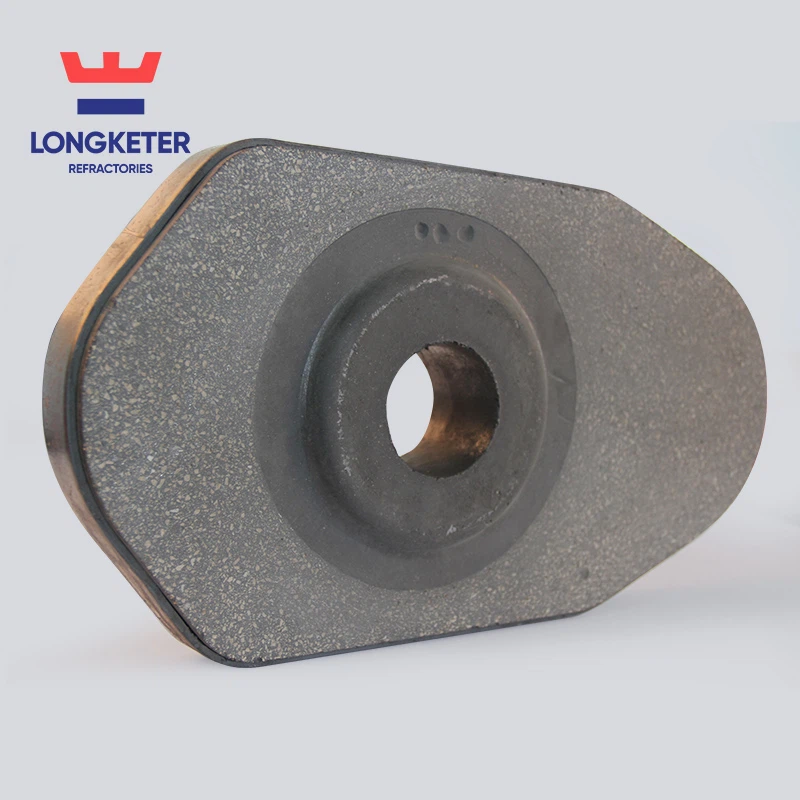
In continuous steel casting, replacing the tundish nozzle and lower sliding gate after just one or two heats isn't just routine-it's a battle against extreme heat, corrosion, and vibration. For plant operators, every unplanned changeover eats into productivity. But what if the refractory itself could buy you more heats, less downtime, and stable quality? This article dives into how advanced tundish nozzle refractory solutions-like those from LONGKETER-are rewriting the rules on corrosion resistance, thermal shock stability, and customizable fit for modern steel mills.
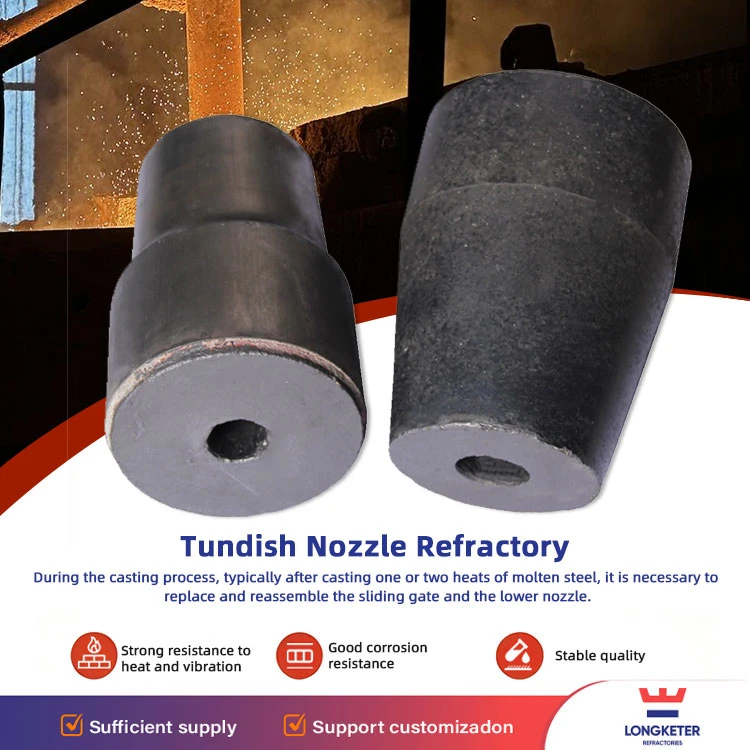
Understanding the Role of Tundish Nozzle in Continuous Casting
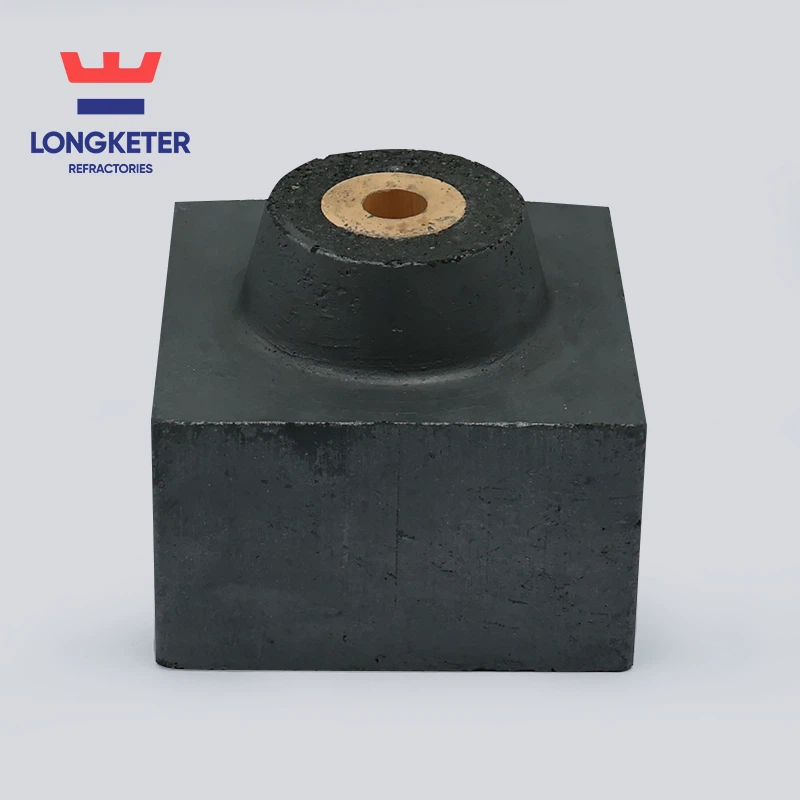
The tundish nozzle sits at a critical junction: it channels molten steel from the tundish into the mold. But here's the catch-the environment is brutal. Liquid steel races through at 1500°C+, while slag, oxides, and rapid thermal cycling attack the refractory from every direction. A standard nozzle might survive one heat, maybe two, before cracks or erosion force a replacement.
That's why casting floors treat tundish nozzle refractory as a consumable they can't afford to get wrong. Poor quality leads to uneven flow, reoxidation, even breakouts. The industry's unspoken rule? If your nozzle doesn't resist both heat and chemical attack, you're losing money every minute.
Why Frequent Replacement of Sliding Gate and Lower Nozzle?
Ask any veteran operator: "After casting one or two heats, we must swap out the sliding gate and the lower nozzle." Why so often? Because the refractory undergoes three killers simultaneously:
Thermal shock – Each heat cycle brings rapid heating and cooling. Micro-cracks appear, then propagate.
Corrosion – Molten steel and aggressive slag eat into alumina-carbon or zirconia-based materials.
Abrasion – The sliding gate mechanism scrapes against the nozzle's mating surface.
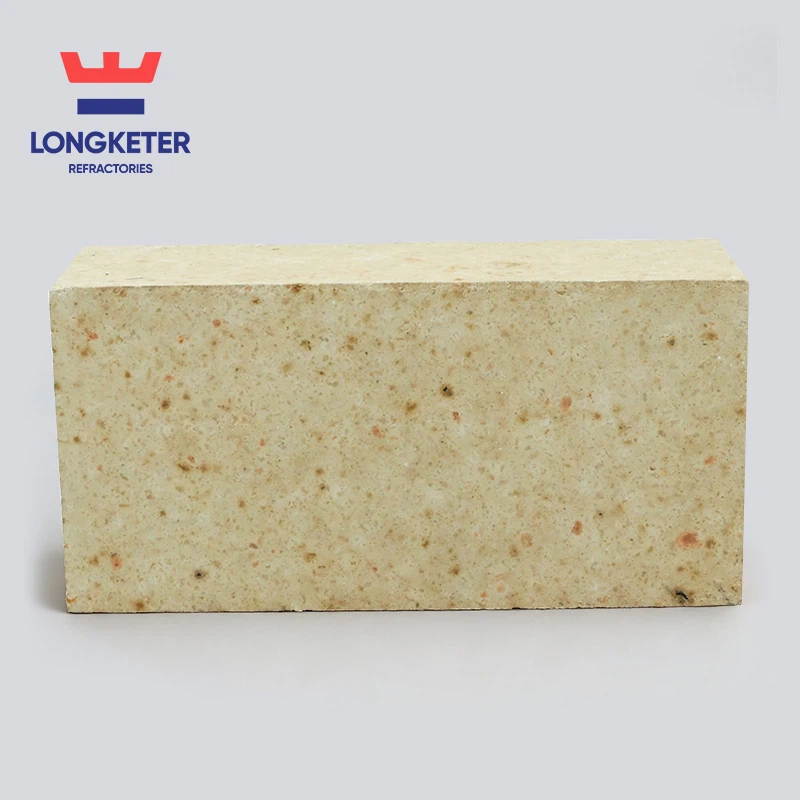
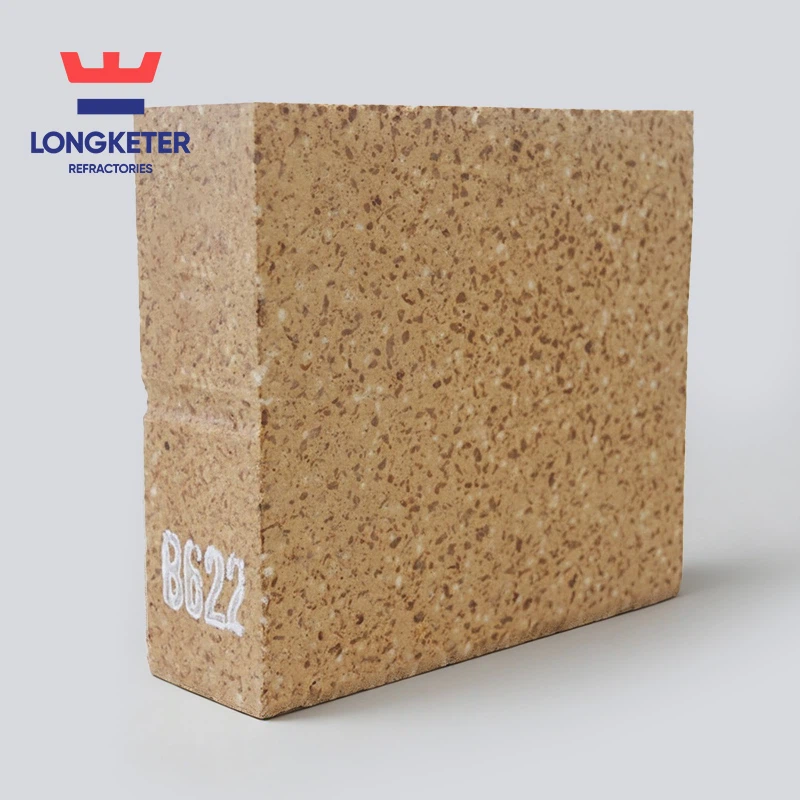
When any of these fails, you risk steel leakage or strand stoppage. But here's the missing piece: not all refractories degrade at the same rate. Some formulations-like LONGKETER's enhanced low-cement castables and isostatic pressing designs-dramatically slow the damage curve.
Strong Resistance to Heat and Vibration
Imagine a nozzle that doesn't flinch when liquid steel surges through. That's what heat resistance really means: no spalling, no cracking, no sudden failure. LONGKETER achieves this through optimized grain size distribution and advanced binder systems. Vibration is another hidden enemy. During casting, entire tundish car shakes; a brittle nozzle cracks. But a tough, vibration-absorbing refractory keeps its seal.
One Chinese EAF shop reported cutting changeover frequency by 30% after switching to LONGKETER's tundish lower nozzle-simply because thermal cycling didn't crack the bore after two heats. "We used to see hairline cracks by heat two," says the maintenance lead. "Now we go three heats reliably."
Good Corrosion Resistance for Molten Steel Contact
Corrosion isn't just about chemistry-it's about time. When manganese, silicon, or low-sulphur steel grades attack, a generic nozzle erodes unevenly, changing bore diameter and flow rate. That wrecks mold level control.
LONGKETER incorporates high-purity fused zirconia and graphite in critical wear zones. The result: a corrosion resistant tundish refractory that maintains its internal geometry heat after heat. Steelmakers casting pipeline grades or automotive sheets particularly benefit because consistent flow equals fewer surface defects.
"We tested three suppliers. LONGKETER's lower nozzle survived five heats on a high-Mn grade where others failed by heat three. The corrosion resistance is just different." – Senior process engineer, Jiangsu steel mill.
LONGKETER's Edge: Stable Quality and Customization
Big words, but what does stable quality actually mean on the casting floor? It means every nozzle in the pallet performs identically. No surprises. No "Monday morning" vs "Friday afternoon" batches. LONGKETER runs SPC on every production line-from raw material milling to final firing. They also offer custom tundish lower nozzle geometries: different bore shapes, extended lengths, or specialized slide gate interfaces.
Customization matters because no two casters are identical. Ladle turret height, tundish design, even the steel grade mix-all affect optimal nozzle geometry. LONGKETER's engineering team works with your plant data to propose a custom tundish refractory sliding gate assembly that reduces wear hotspots. And yes, they support small batch custom runs, not just mass orders.
Sufficient Supply – A Hidden Reliability Factor
Ever been stuck waiting for refractory delivery while steel demand is high? LONGKETER maintains multi-warehouse stocks across major steel regions: Shandong, Hebei, and an export hub in Tianjin. Their "sufficient supply" promise isn't marketing-it's a logistics guarantee. For a plant running 24/7, knowing you can get a replacement nozzle within hours is peace of mind.
Practical Tips for Extending Tundish Nozzle Service Life
Let's get hands-on. Even the best tundish nozzle refractory performs poorly if installed or handled wrong. Here are three field-tested tips:
Preheat gradually – Ramp temperature at ≤150°C/hour. Shocking a cold nozzle with liquid steel invites cracks.
Check slide gate alignment – Misalignment by just 1 mm creates uneven erosion. Use feeler gauges during assembly.
Track corrosion patterns – Does the nozzle wear more on one side? That's a clue about tundish swirl. Adjust your shroud or stopper rod position.
And when you do replace that steel casting tundish nozzle replacement, always inspect the old one. Photograph the bore and entry area. That data helps LONGKETER tweak the formula for your next batch.
Real-World Results: Longer Heats, Less Downtime
Take a case from a Turkish long-products mill. They were replacing tundish nozzles every 2 heats on 150-ton ladles. Slag corrosion was the main culprit. After switching to LONGKETER's zirconia-enhanced corrosion resistant tundish refractory, they pushed to 4 heats per nozzle-and occasionally 5 heats on low-oxygen grades. Annual savings? Over $120,000 in refractory costs plus 18 fewer hours of changeover downtime.
That's the math that matters: a higher upfront price per nozzle gets wiped out by longer campaigns and fewer casting interruptions.
Conclusion: Don't Let Nozzle Failure Steal Your Yield
The sliding gate and lower nozzle aren't just consumables-they're process control instruments. When your tundish nozzle refractory fails prematurely, you pay in lost time, scrap steel, and frustrated crews. LONGKETER REFRACTORIES combines robust heat/vibration resistance, superior corrosion protection, and true customization to help you cast more heats with fewer surprises.
Ready to test a batch? Their team provides free wear analysis and sample nozzles for qualifying mills. Stop settling for "one or two heats." Ask for three-or more.