How Advanced Insulating Refractory Materials Help Reduce Heat Loss and Improve Furnace Efficiency
As energy costs continue to influence operating decisions across the steel, ceramics, cement, and glass industries, manufacturers are paying closer attention to the thermal efficiency of industrial furnaces. The quality of the lining system has a direct impact on heat retention, fuel consumption, and overall operating costs. Thermal insulation bricks have therefore become an important component in the design of energy-efficient kilns and high-temperature industrial equipment.
Designed primarily to reduce heat transfer through furnace walls, roofs, and other insulated sections, these lightweight refractory products offer lower thermal conductivity than conventional dense firebricks. When properly selected and installed as part of a multilayer refractory lining, they help retain heat inside the furnace, reduce external surface temperatures, and support more stable operating conditions.
For industrial operators, choosing the right insulation material is not simply a matter of selecting a lightweight brick. Working temperature, thermal conductivity, mechanical loading, atmosphere, and installation position must all be considered.

What Are Thermal Insulation Bricks?
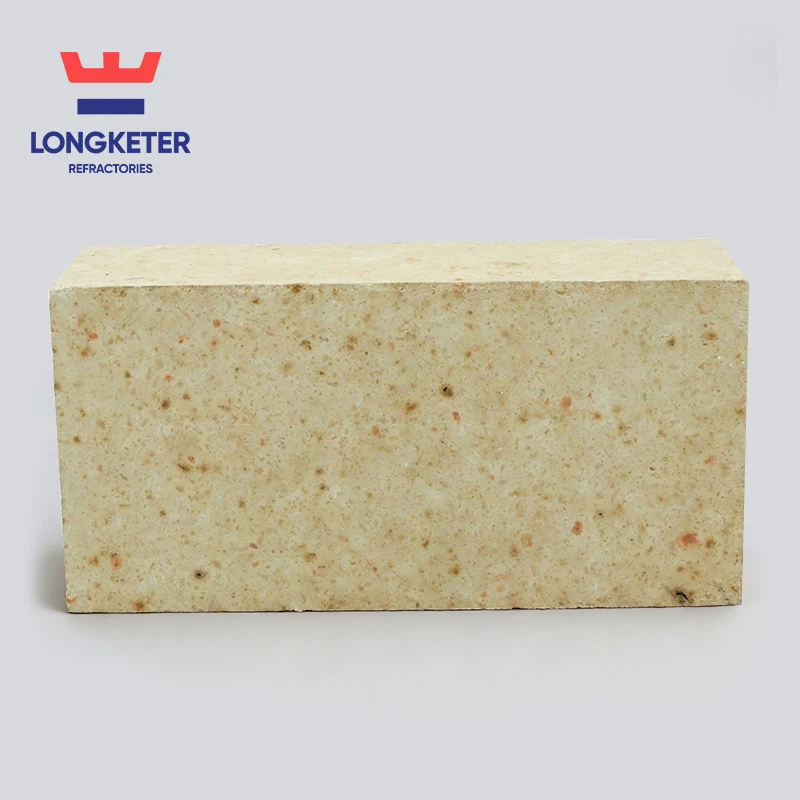
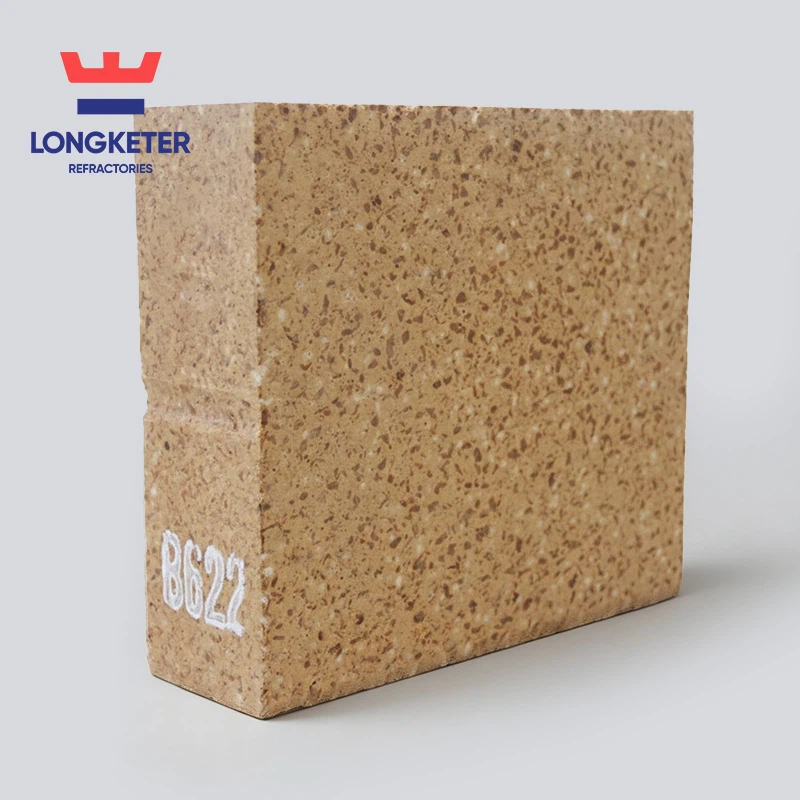
Thermal insulation bricks are lightweight refractory products developed to limit heat transfer in industrial heating equipment. Their internal structure generally contains a controlled pore distribution, which reduces the amount of solid material available to conduct heat.
Compared with dense refractory bricks, insulating bricks typically have lower bulk density and lower thermal conductivity. This makes them suitable for applications where heat conservation is more important than direct resistance to heavy mechanical loads or aggressive furnace contact.
Common material systems include insulating fireclay bricks, lightweight high-alumina bricks, and mullite insulation bricks. Each type has different chemical compositions, temperature capabilities, and thermal properties.
Their selection depends on the intended operating environment.
For example, an insulating brick used in a ceramic kiln backup lining may have different requirements from one installed in a high-temperature furnace roof or a heat-treatment furnace wall.
How the Porous Structure Improves Thermal Insulation
The insulating performance of these bricks comes largely from their internal pore structure.
Air trapped within small pores has relatively low thermal conductivity. By introducing a suitable pore structure into the refractory body, manufacturers can reduce heat transfer through the material.
However, insulation performance is influenced by more than porosity alone. Pore size, pore distribution, bulk density, raw material composition, and operating temperature all contribute to the final thermal characteristics.
There is also a practical balance to maintain. Increasing porosity can improve insulation, but excessive porosity may reduce mechanical strength and resistance to handling damage.
A well-designed insulation brick must therefore achieve an appropriate balance between low thermal conductivity, structural integrity, and temperature resistance.
Key Advantages of Insulating Refractory Bricks
Industrial furnaces operate for long periods under demanding thermal conditions. Even small improvements in heat retention can make a meaningful difference to overall energy management.
1. Low Thermal Conductivity and Reduced Heat Loss
The primary purpose of thermal insulation bricks is to reduce heat transfer from the hot interior of a furnace to its external structure.
When installed in the appropriate lining position, these bricks act as an insulating barrier between the hot-face refractory and the furnace shell.
This can help reduce heat escaping through furnace walls and roofs, allowing more energy to remain within the heating chamber.
For plants operating continuously or running multiple heating cycles every day, reducing unnecessary heat loss can contribute to improved fuel efficiency.
Actual energy savings depend on the complete furnace design, insulation thickness, operating temperature, installation quality, and production conditions.
2. Lightweight Construction
Another important characteristic is their relatively low bulk density.
Compared with conventional dense refractory materials, lightweight insulation bricks can reduce the overall weight of furnace linings.
This is particularly useful in applications where structural loading needs to be controlled, such as furnace roofs, elevated heating chambers, and equipment with specific load limitations.
Lower lining weight may also simplify certain installation procedures and reduce the structural demands placed on supporting components.
3. Improved Furnace Temperature Stability
Temperature consistency is essential in many industrial processes.
In ceramic production, for example, uneven temperature distribution can affect product quality and firing results. In heat-treatment applications, maintaining a controlled temperature environment is equally important.
A properly designed insulating lining helps limit heat loss through the furnace structure. This supports more stable thermal conditions and can improve the efficiency of temperature control systems.
It is worth noting that insulation bricks are only one part of the solution. Burner arrangement, airflow, furnace geometry, and temperature control equipment also influence temperature uniformity.
4. Reduced External Surface Temperature
Heat escaping through furnace walls can increase the temperature of external surfaces, creating additional heat exposure around industrial equipment.
An effective insulation layer helps reduce this heat transfer.
Depending on the lining design and insulation thickness, this may improve working conditions around the furnace and reduce unnecessary heat accumulation in surrounding areas.
For industrial facilities, this can be an important consideration when evaluating workplace conditions and equipment efficiency.
Common Types of Thermal Insulation Bricks
Different industrial applications require different insulation materials. Choosing a suitable product requires understanding the relationship between chemical composition, operating temperature, thermal conductivity, and mechanical performance.
Insulating Fireclay Bricks
Insulating fireclay bricks are commonly used in industrial kilns and furnaces where moderate-to-high temperature insulation is required.
They are generally produced using selected refractory clays and lightweight aggregates. Their relatively low density and practical thermal properties make them suitable for various backup lining applications.
Typical uses include:
·Ceramic kilns
·Heat-treatment furnaces
·Industrial heating chambers
·Furnace backup insulation
·General-purpose kiln walls
They are often considered when insulation performance and economical material selection need to be balanced.
High-Alumina Insulation Bricks
High-alumina insulation bricks are designed for applications requiring a higher alumina content and suitable high-temperature performance.
Their composition can provide different temperature capabilities and chemical characteristics depending on the specific grade.
These products may be considered for furnace sections operating at higher temperatures, provided that the selected grade meets the required service conditions.
Typical applications include industrial furnaces, high-temperature kiln insulation, and selected thermal processing equipment.
Mullite Insulation Bricks
Mullite insulation bricks are used in applications where high-temperature stability and thermal insulation are both important.
Mullite-based refractory materials are valued for their thermal stability and suitability for demanding heating environments.
Depending on their composition and manufacturing process, mullite insulation bricks can offer a combination of low thermal conductivity, lightweight construction, and high-temperature performance.
They are commonly considered for:
·High-temperature industrial kilns
·Ceramic firing furnaces
·Heat-treatment equipment
·Furnace roofs and walls
·Specialized thermal processing systems
The appropriate grade should be selected according to its rated classification temperature and actual continuous operating conditions.
Where Are Thermal Insulation Bricks Used?
Insulating refractory materials are used across several industries because different heating processes share one common requirement: controlling heat loss.
Ceramic and Porcelain Kilns
Ceramic manufacturing requires controlled heating and cooling cycles to achieve the desired product characteristics.
Insulation bricks are often installed in kiln walls and roofs to reduce heat transfer and support efficient temperature management.
For tunnel kilns and shuttle kilns, the insulation system must also withstand repeated thermal cycling and maintain its performance over extended operating periods.
Steel and Metallurgical Furnaces
Steelmaking and metallurgical operations involve demanding thermal environments, where furnace efficiency and temperature control are important operational considerations.
Insulating bricks may be used in selected furnace wall, roof, and backup lining sections.
However, they should not automatically be used in direct contact with molten metal, aggressive slag, or intense flame zones. Dense working linings or other specialized refractory materials are normally required in these locations.
The final lining arrangement must reflect the actual furnace process.
Cement and Lime Kilns
Cement and lime production require sustained high-temperature operation.
Insulation materials can help reduce heat loss through suitable kiln and auxiliary equipment sections, depending on the mechanical and chemical conditions in each area.
The selection process should consider thermal cycling, dust abrasion, temperature fluctuations, and the structural requirements of the lining.
Industrial Heat-Treatment Furnaces
Heat-treatment processes rely on controlled temperature conditions to achieve specific material properties.
Insulation bricks installed in furnace walls and roofs help reduce heat loss and support efficient operation.
They may also contribute to shorter heat-up periods in appropriately designed systems, although actual performance depends on furnace size, heating capacity, lining thickness, and thermal mass.
How to Select the Right Thermal Insulation Brick
Selecting an insulation brick based only on its maximum temperature rating can lead to problems during actual operation.
A material may withstand a specified temperature under laboratory conditions but still be unsuitable for a particular furnace section because of mechanical stress, chemical exposure, or installation requirements.
Industrial buyers should evaluate several technical factors before placing an order.
1. Maximum Service Temperature
Confirm the classification temperature and recommended continuous operating temperature.
These values should not be treated as interchangeable. The actual working temperature of the lining, including local hot spots and operating fluctuations, must be considered.
A suitable safety margin should be incorporated into the material selection process.
2. Thermal Conductivity
Thermal conductivity is one of the most important indicators of insulation performance.
Lower values generally indicate better resistance to heat transfer under comparable test conditions.
When comparing products, buyers should check the test temperature and measurement method. Thermal conductivity changes with temperature, so figures measured under different conditions cannot always be compared directly.
3. Bulk Density and Compressive Strength
Bulk density affects both insulation performance and the total weight of the lining.
Compressive strength is equally important, particularly where bricks need to support additional lining materials or withstand installation loads.
The correct balance depends on the intended position within the furnace structure.
4. Chemical Composition and Operating Atmosphere
Different furnace environments may expose refractory materials to alkaline substances, acidic compounds, dust, gases, or other chemical agents.
The selected insulation brick should be compatible with these conditions.
Where chemical exposure is significant, additional protection or a different lining arrangement may be necessary.
5. Dimensions and Customization
Industrial furnace projects often involve specific brick dimensions, curved structures, and non-standard installation requirements.
Customized insulation bricks can help improve lining fit, reduce cutting during installation, and simplify construction around complex furnace geometries.
Before production, buyers should provide detailed drawings, required dimensions, material specifications, and intended operating conditions.
Why Proper Installation Matters
Even high-quality insulation bricks cannot deliver their expected performance if the lining is poorly installed.
Gaps between bricks, damaged edges, unsuitable mortar, and incorrectly arranged joints can create pathways for heat transfer.
During installation, several practical points deserve attention:
Check brick dimensions and condition before construction.
·Use compatible refractory mortar where required.
·Keep joints consistent and avoid unnecessary open gaps.
·Follow the specified brick arrangement and lining drawings.
·Protect lightweight bricks from excessive mechanical impact.
·Ensure the insulation layer is properly supported.
·Avoid exposing insulation grades to conditions beyond their design limits.
·One important consideration is the position of the insulation layer.
In many furnace designs, insulation bricks are installed behind a dense refractory working lining rather than directly facing the flame. The hot-face layer provides resistance to abrasion, slag, and direct thermal exposure, while the insulation layer reduces heat transfer toward the furnace shell.
This combination can offer a practical balance between durability and energy efficiency.
Customized Insulation Solutions for Industrial Furnaces
No two furnace projects are exactly alike. Differences in chamber dimensions, operating temperatures, heating cycles, and installation structures can influence the choice of insulation material.
For this reason, industrial buyers often require more than standard-size products.
A capable insulation brick manufacturer should be able to provide different material grades, dimensions, and product configurations according to project requirements.
Before confirming a purchase, buyers should request technical information covering:
·Chemical composition
·Classification temperature
·Bulk density
·Thermal conductivity at specified temperatures
·Compressive strength
·Available dimensions and tolerances
·Recommended application conditions
These specifications help engineers compare products and determine whether a particular grade is suitable for the intended furnace design.
Long-term performance also depends on proper storage, transportation, installation, and operating practices. Lightweight refractory products should be handled carefully to prevent damage before they are installed.
Improving Energy Efficiency Through Better Insulation
Industrial energy management is no longer limited to burner upgrades or changes in fuel supply. The refractory lining itself deserves attention.
Heat loss through furnace walls and roofs represents energy that does not contribute directly to the production process. Improving the insulation system can help address this problem while supporting more consistent operating conditions.
Thermal insulation bricks provide a practical option for industrial facilities seeking to reduce heat transfer without unnecessarily increasing the weight of their furnace structures.
By matching the material grade, thermal properties, dimensions, and installation position to actual operating conditions, manufacturers can build more efficient and reliable furnace lining systems.
Longketer offers refractory insulation solutions for industrial kilns and high-temperature furnace applications, with product selection and customization based on project requirements.
For steel plants, ceramic manufacturers, cement producers, and other industrial users, the right insulation material is an important investment in long-term furnace efficiency and operational reliability.