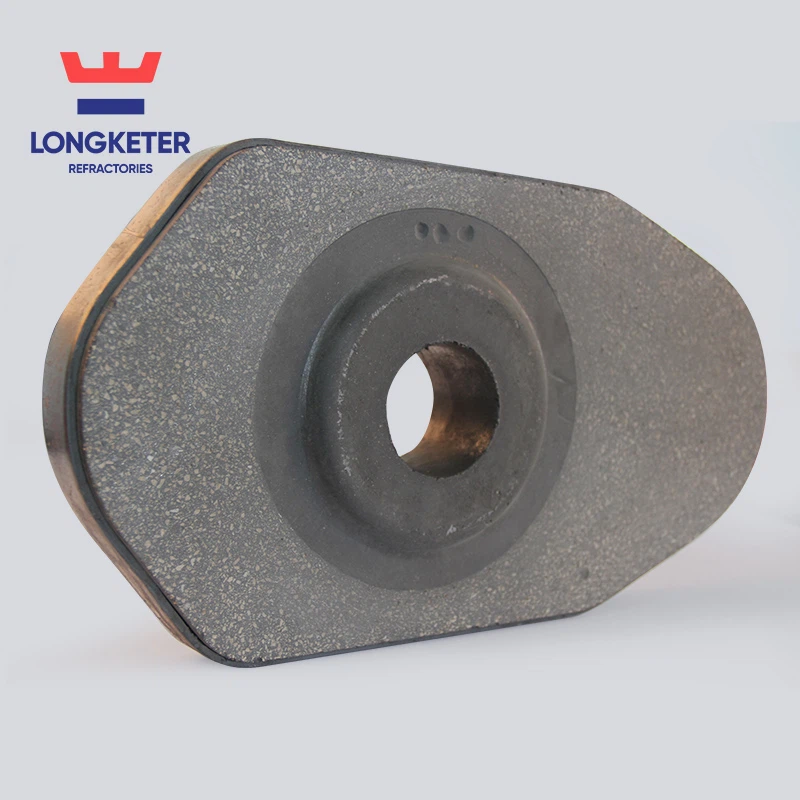
Longketer Refractories Expands Supply of Premium Tabular Alumina Ball Solutions for High-Temperature Industries
[Company News – September 2026]
With increasing demand for durable and energy-efficient refractory materials in steelmaking, metallurgy, and high-temperature industrial processes, Longketer Refractories has strengthened its supply capabilities for Tabular Alumina Ball, a high-performance refractory material designed to withstand extreme thermal environments while maintaining structural stability and long service life.
Known for its high purity, excellent thermal resistance, and reliable performance, Tabular Alumina Ball has become an important choice for industries requiring advanced refractory solutions. From furnace linings and heat treatment equipment to petrochemical and metallurgical applications, this material provides enhanced resistance against thermal shock, chemical corrosion, and mechanical wear.
As industrial production continues to focus on efficiency, safety, and reduced maintenance costs, high-quality refractory materials are playing an increasingly important role in improving equipment reliability and operational performance.

Advanced Tabular Alumina Ball Designed for High-Temperature Performance
Modern industrial furnaces operate under increasingly demanding conditions. Temperatures can rise to extreme levels, while refractory materials must continuously resist thermal cycling, molten material erosion, and chemical reactions.
Tabular Alumina Ball is manufactured from high-purity alumina through a controlled sintering process that creates a dense crystal structure with excellent physical properties. Compared with traditional alumina materials, tabular alumina features lower porosity, higher bulk density, and improved resistance to penetration from molten metals and slags.
These characteristics make it suitable for applications where durability and stability are critical.
Key advantages include:
High refractoriness under extreme temperatures
Excellent resistance to thermal shock
Low apparent porosity and strong corrosion resistance
Stable chemical performance in aggressive environments
Long service life in industrial furnace systems
For industries such as steel production, foundries, cement manufacturing, and thermal processing, selecting the right refractory material directly affects production efficiency and equipment lifespan.
Why Choose Tabular Alumina Ball for Refractory Applications?
The performance of refractory systems depends heavily on the quality of raw materials used. Traditional refractory products may experience cracking, deformation, or chemical attack after long-term exposure to high temperatures.
By contrast, Tabular Alumina Ball provides several technical advantages that help solve common challenges in industrial operations.
1. Superior Thermal Stability
High-temperature equipment frequently experiences rapid heating and cooling cycles. These temperature fluctuations can create internal stress within refractory structures, causing cracks and premature failure.
The unique microstructure of tabular alumina helps reduce thermal expansion issues and improves resistance to thermal shock. This allows refractory components to maintain integrity even during repeated temperature changes.
2. Strong Resistance to Chemical Corrosion
In steelmaking and metallurgical environments, refractory materials often come into contact with molten steel, slag, and aggressive chemical substances.
The high alumina content of tabular alumina provides excellent chemical stability. It reduces reactions between refractory materials and external substances, helping extend furnace lining performance.
3. Improved Mechanical Strength
Industrial environments involve mechanical impact, abrasion, and continuous operation. A refractory material with insufficient strength may wear quickly and require frequent replacement.
Tabular alumina balls provide high density and excellent crushing strength, making them suitable for demanding applications where reliability is essential.
Wide Applications of Tabular Alumina Ball in Industrial Fields
Due to its excellent properties, Tabular Alumina Ball is widely used across multiple industries.
Steel and Metallurgical Industry
In steel production, refractory materials must withstand extremely high temperatures and contact with molten materials.
Tabular alumina products are commonly used in:
Steel ladle linings
Furnace working layers
Heat treatment equipment
Refractory castables
High-temperature insulation systems
The material helps improve furnace durability while reducing maintenance frequency.
Cement Industry
Rotary kilns and high-temperature processing equipment require refractory materials that can maintain stability during continuous operation.
Tabular alumina contributes to improved wear resistance and thermal performance, supporting longer operating cycles and more stable production.
Petrochemical and Energy Applications
High-temperature reactors, heaters, and thermal processing systems require reliable refractory solutions.
Because of its chemical stability and resistance to extreme environments, tabular alumina is often selected for applications requiring long-term performance.
Different Forms and Custom Solutions Available
Industrial users often have different requirements depending on furnace design, operating temperature, and application conditions.
Longketer Refractories provides customized refractory solutions based on customer requirements, including:
Different sizes and specifications
Customized shapes for specific applications
Material optimization for special working conditions
Stable supply for large-scale industrial projects
The flexibility of customized production allows customers to select refractory materials that match their operational needs.
Whether used in furnace repair projects, new equipment construction, or upgrading existing refractory systems, customized solutions help improve efficiency and reduce unnecessary replacement costs.
Manufacturing Quality and Reliable Supply Support
The performance of refractory materials depends not only on raw material selection but also on strict manufacturing control.
During production, key factors such as chemical composition, particle distribution, density, and sintering conditions must be carefully controlled.
Longketer Refractories focuses on maintaining consistent product quality through professional manufacturing processes and inspection procedures.
Quality control includes:
Raw material inspection
Production process monitoring
Physical property testing
Final product evaluation before shipment
This approach ensures that every batch of refractory material meets industrial application requirements.
For global customers, stable supply capability is also an important factor. Reliable delivery helps manufacturers maintain continuous production schedules and avoid unexpected downtime.
How to Select the Right Tabular Alumina Ball Solution
Choosing the correct refractory material requires consideration of several factors:
Operating Temperature
Different industrial environments require different levels of temperature resistance. Higher-temperature applications require refractory materials with excellent stability.
Chemical Environment
Exposure to slag, molten metal, gases, and chemicals can affect refractory lifespan. Material selection should match the specific operating environment.
Mechanical Conditions
Abrasion, impact, and operational stress should also be considered when selecting refractory products.
Installation Requirements
Proper installation methods and compatible refractory systems are essential for achieving maximum performance.
By evaluating these factors, companies can select a suitable high-performance refractory material for furnace applications and achieve better long-term results.
Future Development Trends of High-Performance Refractories
As industries move toward higher efficiency and lower energy consumption, refractory materials are becoming increasingly important.
Future refractory development will focus on:
Higher durability
Better thermal efficiency
Longer service life
Reduced maintenance requirements
More environmentally responsible production methods
Advanced materials such as tabular alumina-based products are expected to continue supporting modern industrial development by providing reliable solutions for extreme environments.
The demand for high-quality refractory materials will continue growing as steel, cement, energy, and chemical industries pursue safer and more efficient production methods.
Conclusion: Reliable Tabular Alumina Ball Solutions for Modern Industry
In high-temperature industrial environments, choosing the right refractory material is essential for maintaining stable production and reducing operational costs.
With excellent thermal stability, corrosion resistance, and mechanical strength, Tabular Alumina Ball provides a dependable solution for demanding applications across metallurgy, steelmaking, cement, and other industries.
Longketer Refractories continues to provide high-quality refractory materials and customized solutions designed to meet the evolving needs of global industrial customers.
For companies seeking durable, efficient, and reliable refractory products, advanced alumina-based materials offer a practical choice for improving furnace performance and extending equipment service life.