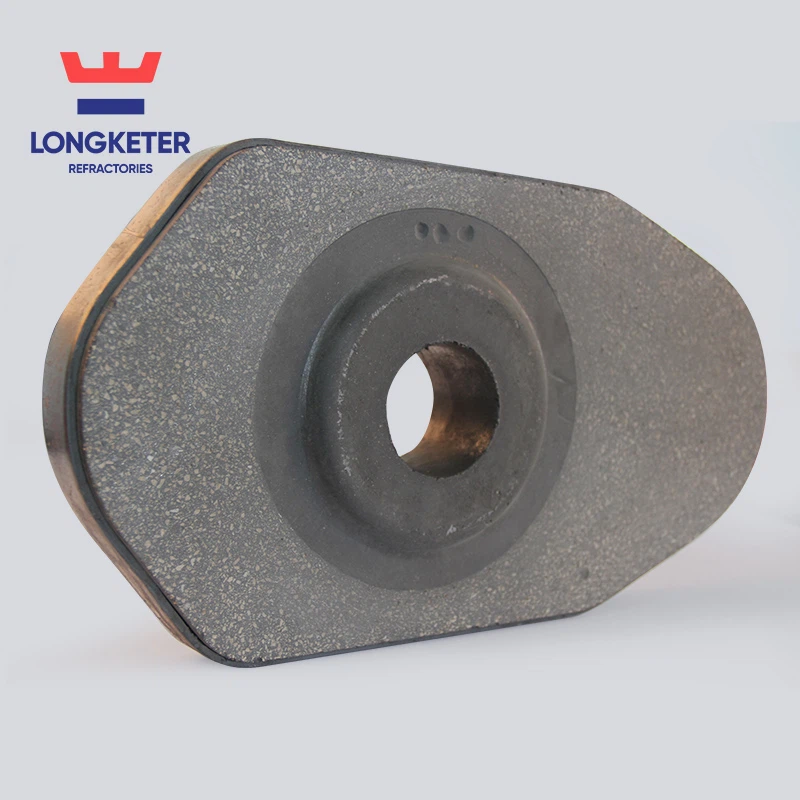
Advanced Custom Refractory Steel Anchors Designed for High-Temperature Applications
In modern high-temperature industries, reliable furnace lining systems are essential for maintaining production efficiency and reducing maintenance costs. Refractory Steel Anchor solutions are increasingly used as critical reinforcement components to improve the stability, strength, and service life of refractory linings in industrial furnaces.
Designed for demanding environments such as steel plants, cement kilns, petrochemical furnaces, and thermal processing equipment, refractory steel anchors provide mechanical support for monolithic refractories and castable linings. With excellent heat resistance, structural strength, and customizable designs, these components help prevent cracking, deformation, and premature failure during long-term operation.
As industrial manufacturers continue upgrading furnace systems, the demand for custom refractory steel anchors is growing due to their ability to meet different installation requirements and extreme operating conditions.

What Are Refractory Steel Anchors?
Refractory steel anchors are specially designed metal components installed inside furnace linings to secure refractory materials in place.
Unlike traditional refractory structures that mainly rely on material strength alone, anchor systems provide additional mechanical reinforcement. They work together with refractory castables, ceramic fiber modules, and other insulation materials to create a more stable furnace lining structure.
During high-temperature operation, refractory materials experience thermal expansion, contraction, vibration, and chemical erosion. Without proper reinforcement, cracks may develop and gradually reduce lining performance.
A well-designed anchor system helps distribute stress more evenly, improving overall durability and reducing unexpected maintenance.
Why Refractory Steel Anchor Is Important for Industrial Furnaces
Industrial furnaces operate under extremely challenging conditions. Temperatures can exceed thousands of degrees Celsius, while materials are exposed to thermal cycling, abrasion, and chemical attack.
High-quality Refractory Steel Anchor products offer several important advantages:
1. Enhanced Structural Stability
Steel anchors provide strong mechanical support for refractory castables, preventing the lining from separating or falling during operation.
This is especially important for large furnace walls, roofs, and complex shapes where refractory materials require additional reinforcement.
2. Improved Thermal Shock Resistance
Frequent heating and cooling cycles can create internal stress within refractory linings.
Properly designed anchors help maintain the integrity of the lining structure, allowing furnaces to withstand repeated temperature changes with reduced cracking risks.
3. Extended Furnace Service Life
A stable refractory lining means fewer repairs and longer operating periods.
By improving the connection between refractory materials and furnace structures, steel anchors contribute to reduced downtime and improved production efficiency.
Custom Refractory Steel Anchors for Different Industrial Needs
Every furnace has different operating conditions. Factors such as temperature, refractory thickness, furnace design, and application environment influence anchor selection.
Therefore, many industrial customers prefer custom refractory steel anchors rather than standard products.
Customization options may include:
Different anchor shapes and dimensions
Various steel grades
Customized installation methods
Special designs for specific furnace structures
Common anchor designs include:
·V-type anchors
·Y-type anchors
·Metallic anchors
·Ceramic anchors
·Stainless steel anchors
By selecting the correct anchor design, companies can improve refractory performance and achieve better long-term operating results.
Stainless Steel Refractory Anchors for Corrosive Environments
For applications involving high temperatures and aggressive chemical environments, stainless steel refractory anchors are widely preferred.
Stainless steel materials provide:
·Excellent oxidation resistance
·Better corrosion resistance
·Stable performance under high temperatures
·Longer service life compared with ordinary steel materials
They are commonly used in:
·Steelmaking furnaces
·Heat treatment furnaces
·Cement production equipment
·Petrochemical processing units
In environments where traditional steel anchors may experience faster degradation, stainless steel solutions provide a more reliable option.
OEM and ODM Manufacturing Support
Different industries often require different refractory reinforcement solutions. A professional manufacturer should be able to provide OEM and ODM services according to customer specifications.
Customized services may include:
Product Design
Engineers analyze furnace conditions and recommend suitable anchor structures.
Material Selection
Different alloys can be selected depending on temperature requirements and corrosion conditions.
Dimension Customization
Anchor size, shape, and fixing methods can be adjusted according to project requirements.
Quality Control
Strict production inspection ensures dimensional accuracy and reliable performance.
This flexible manufacturing approach allows customers to receive refractory anchor solutions that match their specific applications.
Applications of Refractory Steel Anchors
Refractory steel anchors are widely applied in various high-temperature industries.
Steel Industry
Used in:
·Electric arc furnaces
·Ladles
·Heating furnaces
·Steel processing equipment
They improve refractory lining stability under continuous production conditions.
Cement Industry
Used in:
·Rotary kilns
·Preheaters
·Industrial burners
Anchors help maintain castable lining strength under mechanical vibration and thermal stress.
Petrochemical Industry
Used in:
·Reformers
·Cracking furnaces
·High-temperature reactors
Their corrosion resistance and mechanical strength support reliable long-term operation.
How to Choose the Right Refractory Anchor Supplier
Choosing the right supplier directly affects furnace performance.
Important factors include:
Manufacturing Experience
Experienced manufacturers understand different industrial applications and can provide practical solutions.
Material Quality
High-quality raw materials ensure better oxidation resistance and durability.
Customization Capability
A supplier with OEM/ODM capability can produce anchors based on specific project requirements.
Stable Supply Capacity
Reliable production capacity helps customers maintain continuous project schedules.
A professional refractory anchor supplier does not only provide products but also offers technical support throughout the application process.
Conclusion: Reliable Refractory Steel Anchors for Long-Term Furnace Performance
As industrial furnace technologies continue developing, stronger and more durable refractory reinforcement systems are becoming increasingly important.
Refractory Steel Anchor solutions provide essential structural support for high-temperature linings, helping industries improve furnace reliability, reduce maintenance requirements, and extend service life.
With customized designs, advanced materials, and professional manufacturing capabilities, modern refractory anchor systems offer an effective solution for steel, cement, petrochemical, and other high-temperature industries.
For companies seeking reliable furnace lining reinforcement, investing in high-performance refractory steel anchors is a practical choice for improving operational efficiency and long-term production stability.