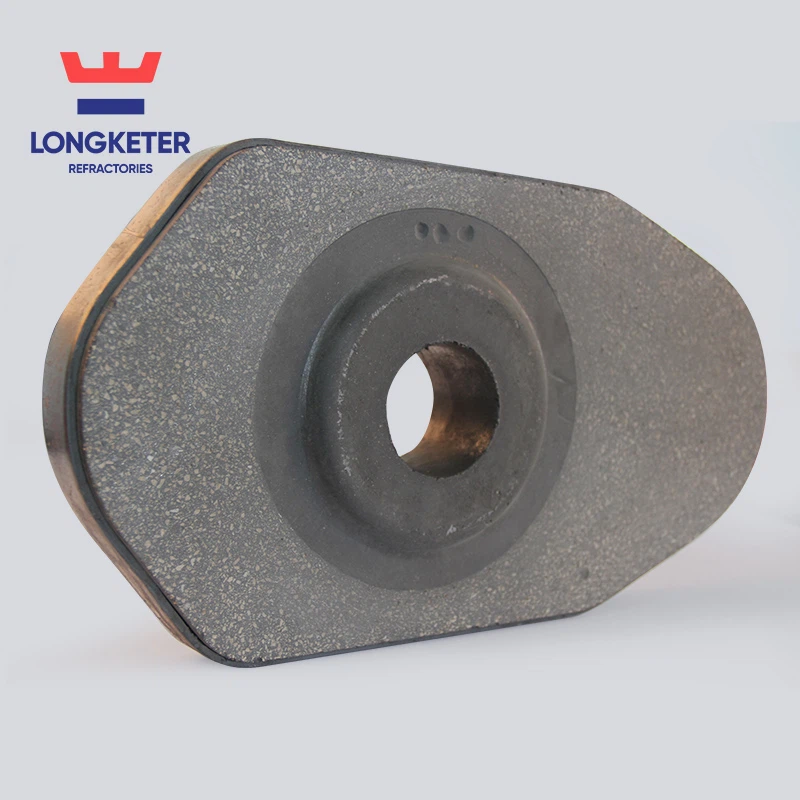
Longketer Refractories Introduces Corrosion-Resistant Anchoring Solutions for High Temperature Applications
Introduction
As industrial furnace systems continue to operate under higher temperatures, stronger chemical corrosion, and more demanding production cycles, the reliability of refractory lining structures has become increasingly important. Refractory Stainless Steel Anchors are gaining attention as a critical component for improving lining stability, extending service life, and reducing maintenance costs in high-temperature industrial environments.
Longketer Refractories has developed advanced stainless steel anchoring solutions designed for refractory applications, providing excellent corrosion resistance, oxidation resistance, and mechanical stability. These anchors are widely used in industrial furnaces, chemical processing equipment, construction engineering projects, and other applications where long-term performance under extreme conditions is required.

The Growing Demand for Reliable Refractory Anchoring Systems
Modern industrial equipment faces increasingly challenging operating conditions. Furnace linings, castable refractories, and thermal insulation materials must withstand repeated thermal cycling, mechanical vibration, and aggressive chemical environments.
Traditional fixing methods may experience deformation, corrosion, or reduced holding strength after long-term exposure to high temperatures. This can lead to refractory cracking, material detachment, and unexpected equipment downtime.
To solve these challenges, manufacturers are increasingly adopting Refractory Stainless Steel Anchors as a reliable reinforcement solution.
These anchoring components provide strong structural support between refractory materials and metal furnace shells, helping maintain lining integrity during continuous operation.
Advanced Material Performance of Refractory Stainless Steel Anchors
The performance of refractory anchors largely depends on material quality and manufacturing precision. Longketer stainless steel anchors are produced using carefully selected stainless steel materials to meet demanding industrial requirements.
Excellent Corrosion Resistance
Industrial furnaces often operate in environments containing slag, chemicals, gases, and other corrosive substances. Stainless steel construction provides enhanced resistance against oxidation and chemical attack.
This makes corrosion resistant stainless steel anchors for refractory lining suitable for applications where conventional steel anchors may experience premature failure.
High Temperature Stability
During furnace operation, anchor components are exposed to extreme heat conditions. High-quality stainless steel maintains mechanical strength and dimensional stability even under elevated temperatures.
The stable performance helps prevent refractory cracking caused by anchor deformation.
Strong Mechanical Support
Refractory materials can experience shrinkage and expansion during heating and cooling cycles. Properly designed anchors provide secure attachment between refractory linings and supporting structures.
This improves the overall durability of furnace linings and reduces the frequency of repair work.
Applications of Stainless Steel Refractory Anchors in Industrial Equipment
Due to their durability and adaptability, stainless steel anchors are widely applied across multiple industries.
Industrial Furnace Construction
Industrial furnaces require reliable refractory systems to maintain thermal efficiency and operational safety.
Stainless steel refractory anchors for industrial furnaces help secure castable refractory materials, ceramic fiber modules, and other insulation structures, ensuring stable performance during long production cycles.
Typical applications include:
·Steelmaking furnaces
·Heat treatment furnaces
·Kilns
·Incinerators
·Thermal processing equipment
Chemical Processing Equipment
Chemical industries often involve high temperatures and corrosive atmospheres. Refractory linings used in reactors, heating equipment, and processing units require strong anchoring systems.
Stainless steel anchors provide reliable reinforcement while maintaining resistance against chemical exposure.
Construction Engineering Projects
In large-scale industrial construction projects, refractory anchoring systems are essential for maintaining structural stability.
The flexibility of different anchor designs allows engineers to select suitable solutions according to equipment size, refractory thickness, and operating conditions.
Different Types of Refractory Stainless Steel Anchors for Various Needs
Industrial applications require different anchor structures depending on installation requirements and refractory design.
Common anchor designs include:
V-Type Anchors
V-shaped anchors provide balanced support and are commonly used in castable refractory installations.
Y-Type Anchors
Y anchors offer improved holding strength and are suitable for thicker refractory linings requiring additional reinforcement.
Stainless Steel Wave Anchors
Wave-shaped designs improve flexibility and mechanical engagement with refractory materials, helping accommodate thermal expansion.
Customized Anchor Solutions
Different industries have different operating conditions. Longketer provides customized refractory anchor solutions based on:
·Furnace temperature requirements
·Refractory material type
·Installation environment
·Mechanical load conditions
Manufacturing Quality and Industry Experience
Reliable refractory anchoring performance depends not only on raw materials but also on manufacturing accuracy.
Longketer Refractories focuses on precision processing, quality inspection, and application-oriented design. Each anchor is manufactured with attention to dimensional accuracy, surface quality, and structural consistency.
Through practical experience in refractory engineering applications, the company continues improving product designs to meet the changing requirements of global industrial customers.
For buyers searching for a high temperature refractory anchors supplier, stable product quality and technical support are essential factors when selecting a long-term partner.
How Stainless Steel Anchors Help Reduce Maintenance Costs
Unstable refractory linings can cause production interruptions and increase maintenance expenses.
By improving the connection between refractory materials and equipment structures, stainless steel anchors help:
·Reduce refractory falling risks
·Extend lining service life
·Improve furnace operating reliability
·Minimize unexpected shutdowns
·Support safer industrial operations
For companies operating high-temperature equipment, investing in durable anchoring systems can provide long-term economic benefits.
Future Trends in Refractory Anchoring Technology
With industries moving toward higher efficiency and longer operating cycles, refractory components are evolving toward stronger performance and longer service life.
Future refractory anchoring systems will continue focusing on:
·Improved heat resistance
·Better corrosion protection
·Lightweight structural design
·Customized engineering solutions
·More sustainable industrial applications
As global industries upgrade their production equipment, demand for reliable refractory accessories such as stainless steel anchors is expected to continue growing.
Conclusion
Refractory Stainless Steel Anchors play an important role in maintaining the stability and durability of modern industrial refractory systems. With advantages including corrosion resistance, oxidation resistance, and strong mechanical performance, these anchors provide dependable support for demanding high-temperature applications.
Longketer Refractories continues to supply customized anchoring solutions for industrial furnaces, chemical equipment, and engineering projects worldwide. By combining material expertise with practical manufacturing experience, Longketer helps customers improve refractory performance and achieve more efficient industrial operations.