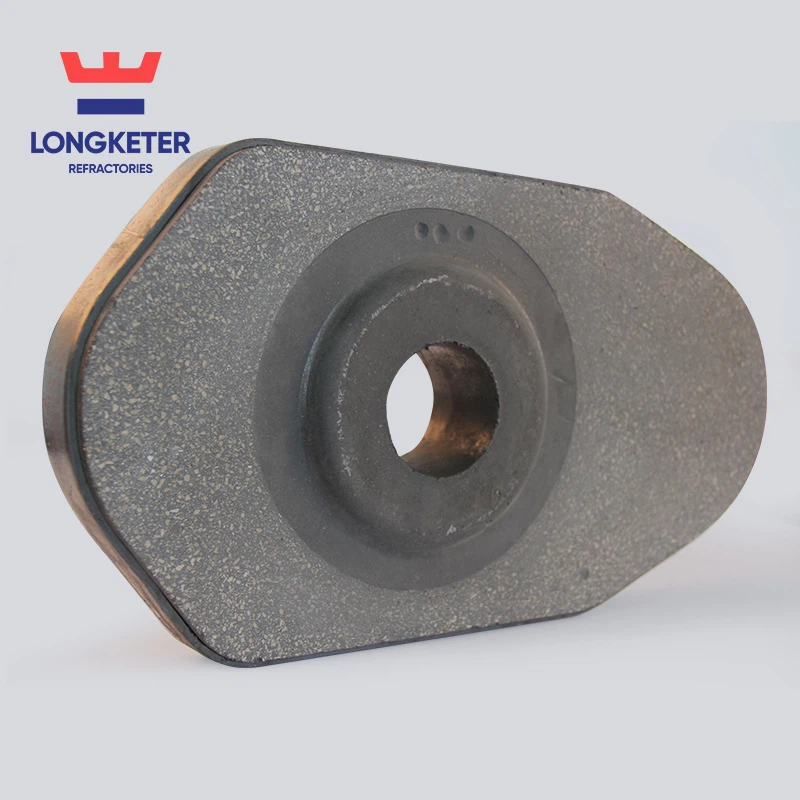
In steelmaking, production problems do not always begin with major equipment failures. Sometimes, deposits building up inside a refractory nozzle can disrupt an entire casting process.
Nozzle clogging is a challenge that steel plants may encounter during continuous casting. As deposits accumulate inside the nozzle, the passage for molten steel gradually becomes restricted. Steel flow may become unstable, operators may need to adjust casting conditions, and in severe cases, production interruptions can affect the entire schedule.
For steel manufacturers, the cost goes beyond replacing a nozzle. Lost production time, additional maintenance, and unstable casting conditions can all put pressure on daily operations.
Why Does Nozzle Quality Matter?
Nozzle clogging is often associated with non-metallic inclusions in molten steel, particularly alumina deposits. Interactions between molten steel and refractory materials can also contribute to deposit formation.
However, material selection is only part of the equation.
The nozzle's internal bore, dimensional accuracy, and structural integrity also deserve attention. Variations in the internal passage may affect molten steel flow, while structural defects can compromise product reliability under demanding high-temperature conditions.
This is why steel plants should look beyond the purchase price and pay closer attention to how refractory nozzles are manufactured and inspected.
How LONGKETER Ensures Product Quality
At LONGKETER, we understand that reliable refractory products start with attention to manufacturing details.
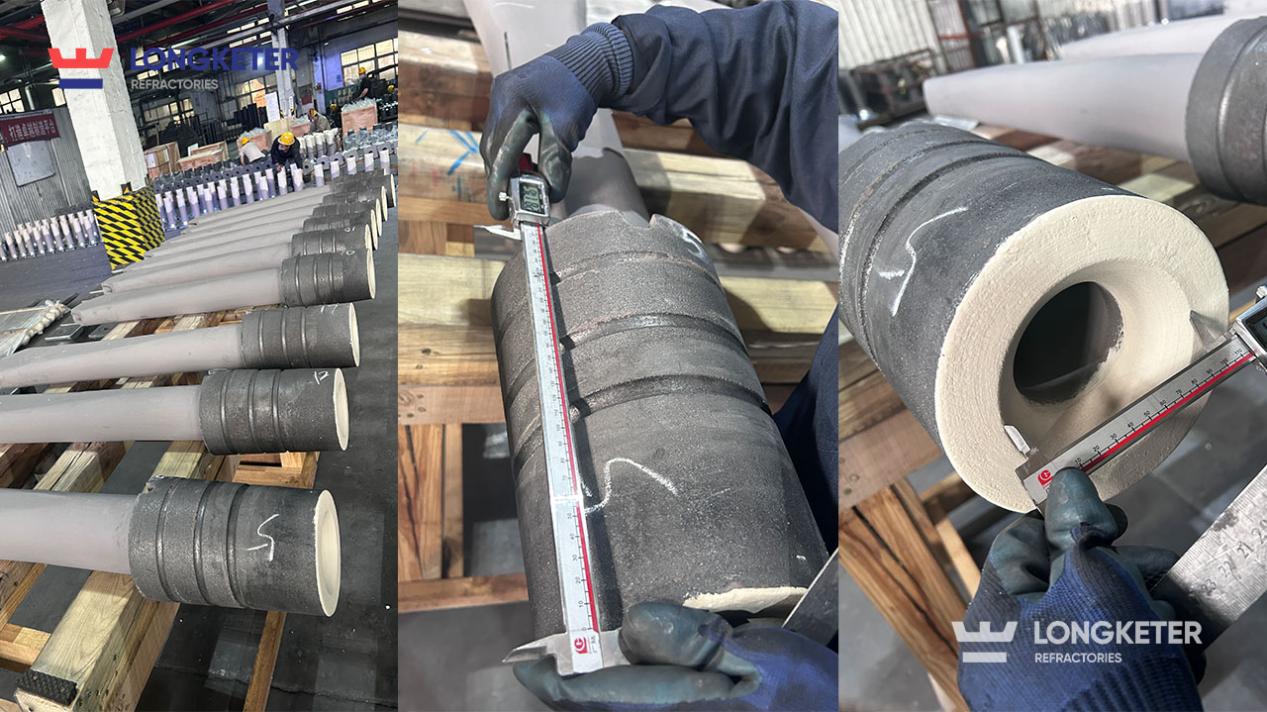
Our quality inspection process focuses on key product dimensions, internal bore measurements, and overall structural condition. As shown in our factory photographs, finished refractory nozzles undergo dimensional checks, with workers using measuring instruments to inspect product length and internal openings.
These inspection procedures help identify dimensional deviations before delivery and support consistent product quality across production batches.
For steel plants, such attention to detail matters. A suitable refractory nozzle requires more than the right material composition; it also needs accurate dimensions and consistent manufacturing quality.
Better Quality Control, More Confidence in Casting
Reducing nozzle-related casting problems requires suitable refractory materials, proper steelmaking practices, and appropriate operating conditions. No single measure can eliminate every cause of clogging, but careful manufacturing and inspection can help reduce avoidable product-related risks.
LONGKETER remains committed to refractory manufacturing and quality control, supporting steelmaking customers with products for demanding continuous casting applications.
A stable casting process starts with reliable details. When choosing a refractory nozzle, product quality deserves attention long before production problems arise.
Contact LONGKETER to discuss your refractory nozzle specifications and requirements.