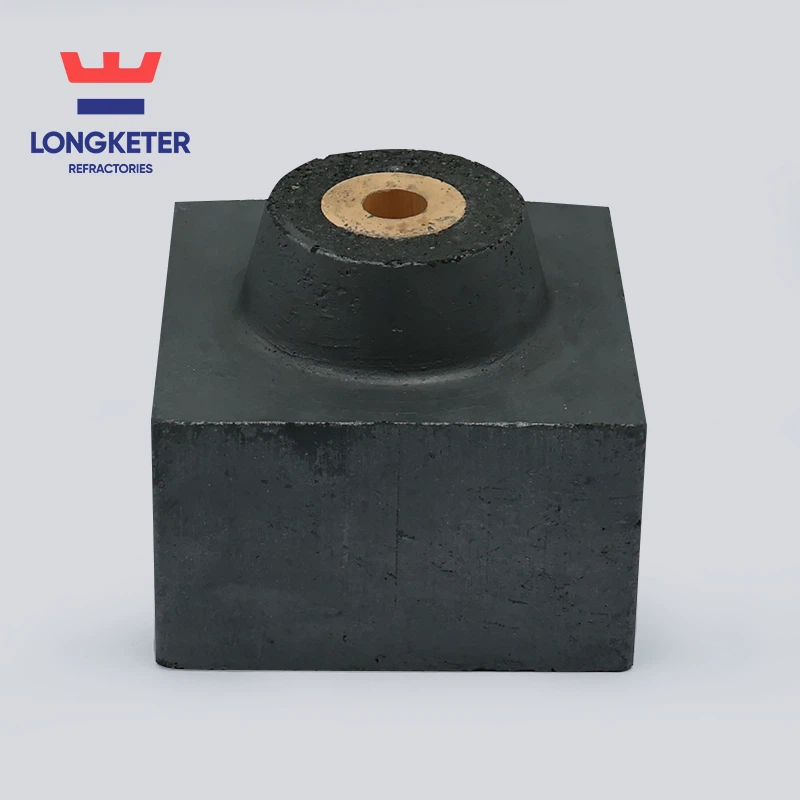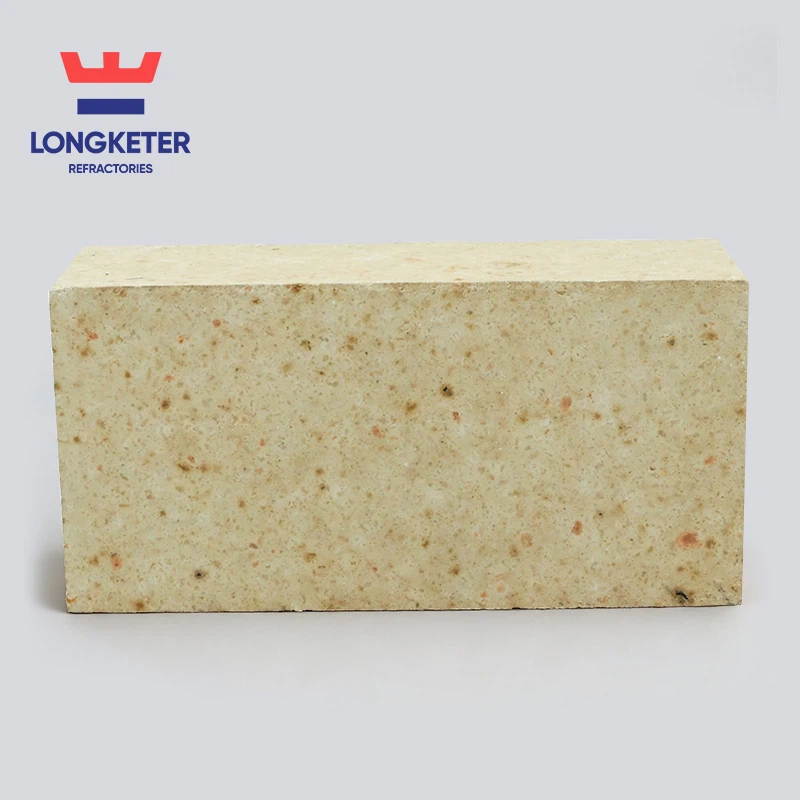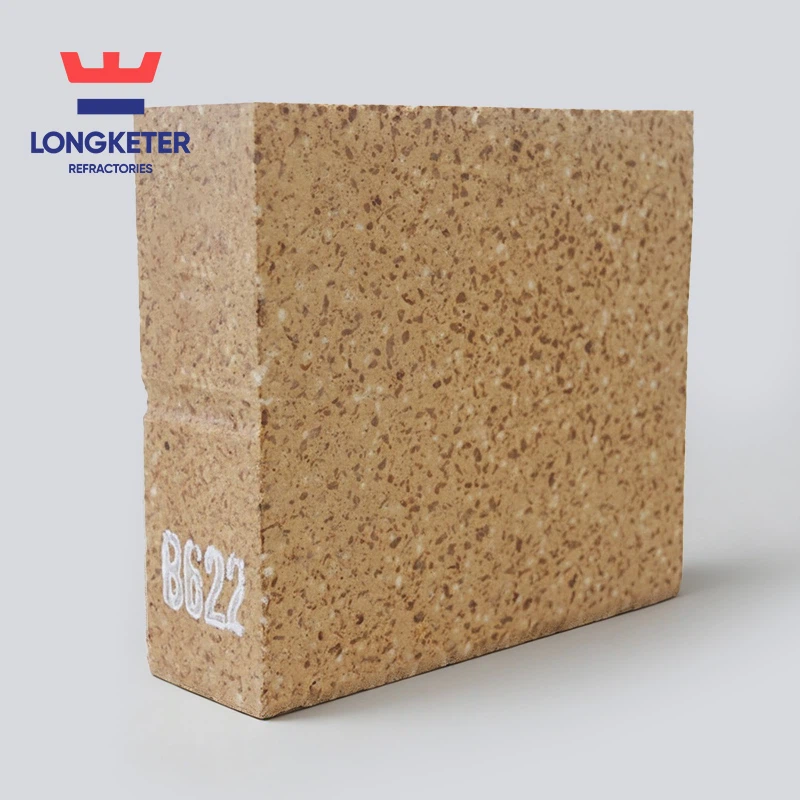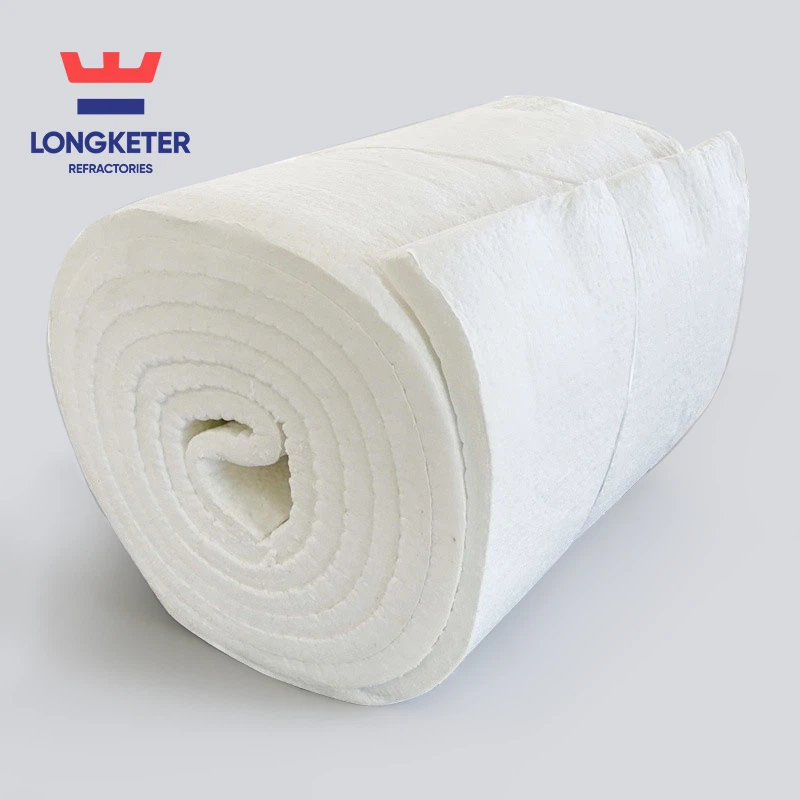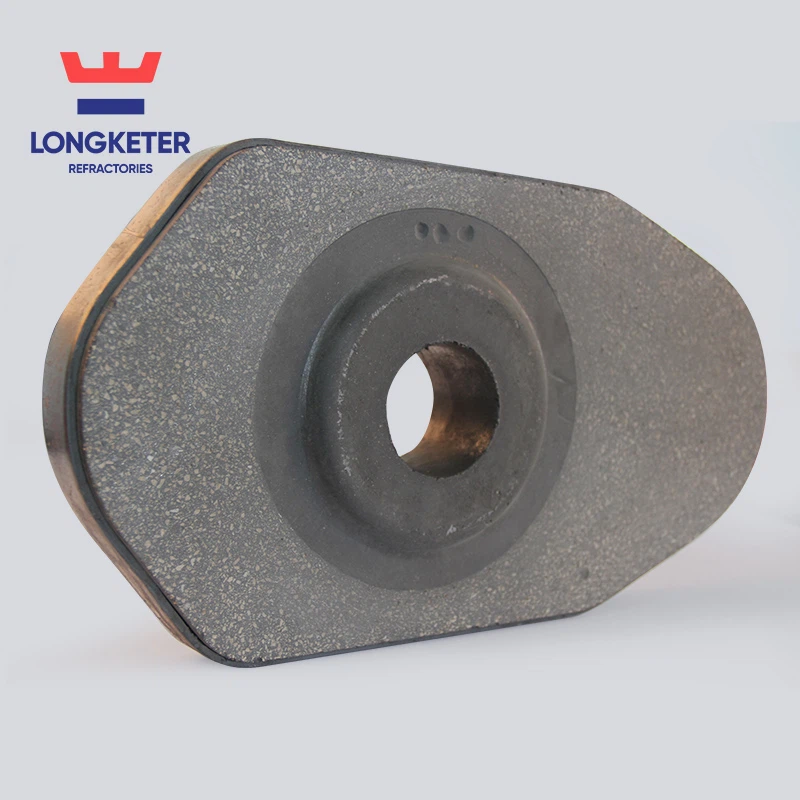
Refractory materials refer to materials that can maintain stability and corrosion resistance at high temperatures. They are commonly used in metallurgy, chemical industry, building materials and other industries, and are one of the important materials in industrial production.
Refractory materials are widely used in various fields, among which ceramic fiber, silicate fiber, alumina, silica brick, etc. have become important representatives. Ceramic fibers are widely used in fields such as metal melting and high-temperature chemical reactions due to their excellent properties such as low density and thermal resistance. Silicate fiber is suitable for use in harsh environments such as high temperature and high pressure, and has good corrosion resistance and thermal stability. Alumina refractory material, as a high-grade ceramic material, is widely used in industrial high-temperature kilns, paint spraying and other fields, and has developed rapidly. As one of the representatives of refractory materials, silica bricks are widely used in the production of ceramics, cement, steel, etc., and have good high temperature, corrosion, and wear resistance.

In the production process of refractory materials, there are several details that need to be paid attention to. The first detail is the quality control of materials. During the production process, raw materials must be reasonably screened and quality tested to ensure that the material quality meets the requirements. The second detail is mold making. Refractory material mold making requires precise control to ensure that the shape and size of the mold meet production requirements. The third detail is production process control. During the production process, equipment operating procedures and safety operating procedures must be strictly followed, and parameters such as temperature and pressure during the production process must be controlled to ensure the stability and safety of the production process.
Refractory materials are indispensable materials in industrial production, and their quality and application range play an important role in industrial production. We should strengthen research and understanding of this field and contribute to promoting industrial development.