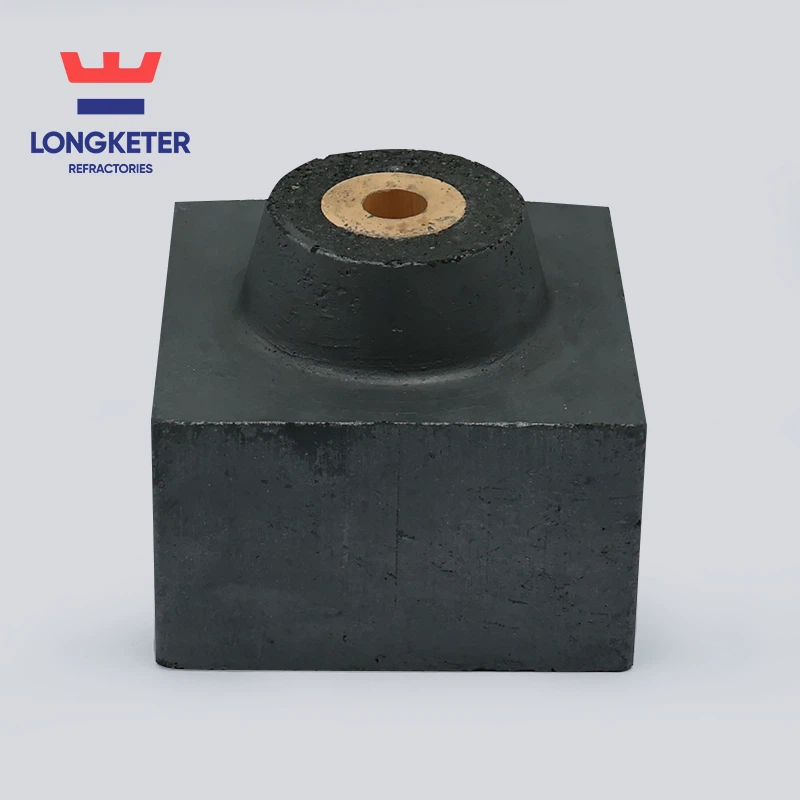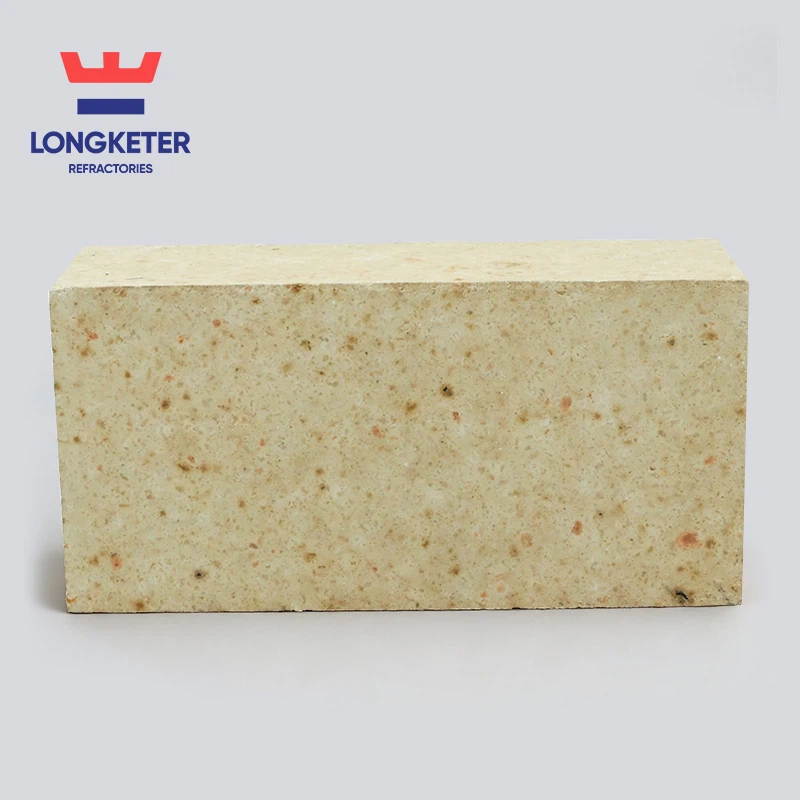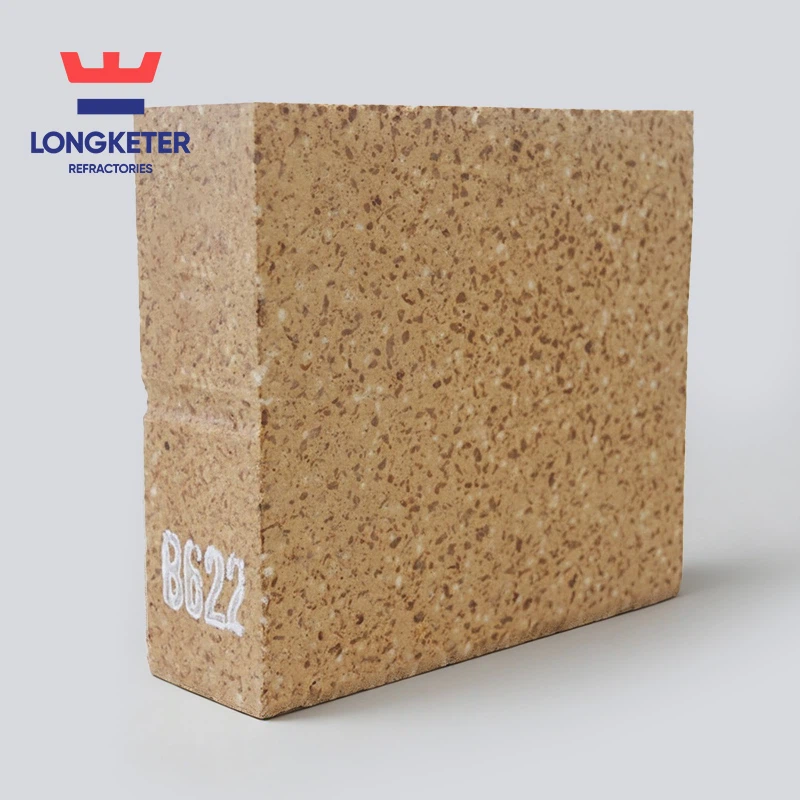
Siliceous refractories are mainly composed of silica. Usually the silica content is no less than 93%. Can be fixed or amorphous refractory. The main variety is silicon brick. The main phases of silicon brick are transformed into squamous quartz, quarteite and glass by sintering at 1350 ~ 1 430℃ with silica as raw material. The true density must be 2.31~2.42 grams per cubic centimeter. It has the advantages of high thermal conductivity, high softening point under load and strong corrosion resistance to acid slag.
Siliceous products are acid refractory materials, strong resistance to acid jealous slag, but easy to be strongly eroded by alkaline slag, easy to be destroyed by potassium oxide, sodium oxide and other oxides, but have good resistance to ferrous oxide, iron oxide and other oxides. The typical silicon brick has the characteristic of high deformation temperature under load, and its softening temperature under load is close to the melting point of phosphorus quartz and cristalite (1670℃, 1713℃). Silicon brick masonry has good air tightness and structural strength, but its biggest disadvantage is low thermal shock resistance stability. Silicon brick is mainly used in coke ovens, glass melting kilns, acid steelmaking furnaces and other thermal equipment structural materials.
The raw materials used in making silicon brick include main raw materials, binder and mineralizing agent, etc. The main material of silicon brick is quartz. There are many quartz varieties in nature, from the crystal state of flint with cryptocrystalline to ideal crystal crystal, etc., these two extreme varieties of refractory materials are not suitable, the reason is that in the process of calcination, when the low-temperature quartz to a variety of high-temperature crystal transformation or instantaneous transformation (such as flint), or transformation is particularly slow (such as crystal), The most suitable for the manufacture of silica brick refractories is colloidal quartzite or massive quartzite. In addition, the fired waste generated in the production process of silicon brick can also be used as raw material, which can reduce the firing expansion of the brick and reduce the fired waste. However, the addition of waste brick will reduce the refractoriness and mechanical strength of the product and increase the porosity, so the amount of waste brick is usually controlled below 20%.
The bonding agents in the manufacture of silicon brick are lime and organic bonding agents. Lime is added to the billet in the form of lime milk, which combines with quartz particles within the billet to increase the strength of the billet after drying. The most commonly used organic binder is sulfite pulp waste, which is used to improve the plasticity of the billet and the strength of the brick after drying. Another role of lime is to play the role of mineralizing agent in the firing process to promote the transformation of quartz. In addition, there are also rolled steel (iron phosphorus), flat furnace slag, sulfuric acid slag, pyrolusite and other mineralizing agents.