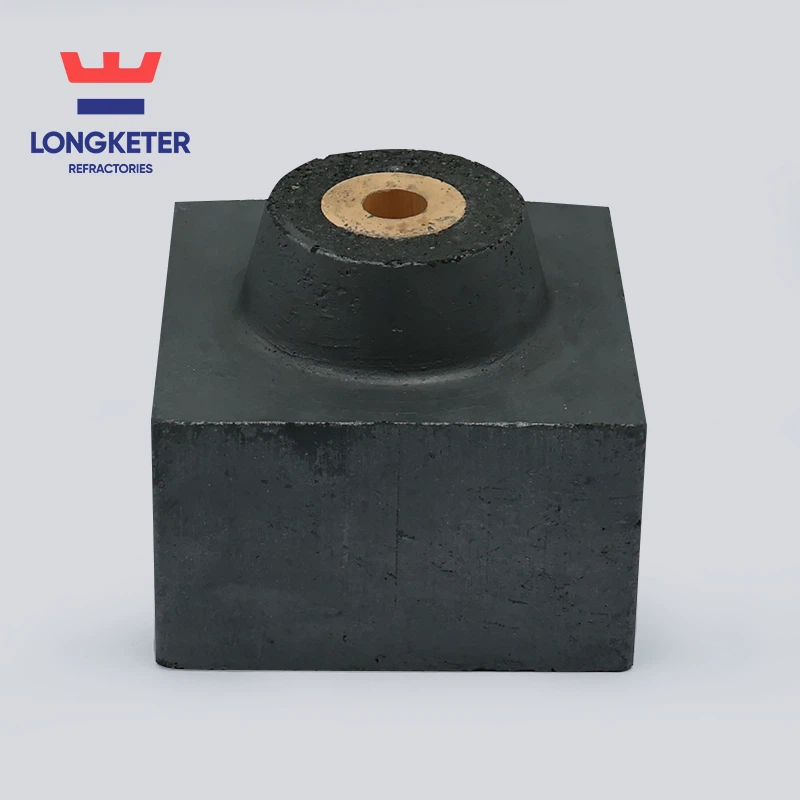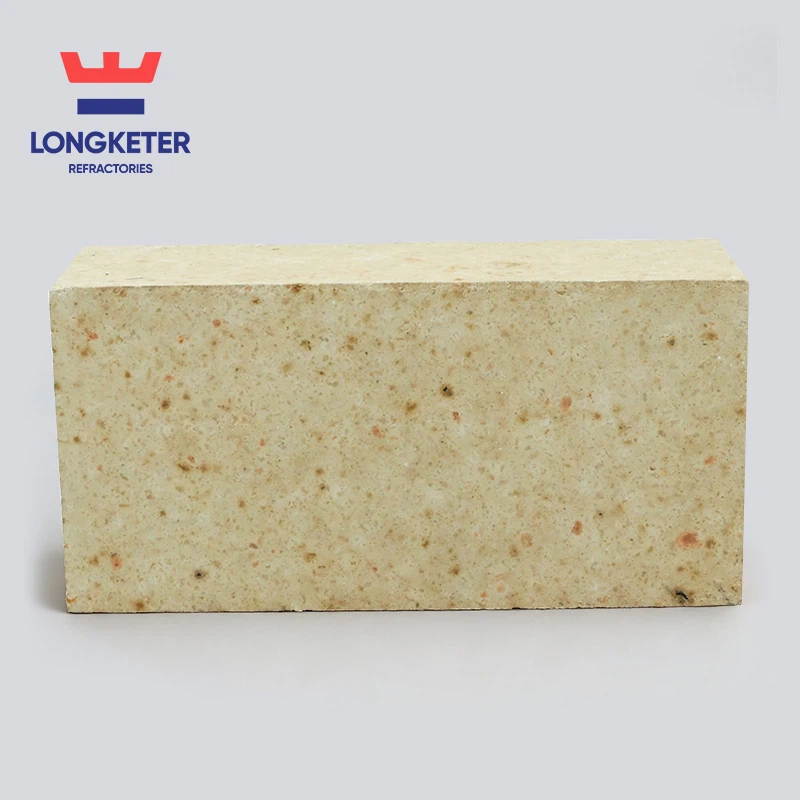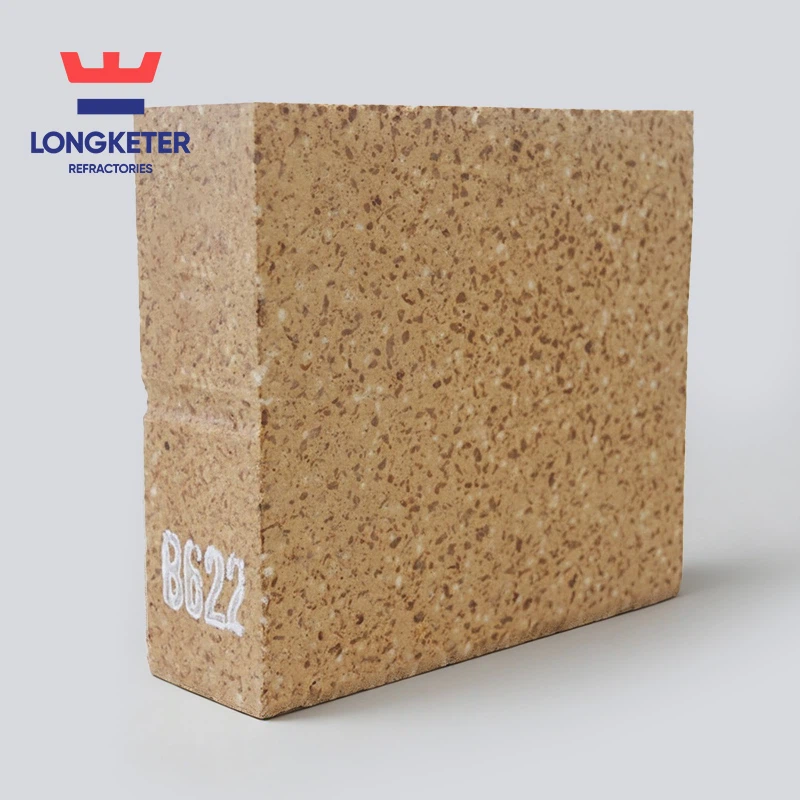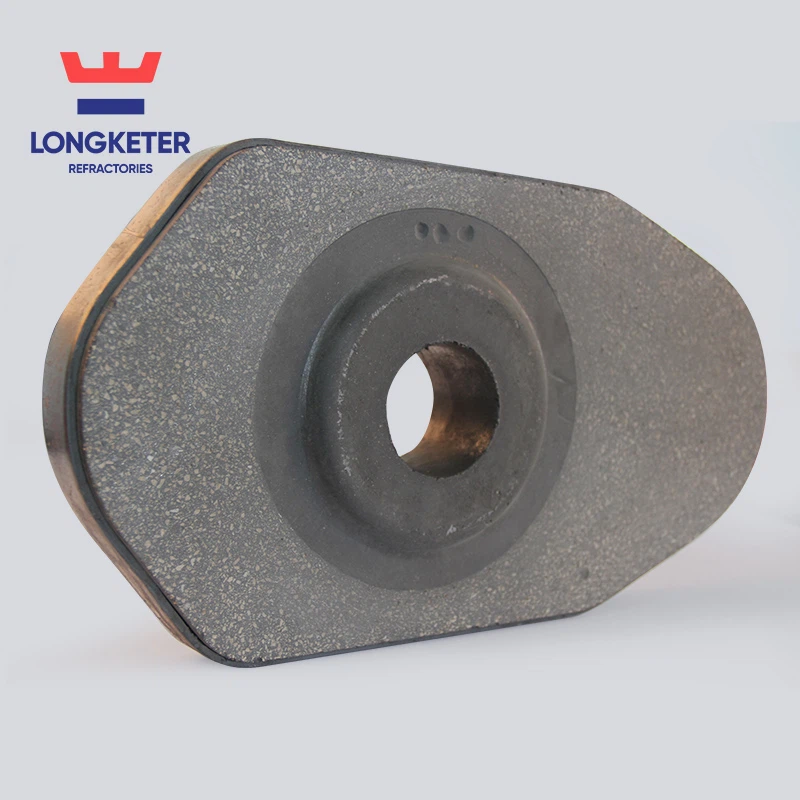
White powder refractory calcined alumina raw material resisting 2000℃ for furnace brick and refractory casting lining, Longketer Refractories factory product
Global metallurgy and thermal processing manufacturers are shifting to premium refractory calcined alumina to extend furnace service life and cut high-temperature maintenance costs in 2026. As a high-purity aluminum oxide powder capable of enduring extreme heat up to 2000°C, calcined alumina for refractory applications outperforms inferior mineral fillers in thermal stability and corrosion resistance. Many steel and kiln plant operators previously faced frequent lining cracking under continuous high-heat operation, a pain point fully resolved by standardized refractory calcined alumina supplies from professional refractory material manufacturers like Longketer Refractories. This shift marks a major upgrade to industrial high-temperature refractory casting formulas across Asia, Europe, and North America

Why Refractory Calcined Alumina Becomes Indispensable for 2000°C Furnace Equipment
Extreme Thermal Stability Handles Sustained 2000°C Working Temperatures
Most conventional refractory raw materials start softening below 1600°C, forcing factories to shut down production every 2–3 months for lining repairs. Refractory calcined alumina changes this operational cycle entirely. Its dense crystal structure eliminates phase expansion and contraction under rapid heating and cooling cycles-an issue that creates cracks in cheap refractory mixes.
A mid-sized steel mill client from Germany shared real-site data after switching to Longketer's calcined alumina refractory powder last quarter: their ladle lining lifespan jumped from 45 days to 120 days, slashing refractory replacement labor and material overhead by nearly 60%. For continuous casting furnaces running nonstop 24/7, this durability gain directly lifts overall plant throughput.
Wide Compatibility With Furnace Bricks, Castables & Eco-Friendly Refractory Blends
Manufacturers do not need to overhaul existing production lines to integrate refractory calcined alumina. The fine white powder mixes evenly with magnesia, silica and other refractory aggregates, fitting three mainstream production scenarios:
1.Prefabricated high-alumina furnace bricks for rotary kilns
2.Monolithic refractory casting materials for on-site furnace lining pouring
3.Low-carbon eco-friendly refractory formulas that meet EU industrial emission standards
Unlike coarse raw mineral ores that require extra grinding, this calcined alumina arrives ready for direct blending, cutting secondary processing energy consumption for refractory factories.
Two Key Buying Advantages of Industrial-Grade Refractory Calcined Alumina From Professional Refractory Suppliers
Stable Bulk Supply Eliminates Raw Material Shortage Risks
Supply chain volatility has plagued the refractory sector since late 2024, with many small mineral processors unable to maintain consistent monthly output of high-purity alumina powder. Longketer Refractories, a specialized refractory material producer with dedicated calcination production lines, holds large finished product inventory to support bulk orders year-round.
For overseas importers and refractory compounding factories, reliable continuous supply avoids production halts caused by delayed raw material shipments-a critical factor for buyers targeting long-term cooperative partnerships instead of one-off spot purchases.
Custom High Temperature Calcined Alumina for Furnace Lining Matches Specialized Furnace Needs
The demand for tailored refractory raw materials grows fast in 2026, as different high-temperature equipment requires distinct calcined alumina specifications. Custom high temperature calcined alumina for furnace lining can be adjusted in two core parameters:
·Particle fineness: Coarse grades for heavy refractory bricks, ultra-fine micro-powder for self-flowing refractory castables
·Alumina purity levels: Standard grade for general kilns, super high purity for ultra-high temperature metallurgical furnaces
Engineers at Longketer Refractories offer free formula consultation to match client furnace operating conditions, removing trial-and-error costs that waste time and raw materials for plant operators.
Industry Outlook: Refractory Calcined Alumina Market Expansion Driven By Clean Metallurgy Trends
Eco-Friendly Refractory Formulas Boost Global Market Demand
Governments across major industrial regions tighten carbon emission rules for steel, cement and non-ferrous metal kilns in 2026. Traditional refractory aggregates containing heavy impurities fail new environmental compliance checks, pushing manufacturers to adopt clean, low-impurity refractory calcined alumina.
2000℃ resistant calcined alumina refractory casting powder contains negligible harmful heavy metal content, aligning with global eco-friendly industrial material standards. Refractory product exporters report a 32% year-on-year rise in orders for low-carbon high-alumina raw materials as of Q3 2026, with European and Southeast Asian importers leading the growth curve.
Common Misconceptions About Calcined Alumina Refractory Raw Materials Resolved
Many first-time buyers confuse common alumina powder with refractory-grade calcined alumina, leading to costly lining failures after installation. Key differentiators to note:
1.Regular light alumina powder cannot sustain temperatures above 1500°C; only calcined refractory alumina maintains structural integrity at 2000°C
2.Cheap uncalcined alumina causes severe volume shrinkage during furnace heating, triggering lining spalling
3.Non-customized particle size mixes create uneven density in cast refractory layers, shortening service life
Working with specialized refractory manufacturers eliminates these avoidable operational errors for end-users without deep material testing labs on-site.
Case Study: Steel Kiln Cuts Maintenance Downtime With Bulk Supply Refractory Calcined Alumina for Steel Kiln Bricks
A steel production plant in Vietnam operated 6 rotary kilns for molten metal processing, previously sourcing mixed low-grade refractory raw materials from scattered regional vendors. Frequent lining breakdowns forced 3–4 full production stops monthly for repair work.
After switching to bulk supply refractory calcined alumina for steel kiln bricks from Longketer Refractories in early 2026, the facility recorded measurable operational improvements within 60 days:
·Furnace lining replacement frequency reduced by 70%
·Monthly refractory raw material total expenditure dropped 43%
·Unplanned production downtime cut from 18 hours weekly to under 3 hours weekly
The plant's technical director noted that consistent high heat resistance of refractory calcined alumina was the single biggest factor behind the efficiency upgrade, alongside stable, on-time bulk deliveries that eliminated inventory shortages.
Conclusion
As high-temperature industrial manufacturing continues advancing in 2026, refractory calcined alumina will remain the foundational high-performance raw material for furnace linings, refractory casting mixes and eco-friendly kiln bricks. Operators seeking long-term furnace stability, controlled production costs and compliance with global industrial environmental standards can prioritize high-quality, customizable calcined alumina refractory powder from certified refractory manufacturers. With reliable bulk supply and tailored formulation support, this 2000°C heat-resistant alumina material delivers tangible operational benefits for steel, cement and non-ferrous metallurgy facilities worldwide, cementing its position as a non-negotiable component of modern industrial refractory production systems.