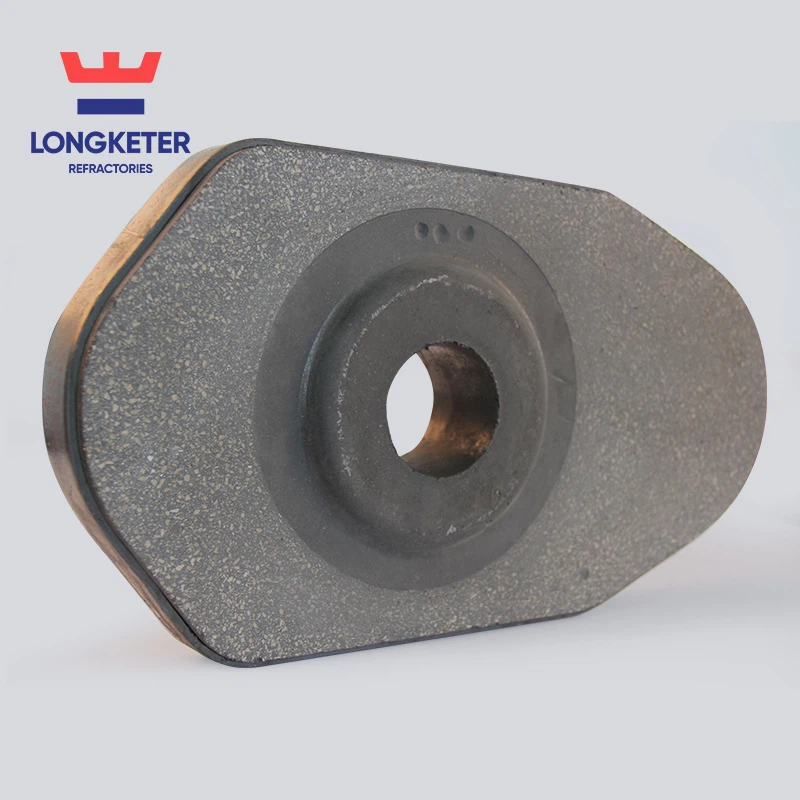
Longketer Refractories Highlights Durable Refractory Materials for Industrial Furnace Applications
As industrial manufacturers continue to demand greater furnace efficiency, longer service life, and more stable high-temperature performance, choosing the right refractory bricks has become an important part of maintaining reliable production. From steelmaking facilities and cement plants to glass factories and ceramic kilns, refractory materials protect furnace structures against extreme heat, chemical corrosion, mechanical wear, and repeated temperature changes.
Longketer Refractories, a manufacturer with 16 years of experience in refractory brick production, provides refractory solutions for industrial applications where thermal stability and lining durability are essential. Its product range includes various refractory brick types and shapes designed to meet the different operating conditions of industrial furnaces and high-temperature equipment.
Rather than treating furnace lining materials as interchangeable products, industrial operators increasingly focus on selecting bricks according to working temperature, furnace atmosphere, slag composition, and mechanical loading. A properly selected refractory lining can help reduce unplanned maintenance, improve operational stability, and support more efficient production.

Understanding the Role of Refractory Bricks in Industrial Furnaces
Refractory bricks are specially manufactured materials designed to withstand high temperatures while maintaining their structural integrity. Unlike ordinary construction bricks, they are produced using carefully selected mineral raw materials and controlled manufacturing processes to meet demanding industrial conditions.
Their primary function is to form a protective lining inside furnaces, kilns, reactors, and other thermal processing equipment. Depending on the application, these materials may come into direct contact with flames, molten materials, hot gases, or corrosive slags.
In practical operation, a furnace lining must do more than resist heat. It also needs to maintain dimensional stability, withstand thermal cycling, and resist chemical reactions with the materials being processed.
For example, a steelmaking furnace experiences intense thermal loads and contact with molten metal and slag. A ceramic kiln, meanwhile, may require consistent temperature distribution and resistance to repeated heating and cooling. These differences make material selection a critical engineering decision.
Key Performance Characteristics of High-Quality Refractory Materials
The performance of an industrial furnace lining depends on several interconnected material properties. Understanding these characteristics helps buyers evaluate products beyond their initial purchase price.
1. High-Temperature Resistance
High-temperature resistance is one of the most important requirements for industrial refractory materials.
Different furnace applications operate under different thermal conditions. Steelmaking equipment, industrial kilns, and glass furnaces may expose their linings to prolonged heat, localized temperature peaks, and direct flame contact.
A suitable refractory brick must maintain its shape and structural strength under the expected service temperature. However, maximum service temperature alone should not determine material selection.
Operators should also consider the duration of exposure, furnace atmosphere, load conditions, and the temperature fluctuations experienced during normal production.
2. Thermal Shock Resistance
Industrial furnaces rarely operate under perfectly constant conditions. Start-up, shutdown, maintenance, and production changes can create repeated heating and cooling cycles.
These temperature changes generate internal stresses within refractory materials. If a brick cannot accommodate these stresses, cracks, surface damage, or structural failure may develop.
Thermal shock resistance is therefore particularly important in equipment that experiences frequent temperature variations.
Selecting materials with suitable thermal expansion characteristics and structural stability can help reduce premature lining damage.
3. Resistance to Chemical Corrosion
Refractory materials frequently come into contact with aggressive substances, including molten slag, alkaline compounds, metal oxides, and furnace gases.
Chemical compatibility plays a major role in determining lining service life.
For instance, basic refractory materials are commonly considered for applications involving basic slags, while other furnace environments may require alumina-based, silica-based, or specialized refractory compositions.
Choosing the correct chemical composition can help minimize penetration, erosion, and reaction-related deterioration.
4. Mechanical Strength and Wear Resistance
Refractory linings may experience mechanical stress from material movement, charging operations, vibration, and contact with solid or molten materials.
Adequate compressive strength and abrasion resistance help bricks maintain their structure during operation.
These characteristics are especially relevant in industrial furnaces where material handling and repeated mechanical contact are part of the production process.
Different Types of Refractory Bricks for Industrial Applications
Not every furnace requires the same refractory composition. Material selection should be based on operating conditions, required performance, and equipment design.
Common categories include:
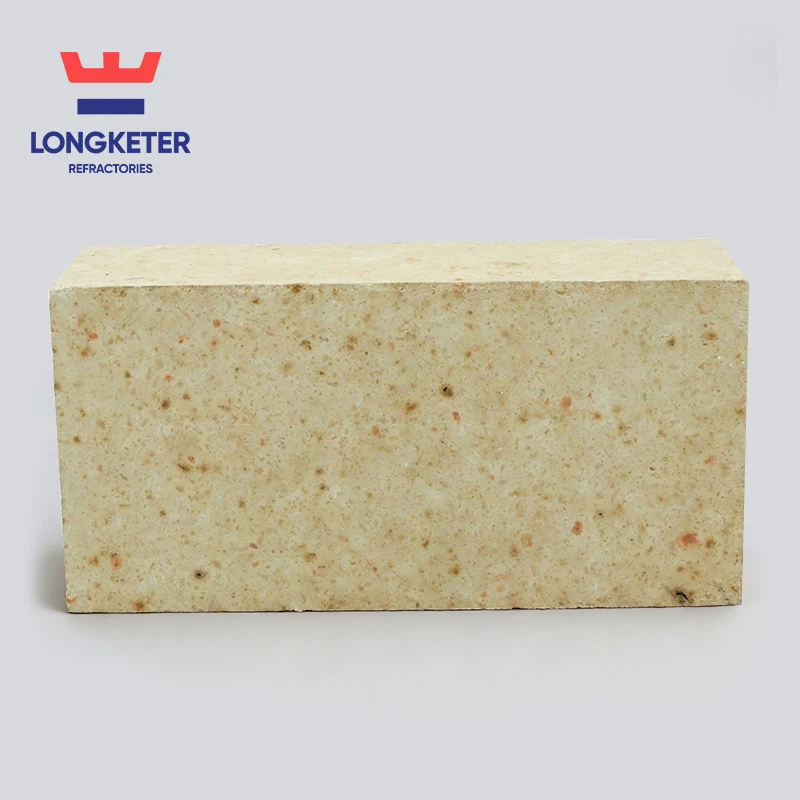
High Alumina Bricks
High alumina bricks are widely used in industrial furnaces because of their high refractoriness, mechanical strength, and resistance to various chemical environments.
They are commonly applied in steelmaking equipment, cement kilns, industrial boilers, and other high-temperature installations.
The alumina content and manufacturing process influence their performance, making different grades suitable for different operating conditions.
Magnesia Bricks
Magnesia bricks are basic refractory products primarily used in environments involving basic slags and demanding steelmaking conditions.
Their resistance to basic slag corrosion makes them suitable for selected applications in converters, electric arc furnaces, and other metallurgical equipment.
Depending on the formulation, magnesia-based products can provide different levels of corrosion resistance, thermal stability, and structural performance.
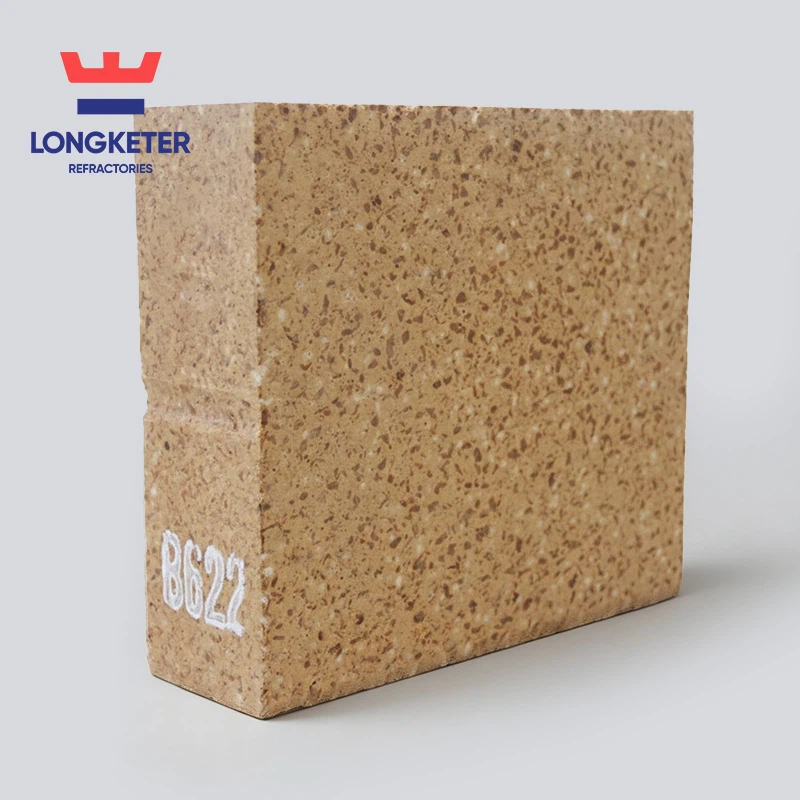
Mullite Bricks
Mullite bricks are valued for their thermal stability, high-temperature strength, and resistance to thermal deformation.
They are frequently used in ceramic kilns, industrial heating equipment, and other applications requiring reliable performance under elevated temperatures.
Their properties make them an option for furnace areas where dimensional stability and thermal performance are important.
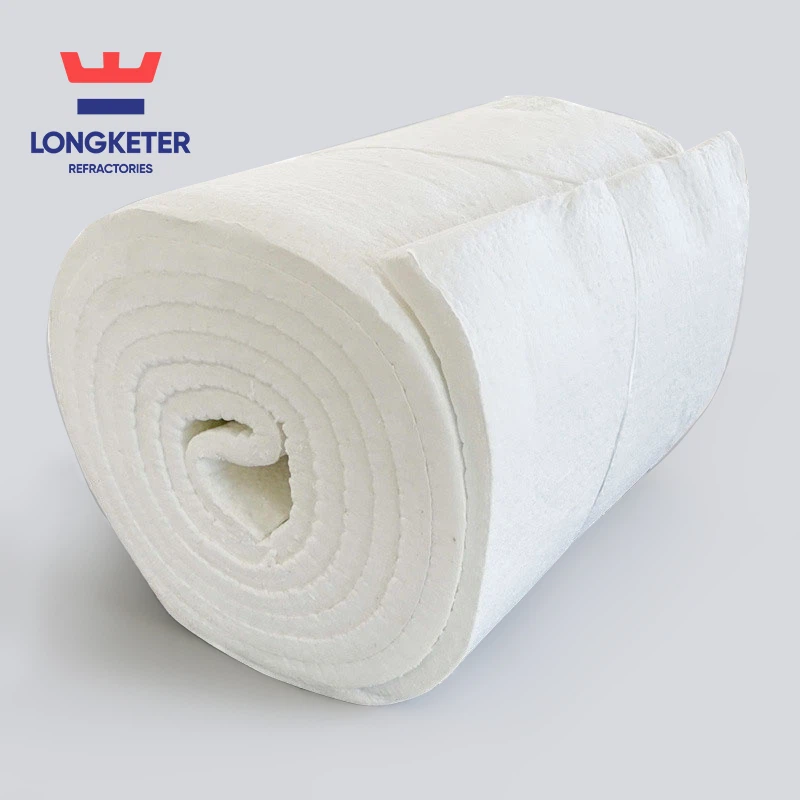
Insulating Fire Bricks
Insulating fire bricks are designed to reduce heat transfer through furnace walls and other thermal structures.
Their relatively low thermal conductivity helps limit heat loss, which can support improved energy efficiency and lower external surface temperatures.
They are often installed in backup insulation layers or selected furnace zones where thermal insulation is a priority.
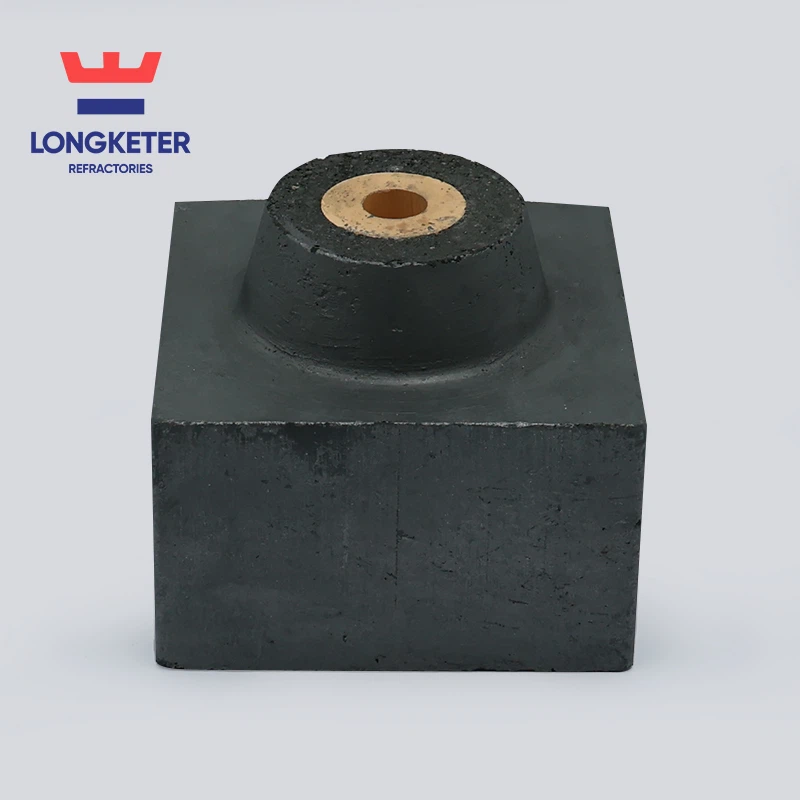
Special-Shaped Refractory Bricks
In addition to standard rectangular products, many industrial installations require specially shaped bricks to match furnace geometry.
These may include curved bricks, tapered bricks, arch bricks, and customized components.
Accurate dimensions and consistent manufacturing quality are important because gaps or irregularities in the lining can affect installation quality and local thermal performance.
How to Select the Right Refractory Bricks for Your Furnace
Choosing the correct product requires more than comparing chemical composition or quoted prices. Industrial buyers should evaluate the complete working environment before making a purchasing decision.
First, identify the actual operating temperature.
Determine both the normal working temperature and possible temperature peaks. A product's refractoriness under laboratory conditions should not automatically be treated as its recommended continuous service temperature.
Second, evaluate the chemical environment.
The composition of slag, molten metal, furnace gases, and other process materials can influence refractory performance. Chemical compatibility should be considered before selecting a brick type.
Third, consider mechanical conditions.
Furnace linings may be exposed to abrasion, impact, compression, or vibration. These factors can significantly influence the required strength and wear resistance.
Fourth, check the installation design.
Brick dimensions, shapes, joint thickness, and lining structure all affect the final installation. Custom-shaped products may be necessary for specific furnace sections.
Finally, evaluate long-term operating costs.
A lower purchase price does not always translate into a lower total cost. Service life, repair frequency, installation requirements, and production downtime should all be included in the evaluation.
A refractory product that performs consistently under actual operating conditions may provide better long-term value than a cheaper alternative requiring frequent replacement.
Why Manufacturing Quality Matters
The quality of refractory materials is influenced by several stages of production, including raw material selection, batching, mixing, pressing, drying, and high-temperature firing.
Variations in raw material purity or particle distribution can affect the final product's density, porosity, strength, and thermal behavior.
Consistent forming pressure and firing conditions are also important. Poor process control may result in dimensional deviations, uneven internal structures, or inconsistent performance between production batches.
For industrial buyers, reliable manufacturing is therefore not simply a matter of product appearance. It is directly connected to installation quality and furnace operating stability.
Before placing an order, buyers should review relevant technical data, including chemical composition, apparent porosity, bulk density, cold crushing strength, refractoriness under load, and thermal conductivity where applicable.
Product specifications should be matched to the actual application rather than evaluated in isolation.
Longketer Refractories: 16 Years of Manufacturing Experience
With 16 years of experience in refractory brick manufacturing, Longketer Refractories focuses on supplying materials for demanding industrial furnace applications.
Its product range covers different refractory compositions, sizes, and shapes to accommodate varying requirements across the metallurgical, ceramic, cement, and other high-temperature industries.
For overseas industrial customers, choosing a manufacturer involves more than finding a supplier with an available product. Consistent specifications, clear technical communication, dependable production arrangements, and suitable product recommendations all contribute to a successful purchasing relationship.
Longketer works with customers to identify suitable refractory products according to furnace conditions and application requirements.
When requesting a quotation, buyers can provide information such as the furnace type, operating temperature, required chemical composition, brick dimensions, and estimated order quantity. These details help establish a more accurate basis for product selection and technical communication.
Supporting More Stable Industrial Furnace Operations
As industrial production continues to place greater emphasis on energy efficiency, equipment reliability, and maintenance cost control, refractory lining quality remains an important consideration.
The right material can help protect furnace structures, maintain thermal conditions, and reduce the risk of premature lining deterioration. However, achieving these benefits requires a combination of appropriate material selection, manufacturing consistency, and correct installation.
For steel plants, cement producers, ceramic manufacturers, and other industrial users, selecting refractory materials according to real operating conditions is a practical step toward more reliable furnace performance.
With 16 years of manufacturing experience and a range of industrial refractory products, Longketer Refractories continues to provide material solutions for customers seeking dependable performance in high-temperature environments.