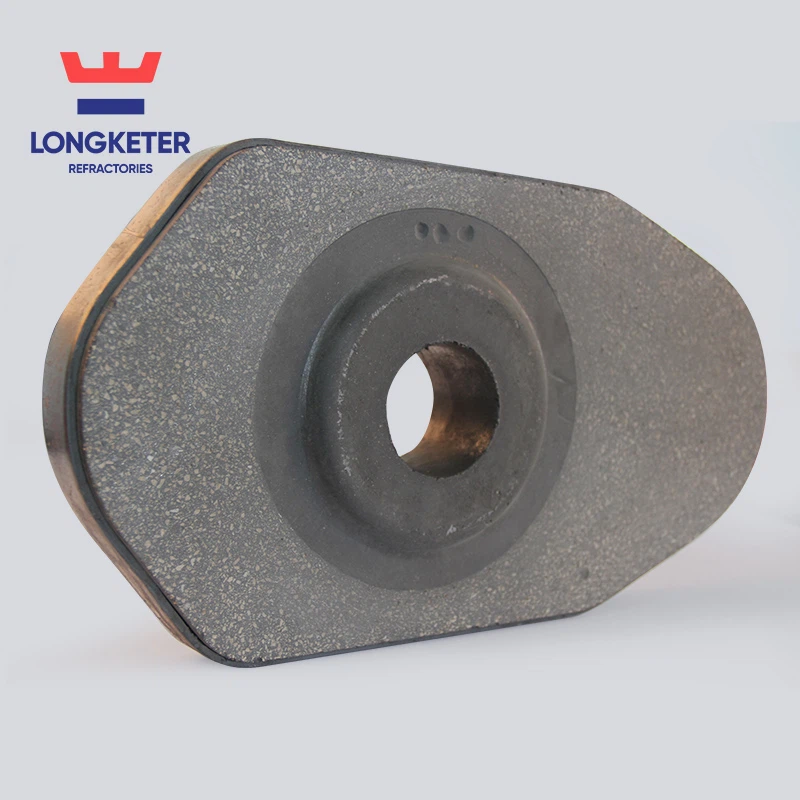
If you are not careful in the manufacturing process of refractory bricks, it will affect the quality of the bricks and cause the product to appear hollow, just like the normal firing temperature is not standard. If the product is hollowed out, it will greatly affect the construction effect. Let's see how to deal with it.
1. When laying refractory bricks, the cement mortar mortar is relatively thin. Cement mortar is dry when installed. Or, on the back of the brick, there is no clean up contamination.
Solution: During construction, ensure that the mortar of the adhesive layer is dry and can fall to the ground to spread. When laying refractory bricks, the water-cement ratio of cement slurry is 1:2 (volume ratio), and cement powder cannot be directly laid. During maintenance, it is not possible to walk on it.
2. Acceptance standard - empty drum rate standard: During the acceptance of empty drum, it is found that the empty drum phenomenon is less than 3%, and the empty drum phenomenon does not appear on the pipeline. Bricks on the main aisle should be controlled within 5%.
The fix: If the refractory brick dents are above the norm, you can ask the painter to open the brick and put it back in place. This is a method in which the product is taken out of the empty bucket, lifted directly with suction cups, and then laid out according to the specifications. If the hollow is more than a third of the pavement surface, spread all the bricks over the entire surface and then repave.
The above involves the treatment of the hollow phenomenon of refractory bricks. The use of hollow bricks will affect work efficiency. Therefore, it is recommended to pay more attention to the production work to avoid product quality problems and minimize the possibility of empty bricks.