Zibo Long Keter New Materials Co., Ltd. Highlights Product Specifications, Custom Manufacturing Options, and Industrial Applications
Mullite insulating bricks are widely used in industrial high-temperature environments where thermal insulation, structural stability, and efficient furnace operation are important considerations. As manufacturers continue to focus on energy efficiency and equipment reliability, selecting the right refractory insulation material has become an essential part of furnace design and maintenance.
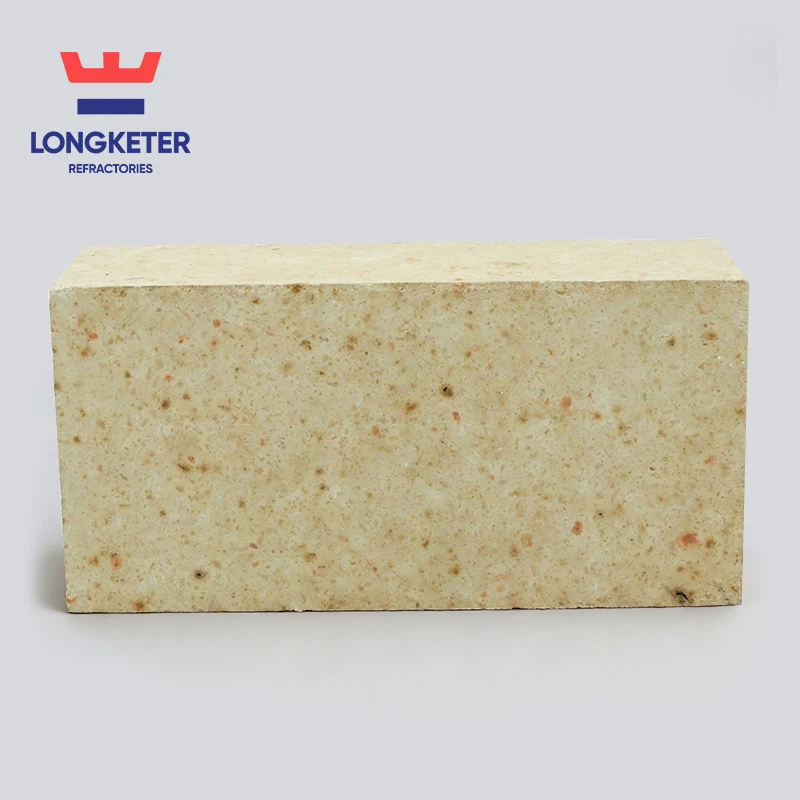
Zibo Long Keter New Materials Co., Ltd. (Longketer) provides mullite insulating bricks in multiple product grades and specifications, including JM23, JM26, JM28, and JM30. With a standard dimension of 230 × 114 × 65 mm and alumina content ranging from 45% to 73% across its product range, the company offers solutions for different industrial insulation requirements. Customized dimensions and OEM/ODM manufacturing services are also available.

Understanding Mullite Insulating Bricks and Their Industrial Value
Mullite-based refractory materials are valued for their ability to maintain useful structural properties under elevated temperatures. Their composition makes them suitable for applications where thermal insulation and resistance to high-temperature operating conditions must be considered together.
In industrial furnaces, heat loss through furnace walls, roofs, and other structural sections can affect energy consumption and operating efficiency. Properly selected insulation materials help reduce unnecessary heat transfer and support more stable temperature conditions inside the equipment.
Mullite insulating bricks are therefore considered in a range of thermal processing applications, including ceramic kilns, heat treatment furnaces, industrial heating equipment, and other high-temperature installations.
However, selecting a suitable brick requires more than simply checking its maximum service temperature. Buyers should also consider bulk density, thermal conductivity, dimensional tolerances, mechanical strength, and the actual temperature conditions in the intended installation.
These factors help determine whether a particular insulation brick is appropriate for the working environment.
Mullite Insulating Bricks Specifications and Product Models
Product specifications are an important starting point for industrial refractory purchasing. Different furnace designs and operating conditions may require different insulation grades.
Longketer offers several product models to accommodate different application requirements.
Available Product Models:
JM23
JM26
JM28
JM30
Standard Product Dimensions:
Length: 230 mm
Width: 114 mm
Height: 65 mm
Alumina Content:
Available range: 45%–73%
Customization Options:
Customized dimensions
Multiple product specifications
OEM manufacturing
ODM manufacturing
Sample availability
The standard 230 × 114 × 65 mm dimension provides a familiar brick format for many industrial masonry applications. For projects involving non-standard furnace structures, customized dimensions can help reduce unnecessary cutting and improve installation compatibility.
It is important to note that the alumina content range represents the overall product series rather than a fixed composition for every grade. Buyers should request the corresponding technical datasheet to confirm the chemical composition and physical properties of their selected model.
How to Choose the Right JM23, JM26, JM28, or JM30 Grade
Choosing an appropriate refractory insulation brick requires matching product characteristics with actual furnace conditions.
The JM23, JM26, JM28, and JM30 models provide different options within Longketer's mullite insulating brick range. Rather than selecting a grade based on its model number alone, purchasers should evaluate the intended operating temperature, heat exposure, mechanical loading, and furnace construction.
JM23 and JM26 for Insulation Requirements
JM23 and JM26 grades may be considered for furnace sections where thermal insulation is a major design consideration.
Typical evaluation points include the required working temperature, thermal conductivity, dimensional stability, and installation location.
For example, insulation layers in ceramic kilns and industrial heating equipment may have different operating conditions depending on their position within the furnace structure.
A detailed technical comparison helps engineers determine which grade is appropriate for a particular project.
JM28 and JM30 for Higher-Temperature Design Considerations
JM28 and JM30 are also included in Longketer's product selection for projects with different high-temperature insulation requirements.
When evaluating these grades, buyers should confirm the manufacturer's technical specifications, including recommended service temperature, permanent linear change, bulk density, and thermal conductivity.
The correct choice depends on the complete furnace design rather than the product designation alone.
For this reason, Longketer encourages customers to provide their application details before confirming a suitable product specification.
Key Factors When Selecting Industrial Insulation Bricks
A reliable insulation system depends on more than the refractory material itself. Several technical factors influence the long-term performance of furnace linings.
1. Thermal Conductivity
Thermal conductivity is one of the most important parameters when evaluating insulation materials.
Lower thermal conductivity generally indicates better resistance to heat transfer under comparable testing conditions. However, actual performance also depends on temperature, material density, installation quality, and the overall furnace structure.
Engineers should compare thermal conductivity data at relevant temperatures instead of relying on a single room-temperature value.
2. Working Temperature
Every refractory insulation product has a recommended temperature range.
Selecting a material without considering actual operating conditions may result in premature deterioration or dimensional changes.
Buyers should distinguish between classification temperature, recommended continuous service temperature, and actual furnace operating temperature. These values are not necessarily interchangeable.
3. Bulk Density and Mechanical Strength
Bulk density affects both insulation performance and the overall weight of the furnace lining.
Mechanical strength is equally important when bricks are exposed to handling, installation pressure, or structural loads.
In applications where insulation bricks support additional refractory layers, engineers must verify whether the selected product can withstand the expected loading conditions.
4. Dimensional Accuracy
Brick dimensions directly affect masonry alignment, joint thickness, and installation efficiency.
Longketer's standard 230 × 114 × 65 mm format provides a reference specification for purchasing and project planning.
For specialized furnace designs, customized sizes can be discussed to better match the installation requirements.
Industrial Applications of Mullite-Based Insulation Materials
Different industrial sectors have different thermal management requirements. The suitability of a particular insulation brick depends on its technical properties and the conditions of use.
Ceramic Kilns
Ceramic production requires controlled heating and cooling processes. Furnace insulation plays an important role in maintaining temperature conditions and limiting heat loss through the kiln structure.
Mullite-based insulation materials can be considered for suitable kiln wall and roof insulation systems, depending on the operating temperature and mechanical requirements.
Heat Treatment Furnaces
Metal heat treatment processes often require controlled thermal environments over extended operating periods.
Insulation materials used in these furnaces must be selected according to temperature fluctuations, furnace construction, and maintenance requirements.
Proper insulation design can help reduce heat loss and support more efficient furnace operation.
Industrial Heating Furnaces
Industrial heating equipment is used in various manufacturing processes, including metal processing and thermal treatment.
The insulation layer helps separate the hot working chamber from the external furnace structure.
Selecting an appropriate refractory insulation brick can contribute to more effective thermal management and improve the overall design of the furnace lining.
High-Temperature Processing Equipment
Other thermal processing installations may also require lightweight refractory insulation materials.
Before selecting a product, engineers should consider whether the bricks will be exposed to direct flame, chemical attack, abrasion, or mechanical loading.
Insulating bricks are generally intended for insulation applications rather than unrestricted direct exposure to severe mechanical or chemical conditions. Where necessary, a suitable hot-face refractory lining should be designed separately.
Why Custom Specifications Matter in Refractory Projects
Standard refractory dimensions are useful for conventional furnace structures, but industrial projects do not always follow standard designs.
Some installations require special dimensions, different brick arrangements, or compatibility with existing furnace linings.
Customized refractory insulation bricks can help address these requirements.
Longketer supports different specifications and OEM/ODM manufacturing arrangements. Customers can discuss their drawings, required dimensions, product grades, and technical requirements with the company before production.
This approach is particularly useful for:
Furnace maintenance and replacement projects.
Non-standard industrial kiln structures.
Refractory material distributors.
Industrial furnace manufacturers.
Engineering and installation contractors.
Before placing a bulk order, purchasers should confirm the product model, chemical composition, dimensional tolerances, and relevant physical properties.
A representative sample can also help customers evaluate product appearance, dimensions, and compatibility with their project requirements.
What Buyers Should Check Before Ordering Mullite Insulating Bricks
For industrial procurement teams, comparing technical specifications is often more useful than evaluating products based on price alone.
The following checklist can help simplify the purchasing process:
Product grade: Confirm whether JM23, JM26, JM28, or JM30 is suitable for the intended application.
Chemical composition: Verify the alumina content and other relevant chemical components through the manufacturer's technical documentation.
Physical properties: Request bulk density, cold crushing strength, thermal conductivity, and permanent linear change data.
Operating conditions: Provide the expected furnace temperature, heating cycles, and installation location.
Dimensions: Confirm whether the standard 230 × 114 × 65 mm size is suitable or whether customized dimensions are required.
Packaging and delivery: Discuss packaging requirements, order quantities, production schedules, and transportation arrangements.
These details help reduce specification misunderstandings and make it easier for manufacturers to recommend an appropriate product.
Longketer Supports Industrial Refractory Insulation Requirements
Zibo Long Keter New Materials Co., Ltd. focuses on refractory materials for industrial applications and provides multiple product specifications to meet different customer requirements.
Its mullite insulating brick range includes JM23, JM26, JM28, and JM30 models, with alumina content ranging from 45% to 73% across the series.
The company offers a standard brick size of 230 × 114 × 65 mm, together with customized specifications and OEM/ODM services.
For customers evaluating a new furnace insulation project or replacing existing refractory materials, selecting a suitable product begins with understanding the working environment and technical requirements.
Longketer welcomes inquiries from industrial buyers, refractory distributors, furnace manufacturers, and engineering contractors seeking product specifications and customized insulation brick solutions.
Contact Longketer to discuss your application requirements, request technical information, or inquire about product samples.