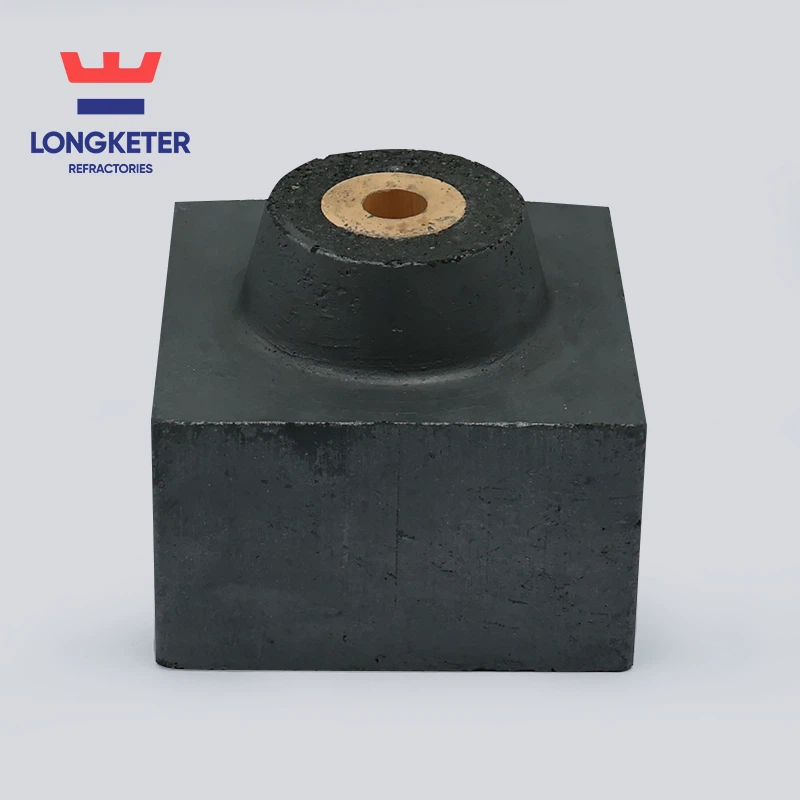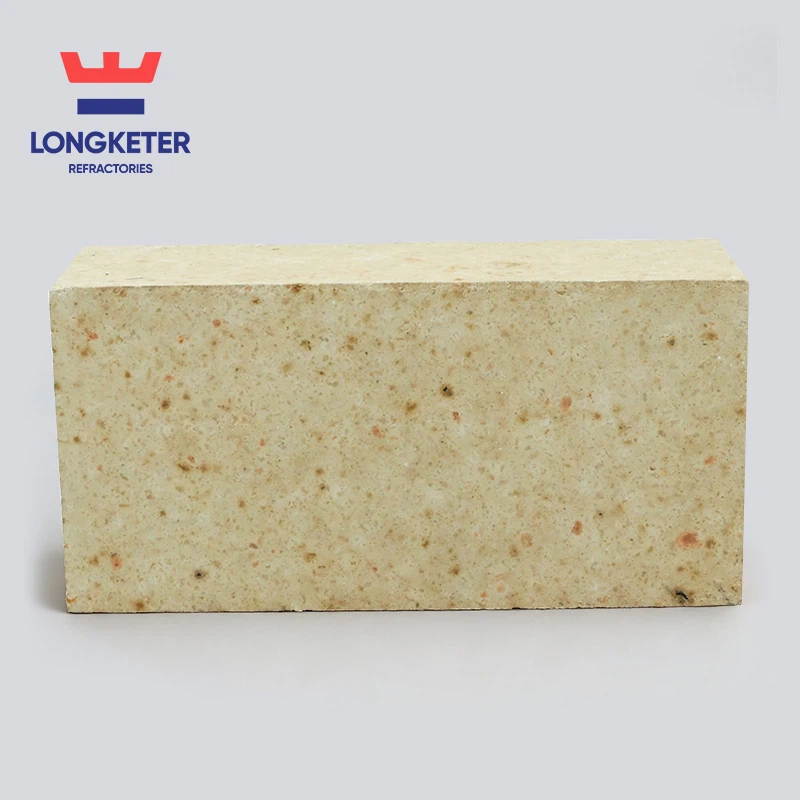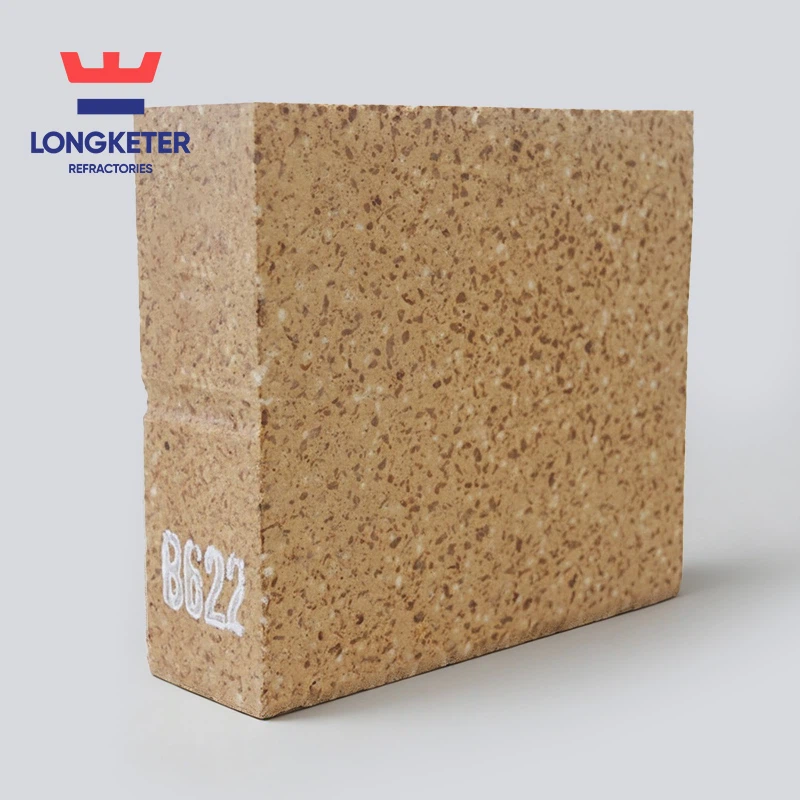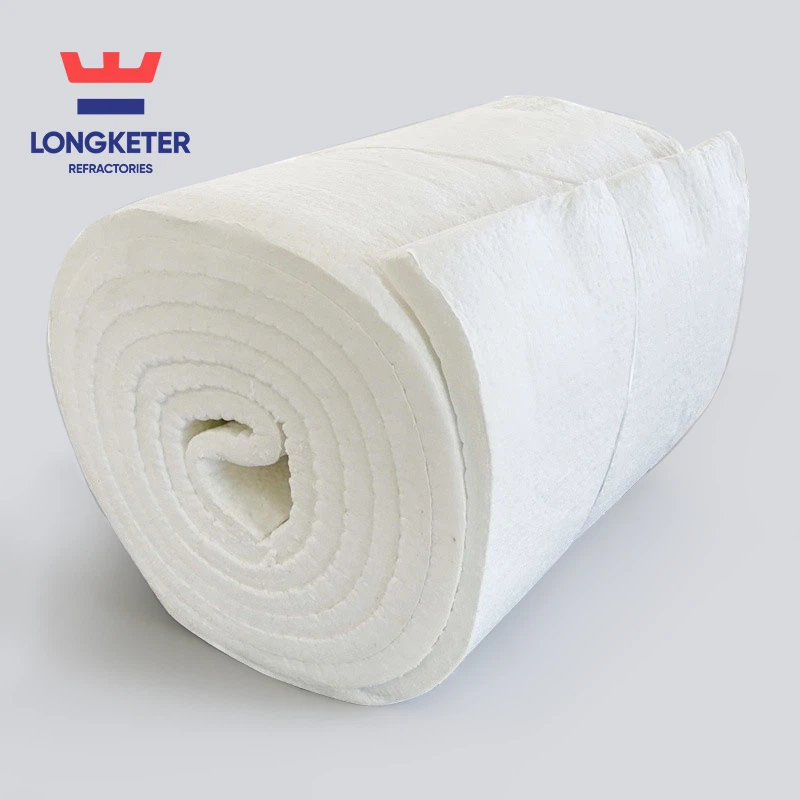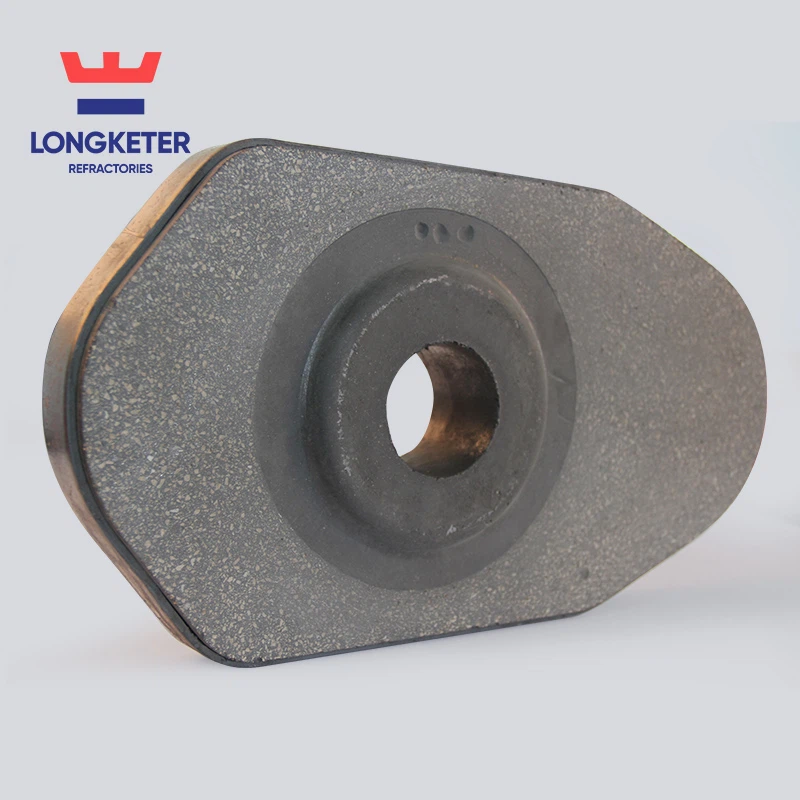
In the field of industrial production, refractory materials serve as a crucial support to ensure the smooth progress of high - temperature operations, and their importance is self - evident. Magnesium carbon bricks, with their excellent performance and wide applications, are gradually becoming a bright star in the field of refractory materials and attracting much attention from all sectors.
In terms of its composition, magnesium carbon bricks are refractory materials with magnesium oxide and carbon as the main components. Magnesium oxide, as an alkaline oxide with a high melting point, has a melting point as high as 2800°C, which endows magnesium carbon bricks with excellent high-temperature resistance. Carbon, especially graphite, not only has a high melting point and is difficult to be infiltrated by furnace slag, but also has a relatively high thermal conductivity, a low coefficient of thermal expansion, and a low elastic modulus. These properties enable magnesium carbon bricks to exhibit many remarkable advantages when facing complex high-temperature environments.
In terms of performance, magnesium carbon bricks combine numerous advantages. Their slag erosion resistance is extremely outstanding. During the high-temperature industrial production process, the erosion of various furnace slags on the furnace lining materials is a serious problem. Magnesium sand has a strong resistance to alkaline slags and high-iron slags. Moreover, due to the large wetting angle of graphite to furnace slags, magnesium carbon bricks can effectively resist the erosion of furnace slags, greatly extending the service life of the furnace lining.
The slag permeability of magnesium carbon bricks is extremely low. This characteristic makes it difficult for furnace slags to penetrate into the interior of the bricks during high-temperature operations, avoiding the structural damage and performance degradation of the bricks caused by slag penetration, and further ensuring their stability and reliability in harsh environments.
The thermal shock stability of magnesium carbon bricks is truly remarkable. Furnaces often experience drastic temperature changes during operation, and this thermal shock phenomenon poses a great challenge to refractory materials. Thanks to the low expansibility and good thermal conductivity of graphite, it can effectively relieve the thermal stress caused by rapid temperature changes, enabling magnesium carbon bricks to maintain structural integrity in a thermal shock environment and not easily suffer from problems such as spalling and cracking.
Magnesium carbon bricks also have good thermal conductivity. This characteristic allows the bricks to transfer heat quickly and evenly in a high-temperature environment, avoiding the occurrence of local overheating. It helps to improve the thermal efficiency of equipment such as furnaces and reduce energy consumption.
In the field of application, magnesium carbon bricks truly demonstrate their capabilities and play an indispensable and important role. In the iron and steel smelting industry, magnesium carbon bricks can be seen everywhere.
When a steelmaking oxidation converter is in operation, the internal temperature soars to around 1700°C. The molten steel in the converter keeps churning, and there is a fierce reaction between the furnace slag and the furnace lining under the dual effects of mechanical scouring force and chemical erosion force. As a furnace lining material, magnesium carbon bricks, with their excellent high-temperature resistance, slag erosion resistance and thermal shock stability, firmly withstand the harsh environment, ensuring the stable operation of the converter and helping to improve the steelmaking efficiency and the purity of the molten steel. At the tapping hole, the high-temperature molten steel jets out at a high speed, with a flow rate of several meters per second. The strong scouring force and the temperature as high as 1600°C - 1700°C pose extremely severe tests on the materials. Magnesium carbon bricks stand firm here to ensure smooth tapping and avoid the premature damage of the tapping hole.
At the hot spot area of the furnace wall of a high-power electric furnace, the current passing through the electrodes generates high temperature, and the local temperature exceeds 1800°C, with concentrated thermal stress. The high thermal conductivity of magnesium carbon bricks quickly conducts heat, and their good thermal shock stability resists drastic temperature changes, preventing the furnace wall from deforming and cracking due to overheating, and greatly extending the service life of the electric furnace. In the external refining furnace, the molten steel undergoes further purification and composition adjustment at high temperature. The acidity and alkalinity of the refining slag are complex, and strict requirements are imposed on the purity, slag resistance and thermal shock stability of the refractory materials. Magnesium carbon bricks, with their excellent performance, escort the refining process.
In addition to the iron and steel smelting industry, magnesium carbon bricks also have a wide range of applications in other high-temperature industrial fields. In the glass manufacturing industry, in the glass kiln, the high-temperature glass liquid at 1500°C - 1600°C flows like viscous magma, and the furnace gas contains various corrosive gases. Magnesium carbon bricks are laid on the bottom and walls of the glass kiln, withstanding the scouring and erosion of the glass liquid and blocking the penetration of the furnace gas to ensure the stable operation of the kiln and lay a solid foundation for the production of high-quality and high-transparency glass products.
In the cement production industry, in the cement kiln, the materials undergo complex physical and chemical changes at a high temperature of 1400°C - 1600°C to form cement clinker. In the kiln, there is not only the chemical erosion of alkaline materials but also the mechanical wear caused by the churning of the materials. As the inner lining of the cement kiln, magnesium carbon bricks can resist the harsh working environment, effectively reducing the maintenance frequency of the cement kiln, improving production efficiency and reducing energy consumption.
In the non-ferrous metal smelting industry, taking copper smelting as an example, in the reverberatory furnace, copper concentrate is smelted at a high temperature of 1200°C - 1300°C, and the furnace slag is highly corrosive. As a furnace lining material, magnesium carbon bricks give full play to their advantages of high-temperature resistance and erosion resistance to ensure the smooth copper smelting process and improve the metal recovery rate. In the electrolytic cell for aluminum smelting, although the working temperature is relatively low, the erosion of the strong current and high-temperature electrolyte in the cell is still severe. Magnesium-carbon bricks provide a reliable support for the stable aluminum electrolysis process.
With the continuous advancement of science and technology and the sustained development of the industry, the requirements for the performance of magnesium carbon bricks are increasingly rising. On the one hand, in order to meet more stringent high temperature environments and complex working conditions, researchers are constantly dedicated to developing new types of magnesium-carbon brick products. For instance, by optimizing the raw material formula and using magnesium sand of higher purity and high-quality graphite, the performance of magnesium carbon bricks can be further improved. At the same time, new types of additives and production processes are being studied to enhance the anti-oxidation performance, slag resistance, and thermal shock stability of magnesium carbon bricks, among other properties.
On the other hand, with the continuous enhancement of environmental awareness, the magnesium carbon brick industry is actively responding to the call for green development. During the production process, emphasis is placed on energy conservation and emission reduction. Environmentally friendly production equipment and processes are adopted to reduce environmental pollution. Meanwhile, the recycling and reuse of waste magnesium-carbon bricks are strengthened. Through effective treatment technologies, waste magnesium carbon bricks are converted into reusable resources, achieving the circular utilization of resources, reducing production costs, and promoting sustainable development.