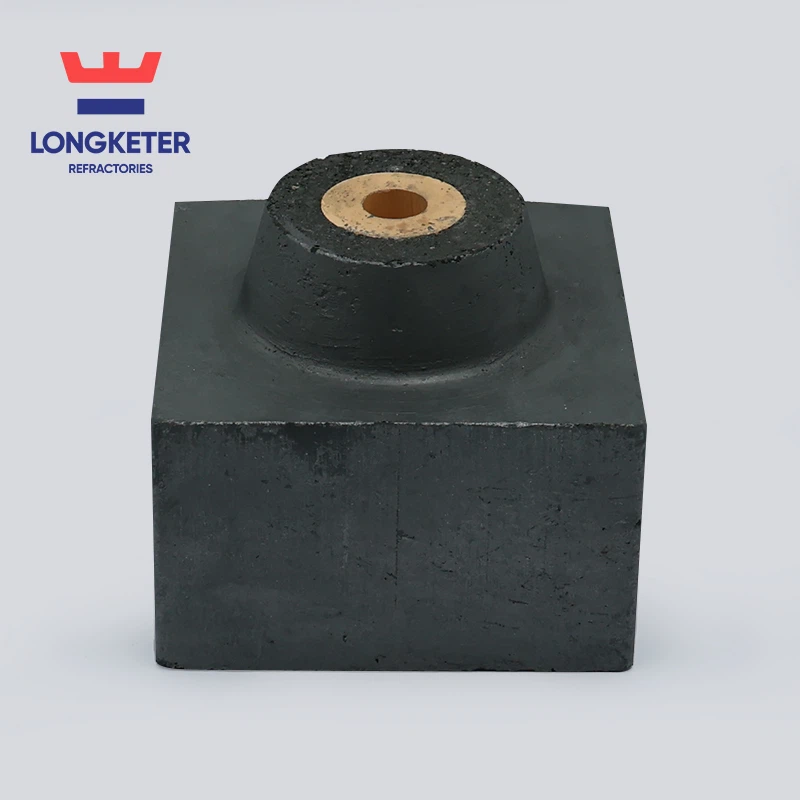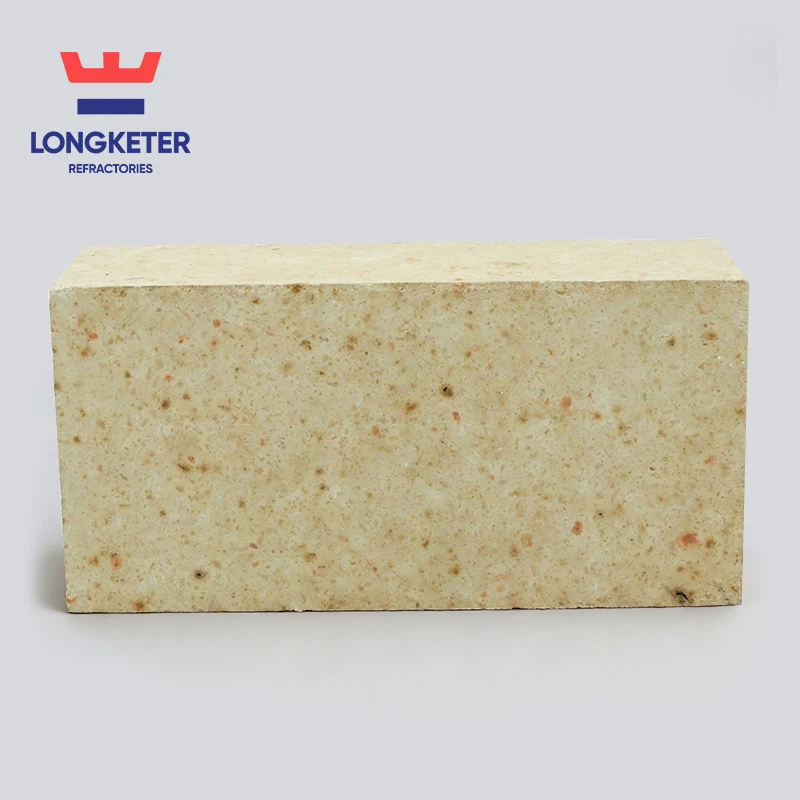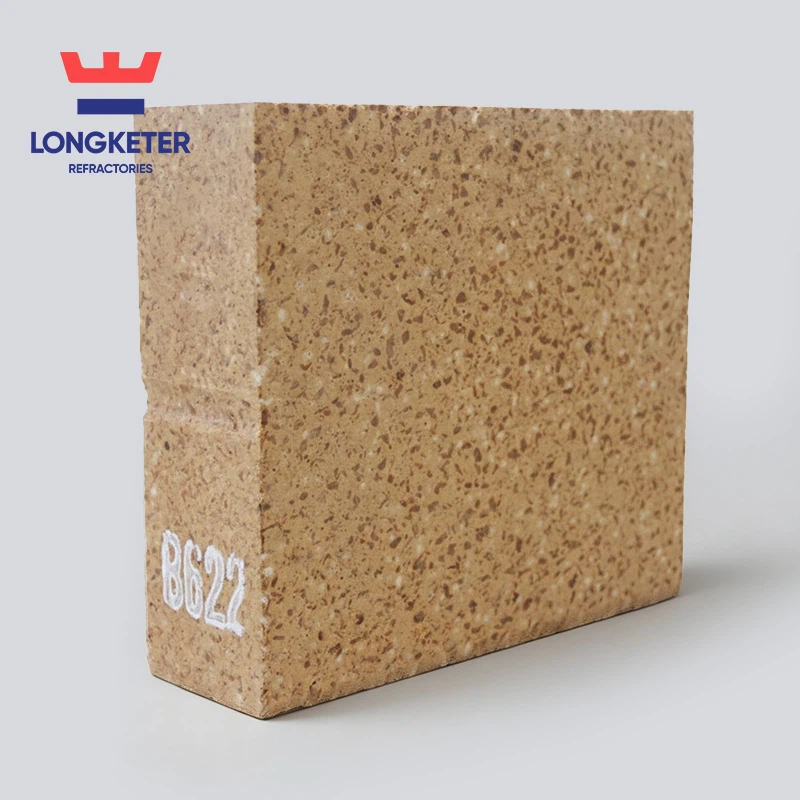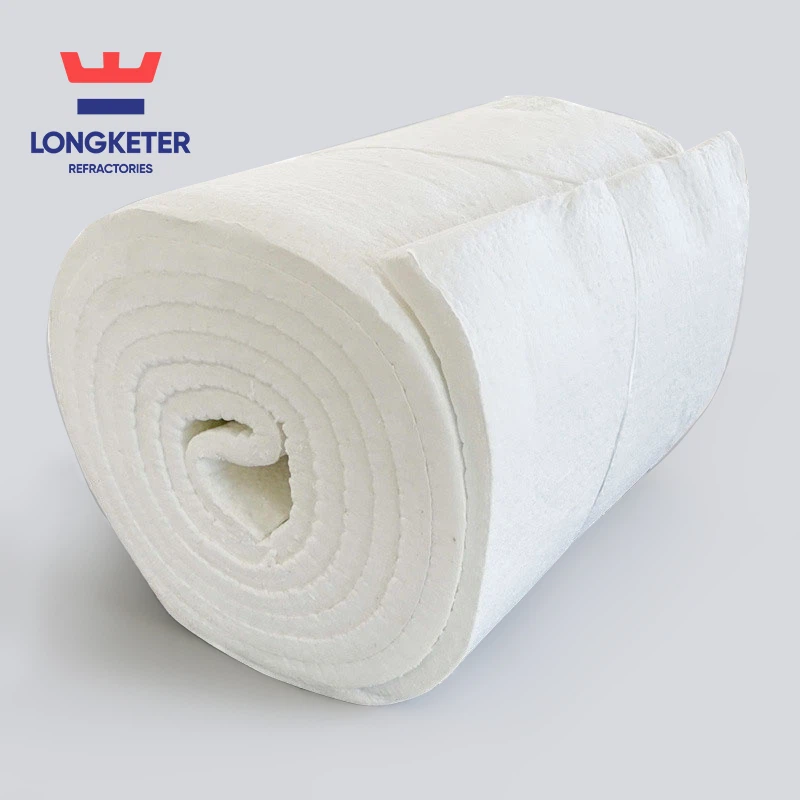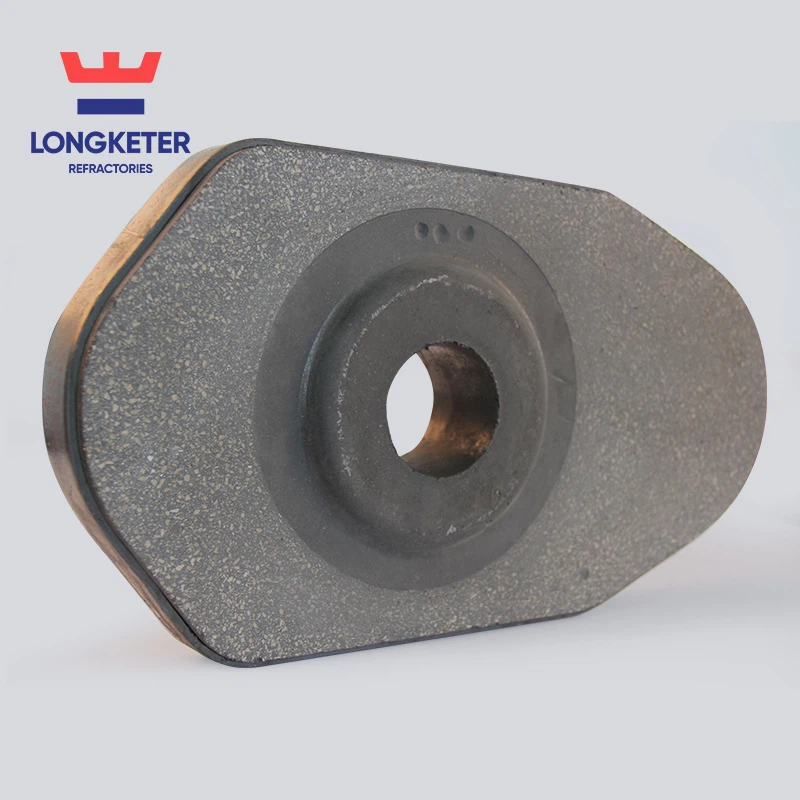
Longketer Refractories introduces durable refractory solutions designed for extreme thermal environments
With the continuous development of high-temperature industries, the demand for reliable refractory materials with longer service life and improved thermal stability is increasing. Magnesia Spinel Bricks are becoming an important choice for industrial kilns and furnaces due to their excellent resistance to thermal shock, slag corrosion, and high-temperature deformation. Designed for demanding operating conditions, these refractory bricks provide stable performance in cement kilns, steelmaking furnaces, and other thermal processing equipment.
As a professional refractory manufacturer, Longketer Refractories focuses on developing high-performance refractory solutions that help industrial customers improve furnace efficiency, reduce maintenance frequency, and extend lining service life.
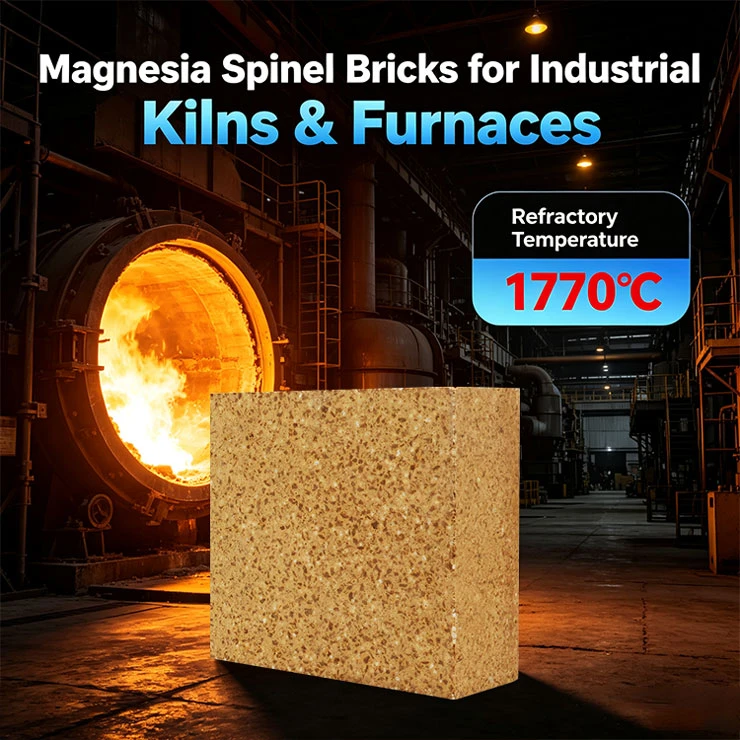
Growing Demand for Advanced Refractory Materials in High Temperature Industries
Industrial production environments continue to push furnace linings to higher limits. Modern kilns and furnaces often operate under repeated heating and cooling cycles, aggressive chemical reactions, and continuous mechanical stress.
Traditional refractory materials may experience problems such as:
·Rapid thermal damage caused by temperature fluctuations
·Structural weakening under chemical attack
·Shortened lining lifetime due to slag penetration
·Increased maintenance costs caused by frequent replacement
To address these challenges, manufacturers are increasingly adopting advanced refractory solutions. Among them, Magnesia Spinel Bricks for Industrial Kilns have gained attention because of their balanced combination of strength, corrosion resistance, and thermal stability.
The addition of spinel phase improves the microstructure of magnesia-based refractories, helping the bricks maintain integrity even under severe operating conditions.
What Makes Magnesia Spinel Bricks Suitable for Industrial Applications?
Magnesia Spinel Bricks are manufactured using high-quality magnesia materials combined with synthetic or in-situ formed spinel components. This composition provides unique advantages compared with conventional refractory products.
1. Excellent Thermal Shock Resistance
Industrial furnaces frequently experience rapid temperature changes during operation, shutdown, and restart processes.
The optimized structure of magnesia spinel refractory materials helps absorb thermal stress and reduces the risk of cracking or peeling.
For operators, this means:
·More stable furnace operation
·Reduced unexpected downtime
·Longer refractory replacement cycles
This characteristic makes High Temperature Magnesia Spinel Bricks suitable for equipment exposed to repeated thermal cycling.
2. Strong Resistance Against Slag Corrosion
In many industrial furnaces, molten materials and alkaline slag can gradually penetrate refractory linings.
Magnesia spinel materials provide excellent chemical stability, reducing corrosion caused by aggressive furnace environments.
Typical applications include:
·Cement rotary kiln transition zones
·Burning zones
·Steelmaking thermal equipment
·Non-ferrous metal processing furnaces
The improved corrosion resistance helps maintain furnace geometry and supports consistent production quality.
3. High Mechanical Strength at Elevated Temperatures
Refractory bricks must maintain structural strength while operating under extreme heat.
Magnesia Spinel Bricks feature:
·High refractoriness
·Good load-bearing capability
·Stable volume performance
·Resistance to deformation
These properties allow them to perform reliably in large industrial furnace systems where continuous operation is required.
Application Areas of Magnesia Spinel Refractory Bricks
Different industries require different refractory performance standards. Due to their excellent high-temperature characteristics, magnesia spinel refractory products are widely used in several fields.
Cement Kilns
Cement production represents one of the largest application markets for magnesia spinel materials.
In cement rotary kilns, refractory linings must withstand:
·Temperatures above 1400°C
·Chemical reactions from clinker materials
·Mechanical stress from continuous rotation
Magnesia Spinel Refractory Bricks for Cement Kilns are commonly applied in critical areas such as:
·Burning zones
·Transition zones
·Cooling sections
Compared with traditional magnesia bricks, spinel-containing structures provide improved adaptability to thermal cycling.
Steelmaking Furnaces
Steel production requires refractory materials capable of handling extreme temperatures and chemical environments.
Magnesia spinel bricks can be applied in:
·Heat treatment furnaces
·Secondary refining equipment
·High-temperature furnace linings
Their resistance to erosion and thermal stress helps steel producers maintain stable operations.
Glass and Non-Ferrous Metal Industries
Glass melting furnaces and non-ferrous metal furnaces also require reliable refractory lining systems.
The advantages of magnesia spinel materials include:
·Resistance to chemical corrosion
·Stable performance under continuous heating
·Long-term structural reliability
These features make them suitable for applications where furnace availability directly affects production efficiency.
Longketer Refractories Develops Reliable Furnace Lining Solutions
As industrial requirements become more demanding, refractory manufacturers must provide products that combine material performance with practical operating experience.
Longketer Refractories focuses on refractory research, manufacturing processes, and customized solutions for different furnace conditions.
By optimizing:
·Raw material selection
·Brick forming technology
·High-temperature firing processes
·Quality inspection procedures
Longketer helps customers achieve more durable furnace lining systems.
Each application requires different refractory characteristics. Factors such as operating temperature, chemical environment, mechanical load, and furnace design must be considered before selecting suitable refractory materials.
How to Select the Right Magnesia Spinel Bricks?
Choosing suitable refractory bricks requires evaluating several important factors.
Operating Temperature
Different furnaces operate under different thermal conditions. The refractory grade should match the actual temperature requirements.
Chemical Environment
The interaction between slag, raw materials, and refractory lining directly affects service life.
Thermal Cycling Conditions
Frequent heating and cooling require materials with strong thermal shock resistance.
Furnace Structure
Different zones of the same furnace may require different refractory solutions.
Professional refractory suppliers usually provide technical recommendations based on actual operating data rather than simply supplying standard products.
Future Development Trends of Magnesia-Based Refractory Materials
With industries moving toward higher efficiency and lower maintenance costs, refractory technology continues to evolve.
Future trends include:
·Improved energy efficiency through longer-lasting furnace linings
·More environmentally responsible refractory production
·Customized refractory solutions for specific applications
·Advanced material structures with enhanced corrosion resistance
The demand for reliable refractory materials will continue growing as industries seek safer and more efficient high-temperature production processes.
Conclusion: Magnesia Spinel Bricks Provide Long-Term Value for Industrial Furnaces
High-temperature industries require refractory materials that can withstand extreme conditions while maintaining stable performance. Magnesia Spinel Bricks provide a practical solution through their excellent thermal shock resistance, corrosion resistance, and high-temperature strength.
For cement plants, steel producers, and other industrial furnace operators, selecting the right refractory lining material is essential for improving operational stability and reducing maintenance costs.
Longketer Refractories continues to provide customized refractory solutions to support global industries with durable and reliable high-temperature materials.