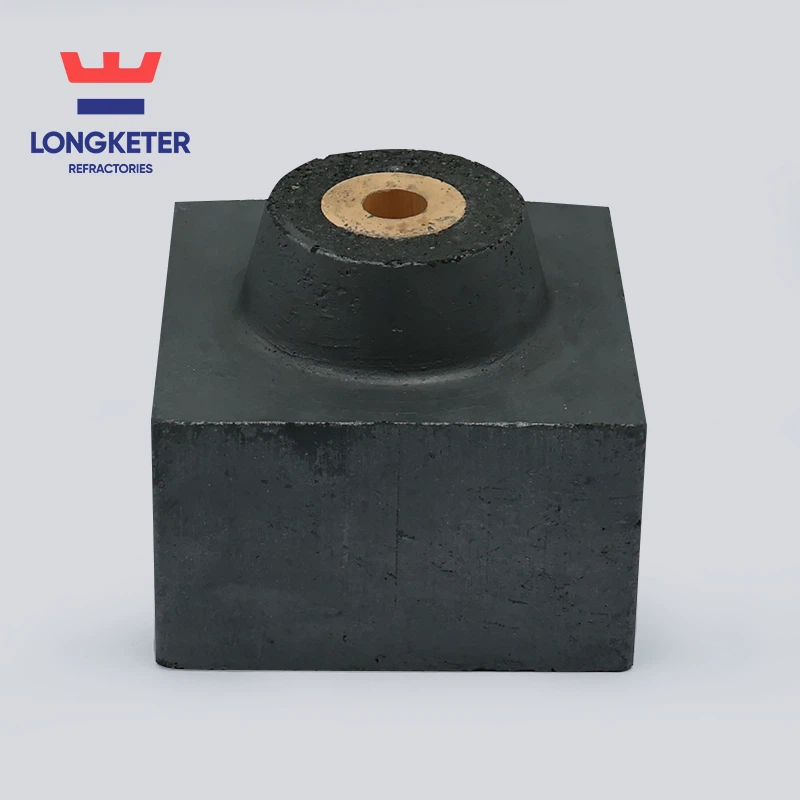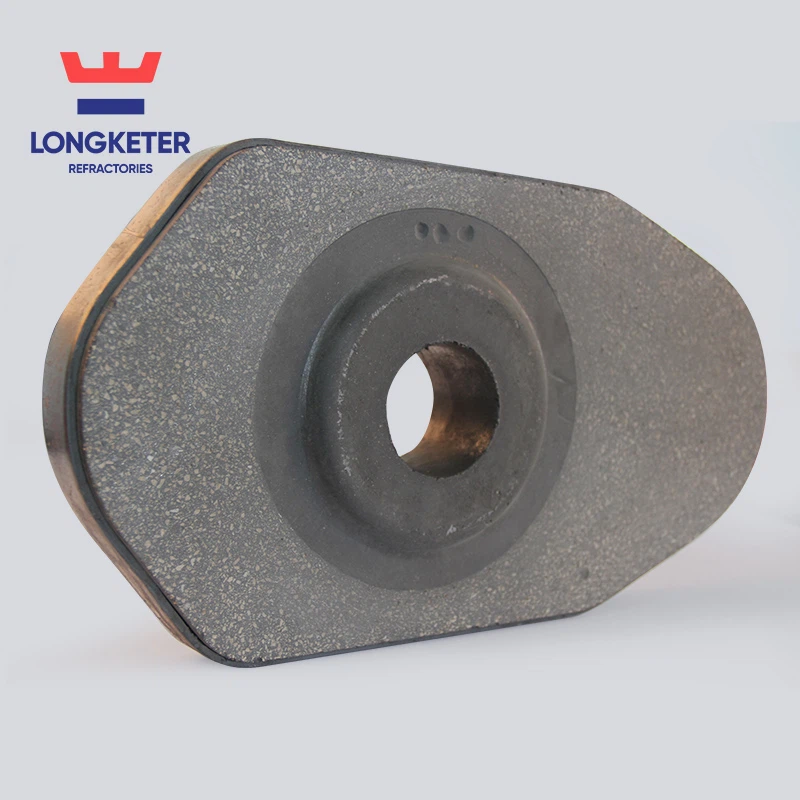
Magnesia chrome bricks are refractory products with magnesium oxide (MgO) and chromium trioxide (Cr2O3) as the main components, and periclase and spinel as the main mineral components.
This type of brick has high refractory resistance,high-temperature strength, strong resistance to alkaline slag erosion, excellent thermal stability, and certain adaptability to acidic slag. The main raw materials for manufacturing magnesia chrome bricks are sintered magnesia and chromite. The purity of magnesia raw materials should be as high as possible. The chemical composition requirements of chromite are: Cr2O3: 30~45%, CaO: ≤1.0~1.5%.
Production Process
The loosening effect caused by the expansion of iron oxides when they react to form spinel can also be made from synthetic co-sintered materials to make magnesia-chromium bricks. In addition, there are unburned magnesia chromium bricks, such as unburned magnesia chromium bricks combined with inorganic magnesium salt solution. The production process of unfired magnesia chrome bricks is simple, low cost and good thermal stability, but its high temperature strength is far less than that of fired bricks. A so-called "direct bond" magnesia-chromium brick was previously developed. The characteristics of this kind of brick are pure raw materials, high firing temperature, direct combination of high-temperature phases such as periclase and spinel, and island-like distribution of low-melting phases such as silicate. Therefore, the high-temperature resistance of the brick is significantly improved. Strength and slag resistance.
The method of making bricks by combining the fine powder produced by calcining the chrome ore-magnesia co-grinding compact and the coarse particles of magnesia is an effective measure to eliminate the loosening effect. Compared with ordinary magnesia-chrome bricks, the magnesia-chrome bricks made by this method have lower porosity, higher compressive strength, load softening temperature and flexural strength. Magnesia-chrome bricks made from chrome ore-magnesite powder compacts and synthetic magnesia-chromium sand calcined at high temperatures have better slag resistance and high-temperature strength than other magnesia-chrome bricks.
In addition, there are fused magnesia-chromium bricks that are directly cast from fused magnesia-chromium materials in an electric arc furnace, and magnesia-chromium bricks that are combined with molten particles produced by the brick-making process using fused magnesia-chromium materials.
Application areas
Magnesia-chromium bricks are mainly used in the metallurgical industry, such as building open hearth furnace tops, electric furnace tops, external refining furnaces and various non-ferrous metal smelting furnaces. The high-temperature part of the ultra-high-power electric furnace wall is made of fused magnesia-chromium bricks, the high-erosion area of the refining furnace outside the furnace is made of magnesia-chromium bricks made of synthetic materials, and the high-erosion area of the non-ferrous metal flash smelting furnace is made of fused-cast magnesia-chromium bricks and synthetic materials. Made of magnesia chrome bricks. In addition, magnesia-chrome bricks are also used in the firing zone of cement rotary kilns and the regenerator of glass kilns.