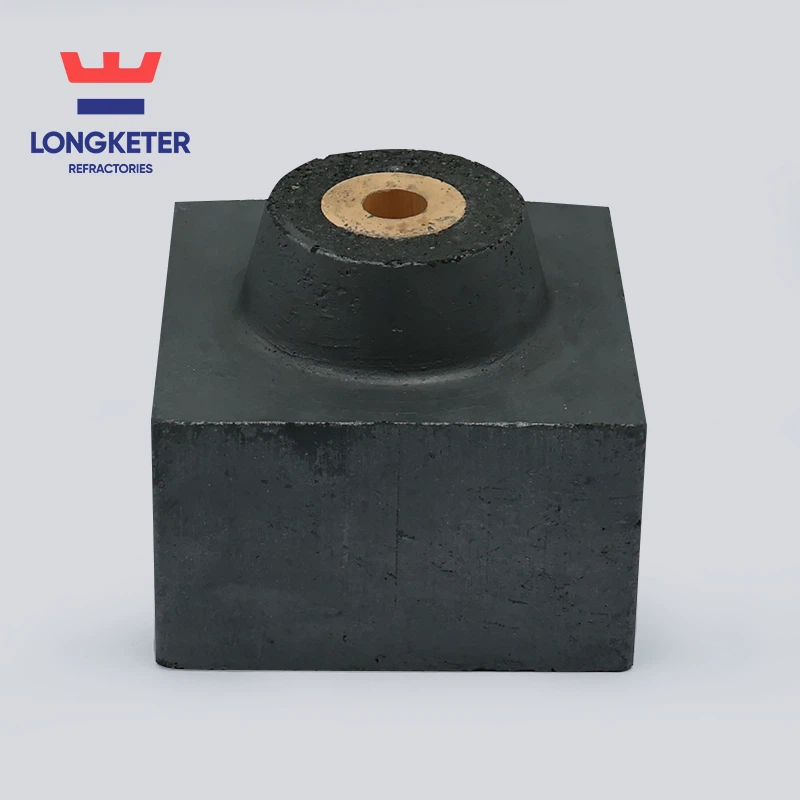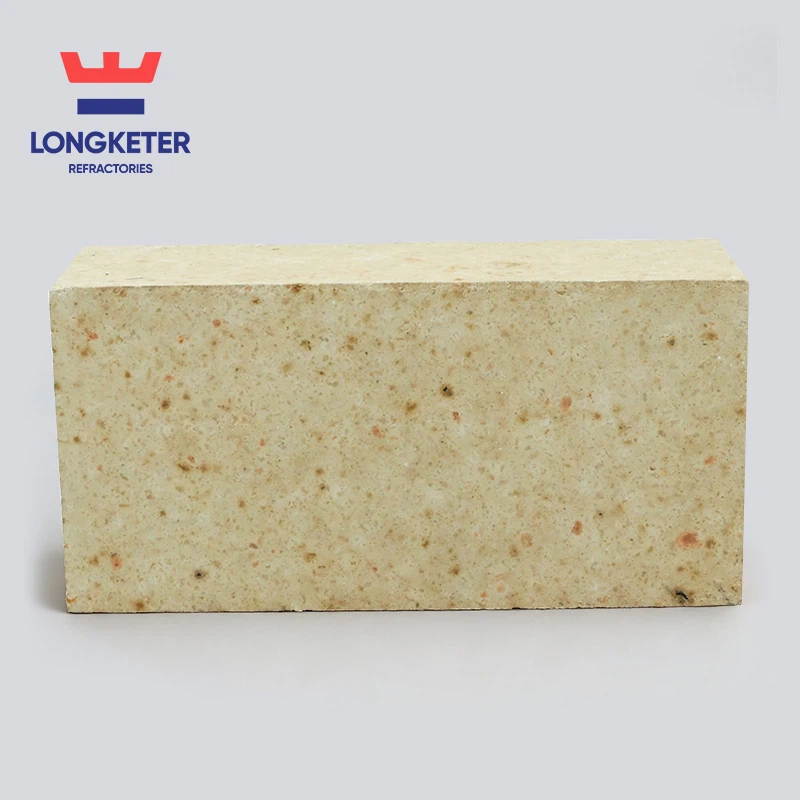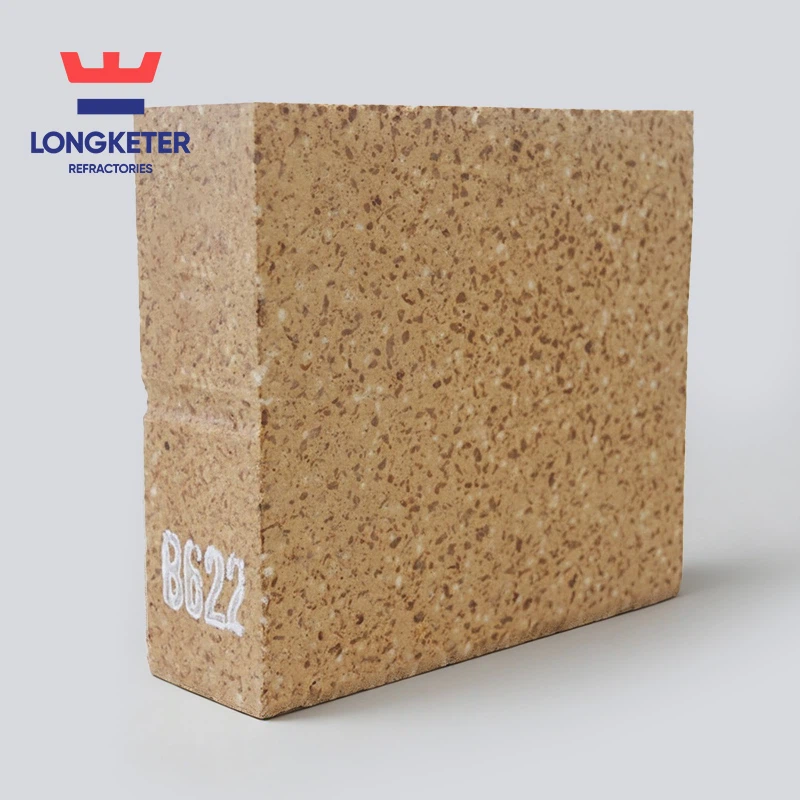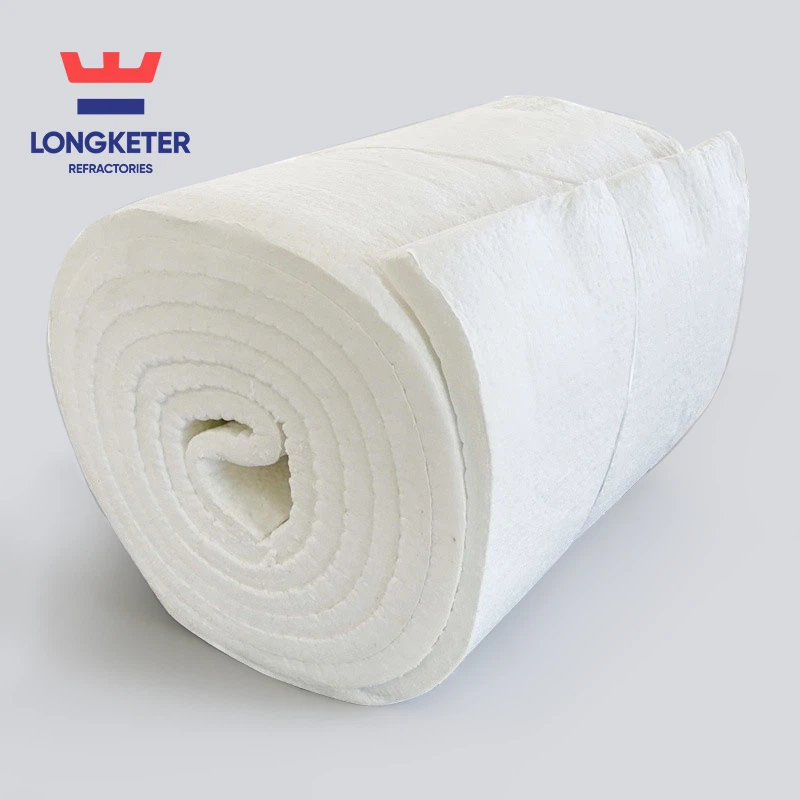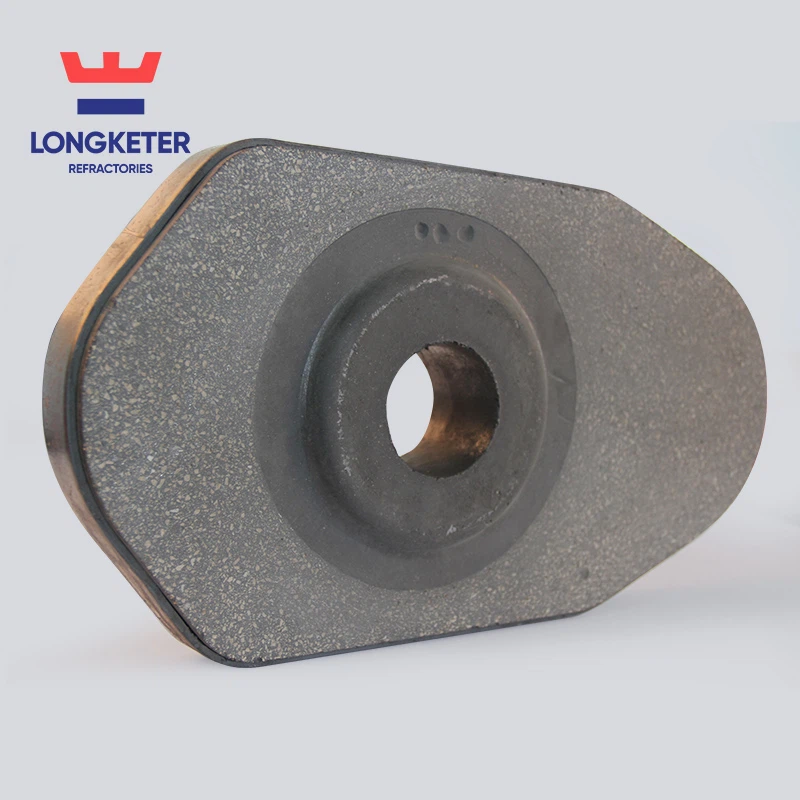
In the energy-intensive cement manufacturing industry, rotary kilns serve as core equipment, often operating at temperatures exceeding 1400°C. The selection of lining materials directly impacts production efficiency, energy consumption, and equipment lifespan. Magnesia bricks for cement kilns, with their excellent high-temperature resistance, resistance to chemical erosion, and superior thermal conductivity, have become the reliable refractory choice for rotary kilns and are widely used in global cement production lines.

What Are Magnesia Bricks for Cement Kilns?
Magnesia bricks are alkaline refractory materials, typically containing 85% to 97% magnesium oxide (MgO). They are manufactured through high-temperature sintering or electric fusion processes, resulting in a dense structure and high mechanical strength. This enables them to effectively withstand high temperatures, thermal shocks, and chemical erosion from materials like clinker and lime inside the rotary kiln.
As the primary material for rotary kiln refractory linings, magnesia bricks not only ensure the structural stability of the kiln under extreme operating conditions but also significantly reduce the risk of downtime caused by refractory material failure. They are a crucial guarantee for cement plants to achieve continuous and efficient production.
Core Advantages of Magnesia Bricks in Cement Kilns
1.Excellent High-Temperature Resistance
Even in environments exceeding 1400°C, magnesia bricks maintain their structural integrity, resisting softening or deformation, which greatly extends the service life of the kiln lining.
2.Outstanding Resistance to Chemical Erosion
Alkaline salts, clinker dust, and lime inside the kiln can easily erode refractory materials. With their high MgO content, magnesia bricks offer excellent resistance to alkali attack, effectively protecting the kiln shell from chemical corrosion.
3.High Thermal Conductivity for Improved Energy Efficiency
The superior thermal conductivity of magnesia bricks facilitates uniform heat transfer within the kiln, optimizes fuel combustion efficiency, reduces energy consumption, and stabilizes clinker quality.
4.High Mechanical Strength and Wear Resistance
The continuous rotation of the rotary kiln and material flow create significant mechanical stress. Magnesia bricks are structurally robust and wear-resistant, suitable for long-term continuous operation.
5.Significant Long-Term Economic Benefits
Although the initial investment may be higher than some other refractory materials, the durability and low maintenance requirements of magnesia bricks reduce replacement frequency and downtime losses, resulting in substantial life-cycle cost savings.
Main Application Areas of Magnesia Bricks in Cement Plants
·Rotary Kiln Lining: The key area directly exposed to high temperatures and chemical erosion.
·Transition Zone: Withstands sudden temperature changes and material impact; magnesia bricks excel in thermal shock resistance here.
·Burning Zone: The hottest section of the kiln relies on magnesia bricks for thermal stability and erosion protection.
·Cooler and High-Temperature Zones: Assists the heat recovery system, improving overall energy efficiency.
Why Do Cement Plants Prefer Magnesia Bricks?
·Adaptability to Harsh Conditions: Compared to acidic refractories, magnesia bricks are more resistant to the alkaline environment common in cement kilns, leading to a longer service life.
·Improved Kiln Operational Rate: High thermal conductivity promotes efficient heat utilization, reduces heat loss, and enhances system productivity.
·Reduced Maintenance Frequency: Excellent durability means fewer kiln shutdowns for repairs, ensuring smooth execution of production schedules.
Common Types of Magnesia Bricks for Cement Kilns
·Sintered Magnesia Bricks: Produced by high-temperature sintering, they offer balanced heat resistance and strength, suitable for most kiln zones.
·Electro-Fused Magnesia Bricks: Made by melting in an electric arc furnace, they achieve higher density and erosion resistance, often used in severely erosive areas.
·Magnesia-Spinel Bricks: The addition of spinel (MgAl₂O₄) enhances thermal shock resistance, making them particularly suitable for transition and burning zones with significant temperature fluctuations.
Key Points for Installation and Maintenance
Successful kiln lining performance depends on proper design, professional installation, and regular monitoring:
·Lining Design: Must account for thermal expansion and mechanical stress to avoid cracking and spalling.
·Professional Installation: Joint control, alignment accuracy, and the use of refractory mortar all affect overall sealing and lifespan.
·Regular Inspections: Using infrared thermography and visual checks to detect signs of wear early allows for planned preventive maintenance.
How to Choose a High-Quality Magnesia Brick Supplier?
When selecting a refractory materials partner, consider the following:
·Material Quality: High-purity MgO, uniform density, and precise dimensions are the foundation of performance.
·Technical Support: Suppliers should provide lining design, installation guidance, and maintenance recommendations.
·Industry Experience: Suppliers familiar with rotary kiln processes and the conditions of various zones can offer better-matched solutions.
Conclusion
Magnesia bricks for cement kilns, with their excellent high-temperature stability, resistance to chemical corrosion, and thermal conductivity, have become indispensable refractory materials in the modern cement industry. The proper selection and scientific maintenance of magnesia brick linings can not only improve rotary kiln operational efficiency and clinker quality but also significantly reduce long-term operating costs, helping cement plants achieve sustainable production.
LONGKETER REFRACTORIES
As a professional provider of refractory material solutions, we specialize in the R&D and production of magnesia bricks for cement kilns and various alkaline refractory products. We offer comprehensive services from selection and design to installation support, helping global cement enterprises optimize kiln operation and enhance production efficiency. For more information, please feel free to contact us.