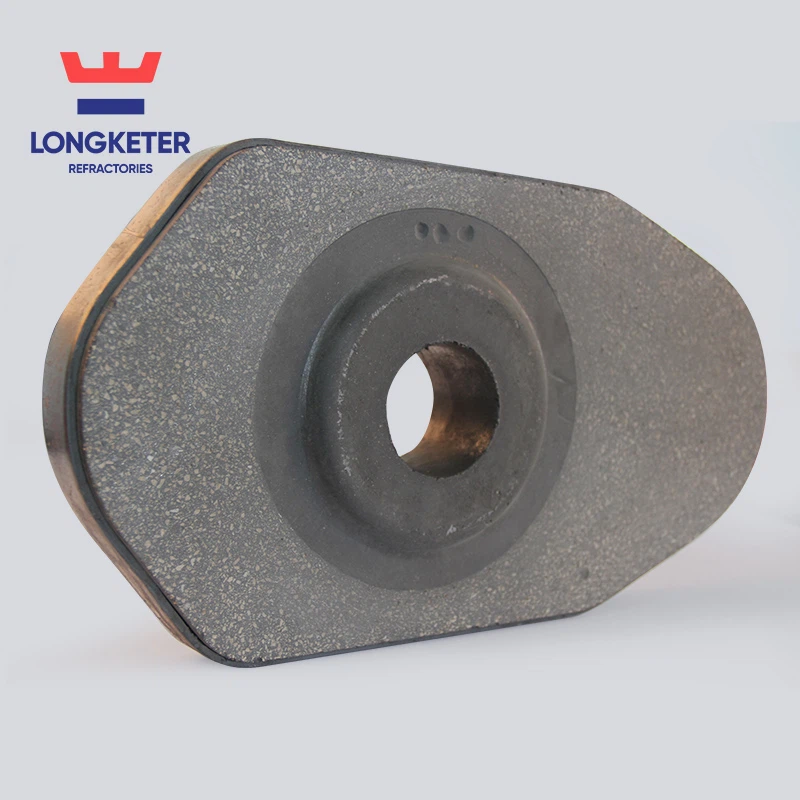
For integrated steel mills and continuous casting foundries struggling with frequent ladle bottom refractory breakdown, the ladle well block acts as the critical load-bearing core component that directly determines ladle service life. Also widely named seating block in global refractory trade, this shaped refractory brick sits at the bottom of steel ladles, electric arc furnaces, converters and tundishes, enduring direct long-term contact with high-temperature molten steel and corrosive furnace slag. In 2026, global steel manufacturers are shifting to high-performance alumina-based ladle well block formulas to cut refractory replacement costs by 30% on average, according to refractory engineering data released by Longketer Refractory, a China-based professional shaped refractory manufacturer with 18 years of steelmaking refractory production experience.
Steel plant procurement engineers previously shared a common pain point: ordinary low-grade seating blocks crack under sudden temperature swings or get washed away by molten slag within just 20 heats, halting whole production lines for 2–4 hours during emergency maintenance. The upgraded ladle well block developed by domestic refractory factories solves this industry bottleneck through optimized raw material blending and integrated pre-firing processing, which we will break down in detail in the following industry report.

What Is Ladle Well Block (Seating Block) & Core Working Scenarios
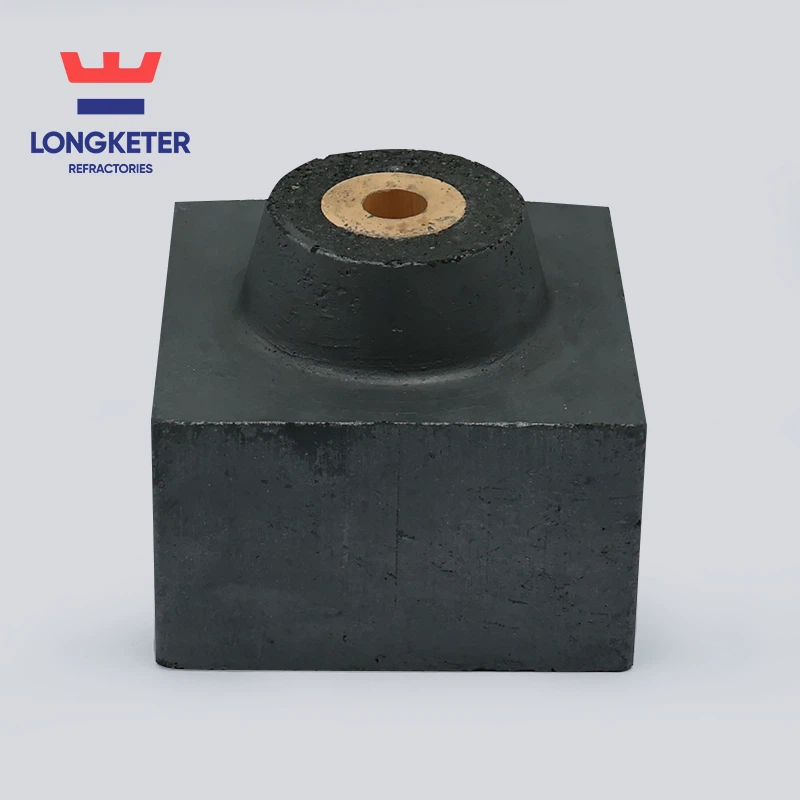
Many new purchasers in the metallurgical industry confuse ladle well block with standard castable refractory or straight refractory bricks. Unlike flat general refractory blocks, a standard ladle well block features a reserved central through-hole, reserved for ladle slide gate assembly installation. This structural design makes it irreplaceable for controlling molten steel outflow speed during continuous casting.
Full Application Range of Customized Ladle Well Block for Steel Ladle Bottom
The full application scope of seating block covers nearly all mainstream steelmaking equipment, matching the production demands of small alloy steel plants and large integrated steel groups alike:
1.Oxygen top-blown converter bottom: Bear impact from high-speed molten steel pouring, require strong anti-slag penetration performance;
2.Electric arc furnace tapping outlet: Endure repeated rapid cooling and heating, demanding outstanding thermal shock stability;
3.Carbon steel & alloy steel ladle bottom: The most common usage scenario, where customized ladle well block for steel ladle bottom dominates bulk export orders in 2026;
4.Continuous casting tundish bottom: Small-size lightweight seating block variants for thin slab casting lines.
Field test data from a Shandong local medium steel plant shows: After switching from ordinary clay seating blocks to high alumina ladle well block, the ladle maintenance cycle extended from 28 heats to 76 heats, drastically reducing unplanned downtime. This real factory case adds practical credibility to the performance advantages of high-grade seating blocks, a key detail many generic refractory articles fail to include.
Three Core Performance Advantages of Premium Ladle Well Block
When overseas buyers screen molten slag resistant ladle well block for tundish, three core physical indicators become the primary judging standard, all clearly marked on official refractory inspection reports from qualified manufacturers like Longketer Refractory. Each performance metric targets a long-standing production pain point in steelmaking.
1. Excellent Thermal Shock Stability to Avoid Sudden Brick Cracking
Rapid temperature fluctuation is the top killer of ladle bottom refractories. When empty ladles cool to ambient temperature then instantly receive 1600℃+ molten steel, low-quality seating blocks will produce penetrating cracks under thermal stress, triggering molten steel leakage safety hazards. High-end ladle well block adopts fused corundum and tabular alumina as primary aggregates, matched with micro-powder binder additives. Internal microscopic structure forms uniform tiny pores to buffer thermal expansion and contraction. On-site metallurgical test results record that premium seating blocks can withstand more than 80 cycles of 1500℃ rapid cold-hot alternation without crack propagation, far exceeding the 25-cycle standard of low-cost ordinary bricks.
2. Outstanding Antioxidant Properties for Long-Term High-Temperature Service
Inside steel ladles, reducing atmosphere formed by molten steel carbonization easily oxidizes unprotected refractory raw materials, causing brick surface pulverization and layer-by-layer peeling. The excellent antioxidant properties built into standard ladle well block rely on special carbon composite coating treatment during production. Unlike uncoated generic refractory blocks, finished seating blocks receive a uniform anti-oxidation coating before leaving the factory. This thin isolation film blocks contact between refractory matrix and reducing gas inside the ladle, slowing down oxidation loss during continuous high-temperature operation. For steel plants running 24-hour non-stop casting lines, this advantage directly cuts monthly refractory procurement frequency.
3. Superior Erosion Resistance Against Molten Steel & Corrosive Slag
Molten steel and molten furnace slag carry strong chemical corrosion and mechanical scouring force. Basic slag generated during steel smelting easily erodes siliceous low-grade refractory, dissolving brick surfaces rapidly. Molten slag resistant ladle well block for tundish and ladle bottom adopts high-purity alumina raw materials with low silica content. The compact dense firing structure prevents slag liquid from penetrating internal brick layers. An export case to a Southeast Asian steel mill last quarter recorded that their imported high alumina seating blocks only lost 3mm thickness after 70 continuous heats, while previous ordinary blocks wore down 12mm under identical working conditions.
Customization & Supply Chain Advantages for Global Buyers of Ladle Well Block
Global steel plant buyers split into two core demand groups: mass production steelworks requiring bulk standardized seating blocks, and special alloy foundries needing non-standard shaped customized ladle well block for steel ladle bottom. Qualified refractory manufacturers need to cover both demand types to serve global metallurgical clients stably.
Full Customization Support for Non-Standard Steel Ladle Specifications
Every steel mill's ladle volume, slide gate model and tundish size differ slightly, leading to non-uniform seating block dimensional requirements. Professional refractory factories provide full customization services including:
·Custom external block size, central hole diameter and hole depth according to client ladle drawings;
·Raw material formula adjustment: high alumina, corundum-carbon, magnesia-alumina series ladle well block options based on smelting steel grade;
·Special surface processing: enhanced anti-oxidation coating, anti-scouring reinforced layer for high-slag smelting environments.
Many small overseas foundries previously faced trouble finding suppliers accepting small-batch customized refractory orders, as most large refractory factories only accept full container standardized brick orders. Manufacturers with complete shaping workshops fill this market gap by supporting mixed small batch customized ladle well block production, even for trial orders under 1 ton.
Stable Sufficient Supply for Bulk Steel Plant Procurement
Large integrated steel groups with annual steel output above 1 million tons demand monthly seating block supply measured by hundreds of tons. Sufficient supply capacity becomes a core screening condition for long-term supplier cooperation. Modern refractory production lines integrate automatic batching, high-pressure brick pressing and tunnel kiln firing equipment, achieving daily ladle well block output over 80 tons. Raw material stockpiles of tabular alumina, fused corundum and carbon powder maintain 3-month inventory reserves, avoiding delivery delays caused by raw material market price fluctuations or supply chain logistics disruptions. For cross-border B2B buyers, stable stock also supports flexible shipping arrangements: full container sea freight bulk shipments for large steel groups, and LCL mixed container delivery for small foundry trial orders, matching diverse global logistics demands.
2026 Global Market Trend for Ladle Well Block
Metallurgical refractory industry research institutions released mid-year 2026 steelmaking refractory market analysis, pointing out three clear trends driving growing demand for high-performance seating blocks worldwide.
First, global carbon neutrality policies push steel enterprises to upgrade energy-saving refractory materials. High-durability ladle well block reduces frequent ladle maintenance downtime, cutting overall steel plant power and fuel consumption from repeated ladle heating. European and North American steel mills take the lead in phasing out low-life clay seating blocks, with import orders for alumina-based ladle well block rising 41% year-on-year in Q1 2026.
Second, emerging market steel capacity expansion boosts bulk refractory import demand. Southeast Asia, Central Asia and Latin America continuously launch new continuous casting production lines, and local domestic refractory manufacturers lack mature shaped seating block production technology. These regions become core export markets for China's professional refractory factories supplying molten slag resistant ladle well block for tundish and ladle bottom.
Third, buyers shift focus from low unit price to full life-cycle cost control. Previously many small foundries prioritized cheap low-grade seating blocks, yet repeated emergency maintenance and production line shutdowns created hidden costs far higher than refractory material expenses. In 2026, procurement engineers now calculate total comprehensive cost including service life, maintenance labor and production loss, accelerating replacement with premium long-life ladle well block products.
Practical Guide for Global Buyers to Select Qualified Ladle Well Block
To help overseas metallurgical purchasers avoid low-quality seating block supply risks, our refractory engineering team sorts out four actionable screening tips accumulated from 18 years of export service.
1.Confirm raw material inspection reports before placing orders Ask suppliers to provide third-party physical and chemical testing reports, focusing on alumina content, apparent porosity and thermal shock resistance indicators. Low-quality ladle well block often cuts costs by mixing excessive clay powder, leading to drastically shortened service life.
2.Match formula grade to actual smelting working conditions Carbon steel ladles can select standard high-alumina seating blocks; alloy steel furnaces with high basic slag need corundum-carbon composite ladle well block; tundish thin-slab casting lines apply lightweight customized ladle well block for steel ladle bottom with fine anti-slag coating.
3.Verify factory customization and firing capacity Request factory workshop videos and finished product samples to check brick compactness and surface coating uniformity. Refractory blocks fired in shuttle kilns often have unstable internal density, while tunnel kiln fired ladle well block maintains consistent performance per batch.
4.Evaluate supplier after-sales technical service Top-tier refractory manufacturers provide free on-site installation guidance drawings and post-delivery usage technical support. When abnormal cracking or erosion occurs during on-site operation, professional suppliers send metallurgical engineers to analyze working condition adjustments and formula optimization plans, a service most small trading companies cannot offer.
Confirm raw material inspection reports before placing orders Ask suppliers to provide third-party physical and chemical testing reports, focusing on alumina content, apparent porosity and thermal shock resistance indicators. Low-quality ladle well block often cuts costs by mixing excessive clay powder, leading to drastically shortened service life.
Match formula grade to actual smelting working conditions Carbon steel ladles can select standard high-alumina seating blocks; alloy steel furnaces with high basic slag need corundum-carbon composite ladle well block; tundish thin-slab casting lines apply lightweight customized ladle well block for steel ladle bottom with fine anti-slag coating.
Verify factory customization and firing capacity Request factory workshop videos and finished product samples to check brick compactness and surface coating uniformity. Refractory blocks fired in shuttle kilns often have unstable internal density, while tunnel kiln fired ladle well block maintains consistent performance per batch.
Evaluate supplier after-sales technical service Top-tier refractory manufacturers provide free on-site installation guidance drawings and post-delivery usage technical support. When abnormal cracking or erosion occurs during on-site operation, professional suppliers send metallurgical engineers to analyze working condition adjustments and formula optimization plans, a service most small trading companies cannot offer.