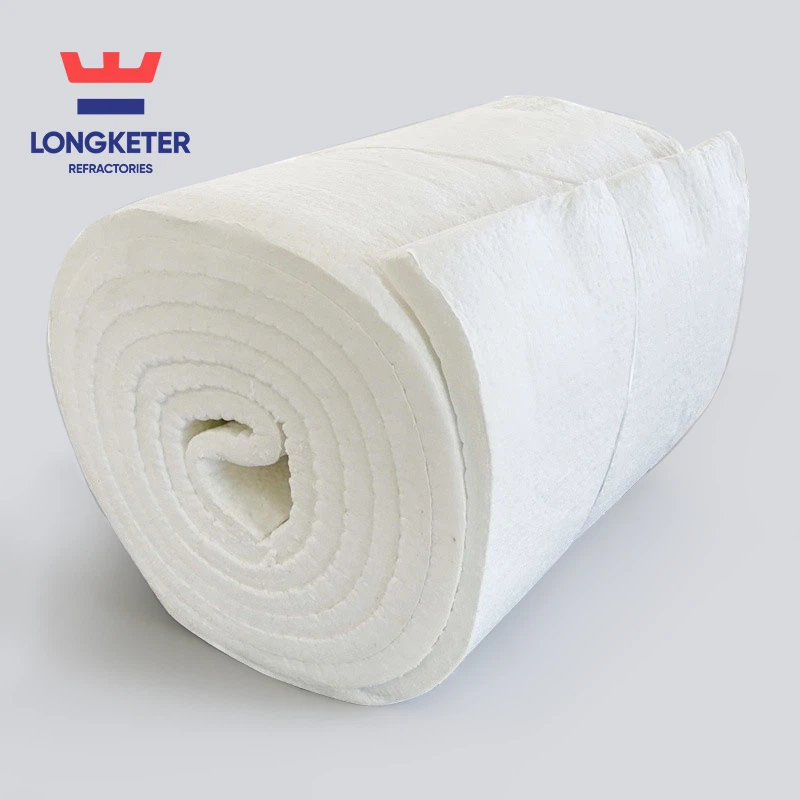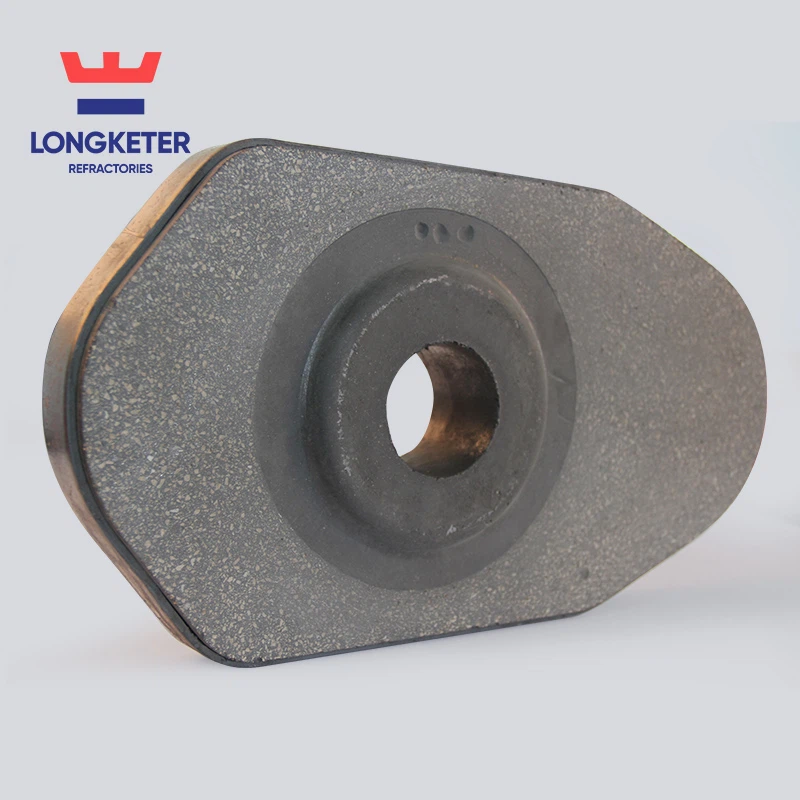
microporous insulation board, that is, with nanoparticles as the core, are composed of refractory material particles, binders, etc. to form a nano-structure matrix. The physical and chemical properties of a very small amount of nano-structure matrix become an important factor determining the performance of the entire refractory material. The rapid thermal expansion and contraction caused by impact can prevent the uneven distribution of thermal stress inside the refractory material, thereby improving the spalling resistance, corrosion resistance and oxidation resistance of the refractory material.
Characteristics of microporous insulation board
1. Prevent the thermal movement of gas molecules.
According to the theory of molecular thermal motion, the heat transfer of gas is mainly through the collision of molecules with higher velocity on the high temperature side to molecules with lower velocity on the low temperature side, and gradually conduct heat transfer. If a series of barriers are established in the direction of the temperature gradient, and the distance between the barriers is less than the average path of gas molecules, and the barriers are closed and close to the vacuum holes, the thermal movement of gas molecules will be effectively prevented.
2. Reduce heat conduction.
The thermal conductivity of nanoporous silicon powder is 0.016~0.024 w/mk, and the microporous insulation board is a super thermal insulation material with relatively low thermal conductivity. Aluminum foil with a thickness of only 6~10 nanometers has a thermal conductivity of 0.038 to 0.042w/m.k, which is a very good heat insulating material.
3. Block heat radiation.
The microporous insulation board is composed of nano-silica and aluminum foil. The multi-layer aluminum foil plays the role of reflecting heat radiation, and the reflectivity is above 87%. The effect of heat radiation.