
With the continuous development of science and technology, people's demand for refractory materials is also getting higher and higher. Refractory materials, as the name suggests, refer to materials that have properties such as non-melting at high temperatures, non-brittleness, thermal shock resistance, corrosion resistance and thermal insulation. It is widely used in metallurgy, construction, ceramics, chemical industry and other fields.
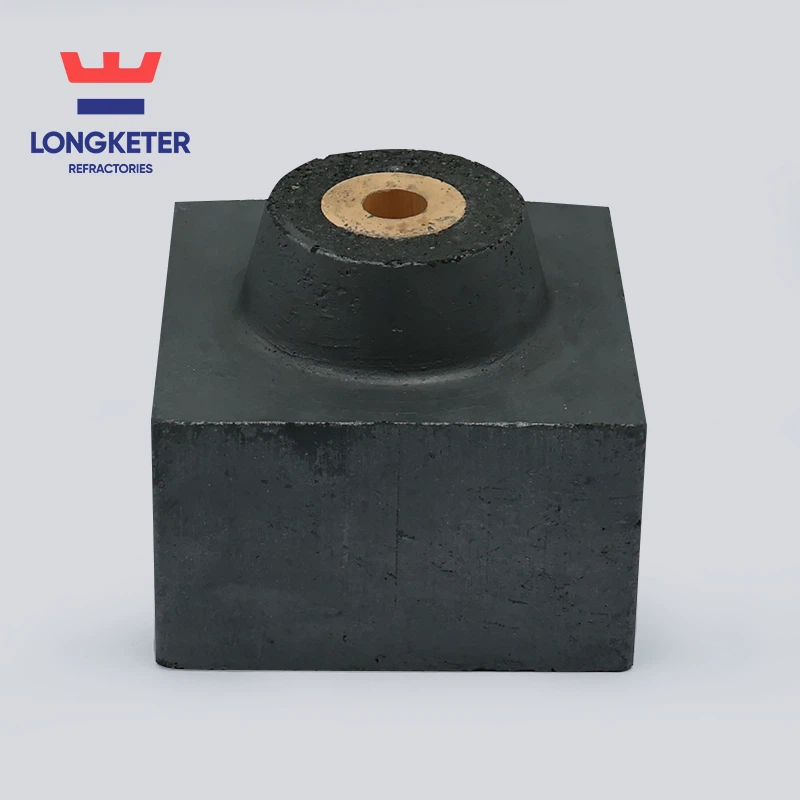
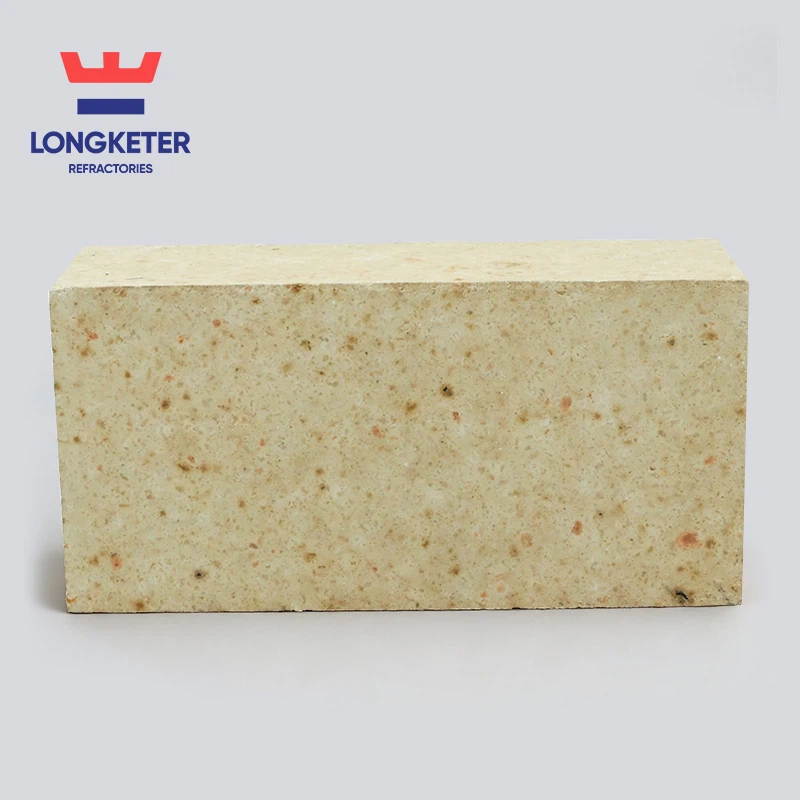
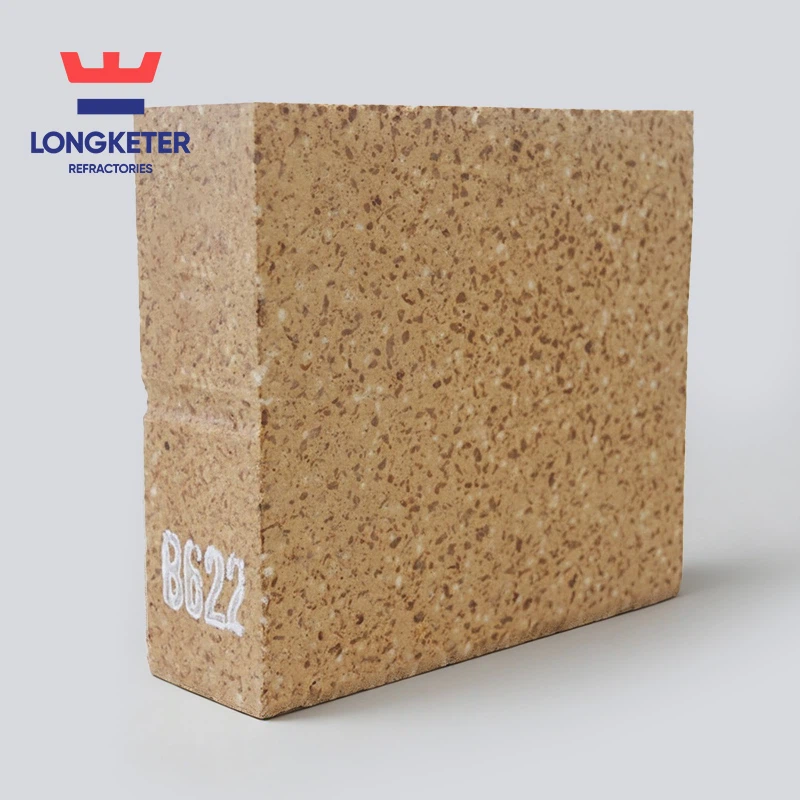
Taking steel as an example, many different refractory materials are used in the steel production process. The most common of these are sintered bricks, synthetic corundum, ferrochromium or magnesia bricks, pressurized aluminum bricks and different types of suspensions and paints.
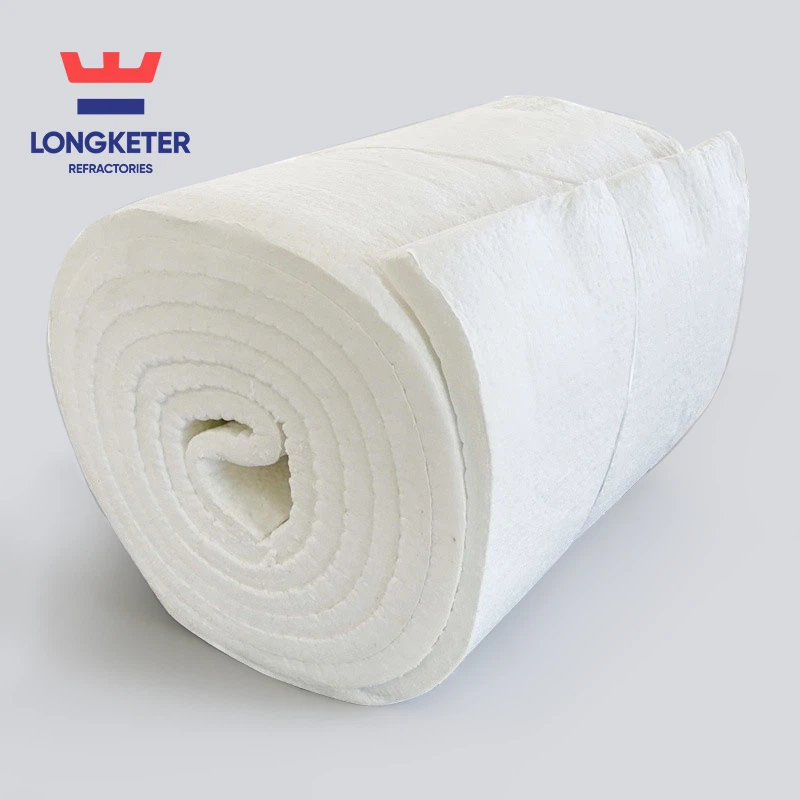
In some construction fields, fire-resistant materials are also needed, such as insulation materials in the basements of high-rise buildings, and various fire door equipment.
In the ceramic industry, refractory materials are also widely used. Firing and sintering ceramic refractory materials can not only reduce fuel consumption, but also reduce pollution emissions.
In terms of chemical environmental protection, refractory materials also need to be applied. The storage and reaction of some chemical substances such as high-concentration acids and concentrated alkali require the use of high-performance acid- and alkali-resistant materials to ensure the safety of chemical reactions.
Refractory materials have a wide range of applications and are closely related to people's lives. In the future, with the continuous advancement of technology, people's requirements for refractory materials will become higher and higher. It is hoped that the refractory materials industry can continue to grow and develop and make greater contributions to economic construction.


Send Inquiry