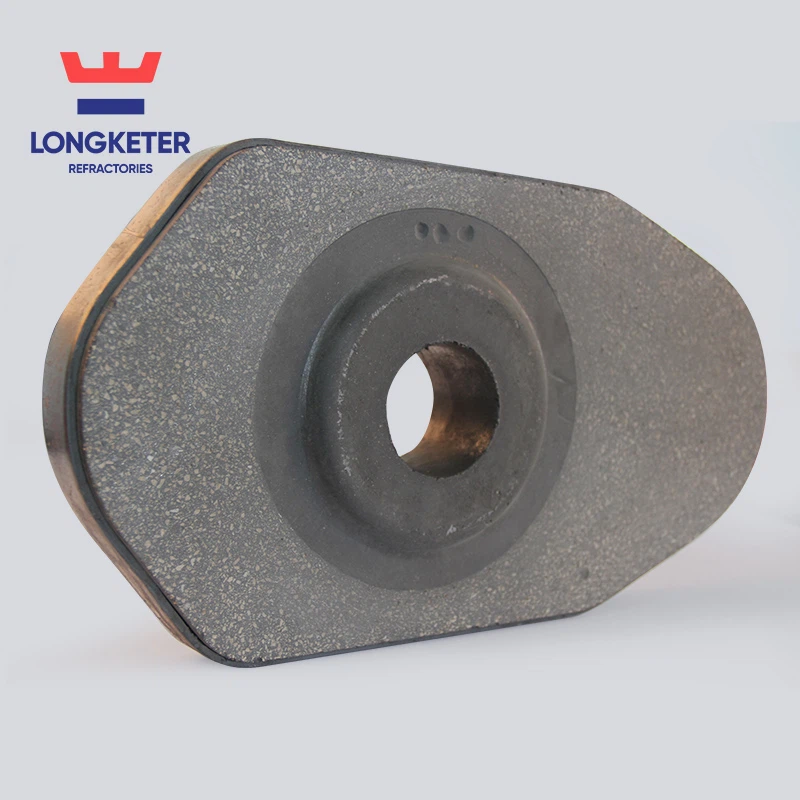
For steel mill procurement teams, choosing the right ramming mass supplier isn't just about cost-it's about protecting your furnace lining from thermal shock, chemical erosion, and unplanned downtime. Poor-quality ramming mass (even a 1% drop in bulk density) can reduce furnace lifespan by 30% . This guide breaks down how to identify reliable refractory ramming mass suppliers and source materials tailored to your furnace needs.

Why Supplier Selection Defines Ramming Mass Performance
Ramming mass is the unsung hero of furnace integrity: it seals gaps between masonry and cooling systems, withstands 1800°C+ temperatures, and resists slag corrosion . But not all suppliers deliver consistent quality. A European steel mill recently faced 12 days of downtime after sourcing silica ramming mass with excessive SiO₂ impurities-costing $400,000 in lost production . The root cause? Choosing a supplier without in-house testing labs.
Key risks of unreliable suppliers:
- Inconsistent granularity (0-6mm specification deviations cause lining weaknesses)
- Subpar binders leading to premature sintering failure
- Non-compliance with industry standards (e.g., ISO 9001 for production control)
4 Non-Negotiable Criteria for Ramming Mass Suppliers
1. Technical Credentials & Certification
Top suppliers prove quality through documentation:
- Material Test Reports (MTRs): Verify key metrics matching your furnace type (e.g., Al₂O₃ ≥86% for induction furnace alumina ramming mass , MgO ≥83% for steelmaking magnesia blends ).
- Third-Party Audits: Prioritize suppliers with SGS or DIN certifications-these confirm compliance with EU/US metallurgical standards .
- Lab Capabilities: Ask if they test bulk density (minimum 3.1 g/cm³ for corundum-based mixes ) and thermal shock resistance (≥20 cycles at 1100°C).
Pro Tip: Avoid suppliers who can't provide batch-specific MTRs-this signals poor quality control.
2. Product Customization for Your Furnace
Ramming mass isn't one-size-fits-all. The best suppliers tailor blends to your equipment:
| Furnace Type | Recommended Ramming Mass Type | Critical Supplier Capability |
| Induction Furnace | Dry alumina-spinel ramming mass | Adjusts MgO content (10-12%) for spinel formation |
| Electric Arc Furnace | Magnesia-carbon ramming mass | Controls Fe₂O₃ ≤0.1% to prevent steel contamination |
| Blast Furnace | Carbon ramming mass | Formulates coke powder granularity ≤4mm |
Ask: "Can you modify sintering temperature (1700°C±50°C) to match our heating cycle?"-responsive suppliers demonstrate expertise.
3. Production & Logistics Reliability
Steady supply prevents project delays. Scrutinize:
- Capacity: Choose suppliers with ≥12,000 tonnes/year output-smaller factories struggle with bulk orders .
- Packaging: Ensure waterproof 25kg bags + wooden pallets (prevents moisture damage during ocean shipping) .
- Lead Times: High-alumina blends need 4-6 weeks production-avoid suppliers promising <3 weeks (a red flag for rushed quality checks).
4. Post-Sale Support
Quality suppliers don't vanish after delivery:
Offer installation guidance (e.g., dry vibrating vs. mechanical ramming techniques ).
Provide shelf-life recommendations (12 months in dry storage ).
Respond to quality issues within 48 hours-critical for minimizing downtime.
3 Common Sourcing Pitfalls to Avoid
- Fixating on FOB Prices: A $50/ton discount isn't worth it if the ramming mass has 0.5% higher Fe₂O₃ (increases corrosion rates by 20% ). Calculate total cost of ownership (TCO) including replacement frequency.
- Ignoring Regional Compliance: For EU markets, confirm REACH certification; US buyers need ASTM E1131 thermal shock testing compliance .
- Skipping Factory Audits: Virtual tours work-verify they have automated granule sorting equipment (manual grading causes consistency issues).