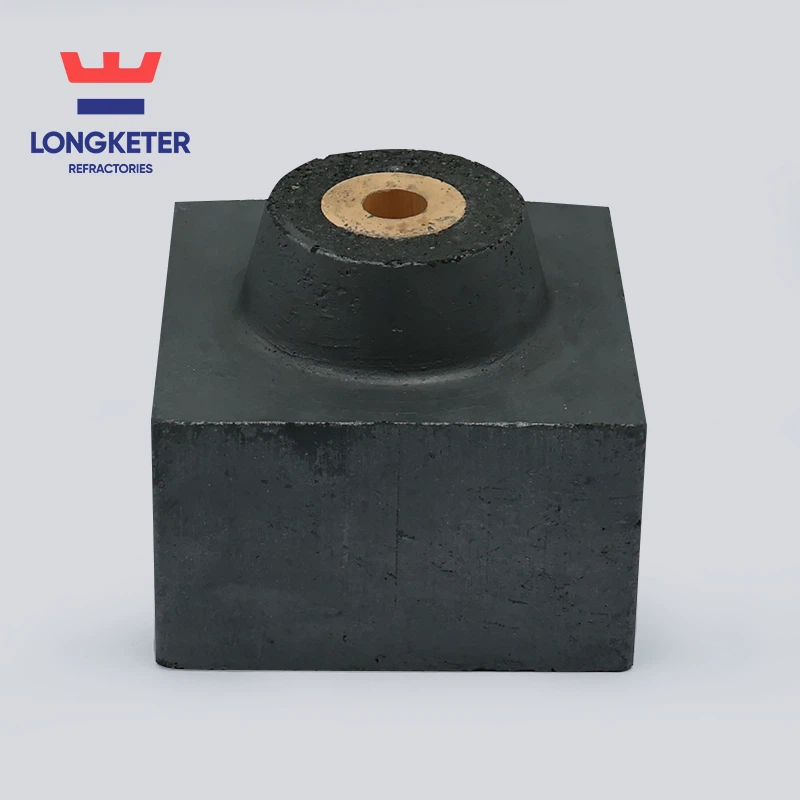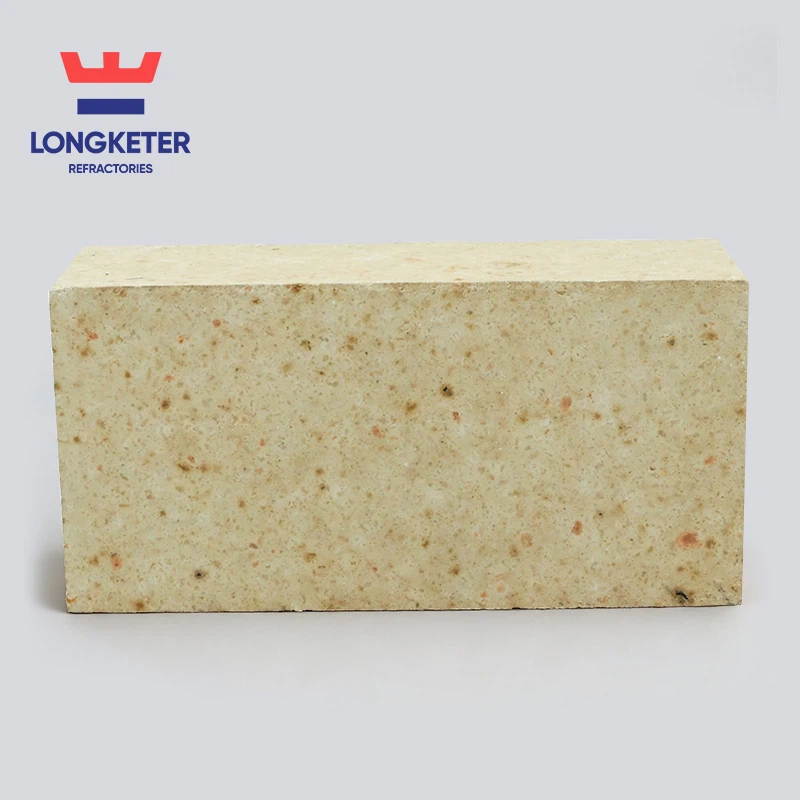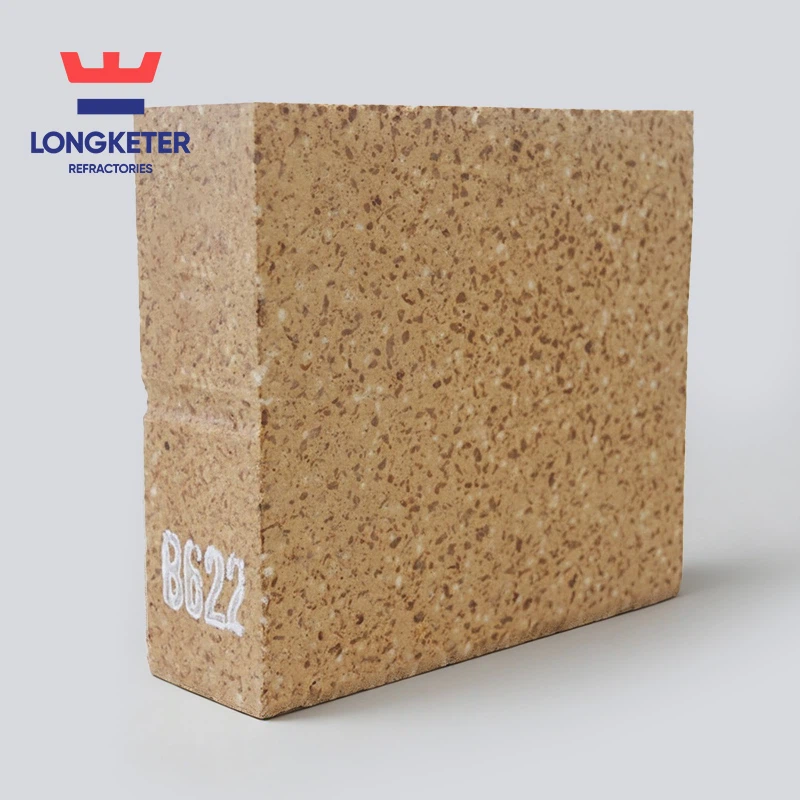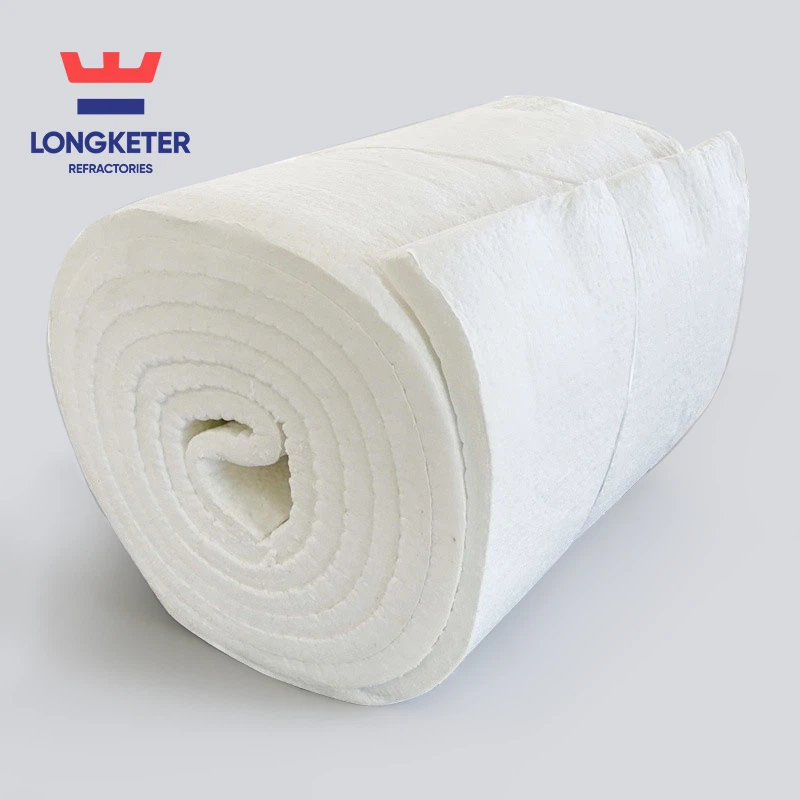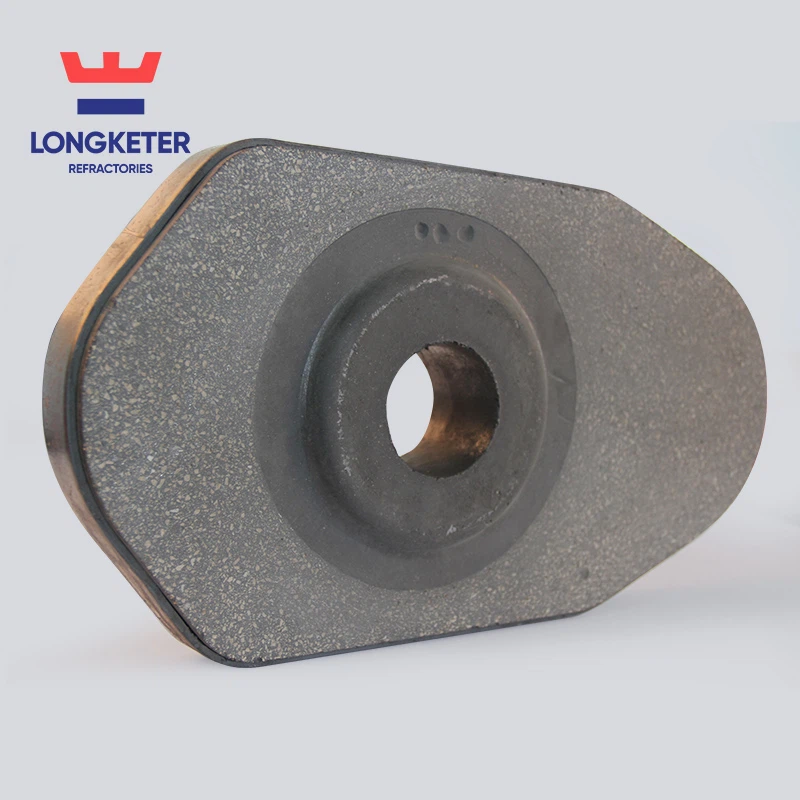
When it comes to protecting high-temperature industrial equipment, high-alumina refractory bricks stand out as the go-to choice for cement kilns, lime kilns, heating furnaces, and more. These durable, heat-resistant linings are engineered to withstand extreme operating conditions, ensuring long-term performance and cost efficiency for manufacturing plants worldwide.
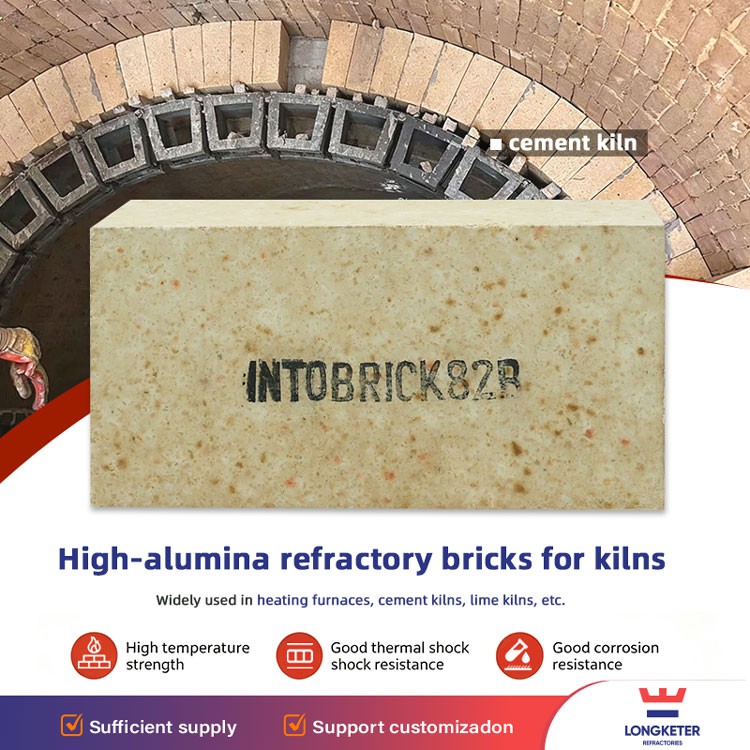
Why High-Alumina Refractory Bricks Are Indispensable for Cement Kilns
Cement rotary kilns operate in one of the harshest industrial environments, with temperatures exceeding 1,500°C, constant thermal cycling, and exposure to corrosive clinker and alkali compounds. High-alumina refractory bricks are specifically designed to tackle these challenges, offering three core advantages that make them superior to traditional fireclay bricks:
·Superior High-Temperature Strength: With alumina content typically ranging from 48% to 80%, these bricks maintain structural integrity even at peak kiln temperatures, preventing deformation or collapse.
·Excellent Thermal Shock Resistance: The optimized mullite composition minimizes cracking and spalling during rapid temperature changes, reducing unplanned shutdowns caused by lining failures.
·Strong Corrosion & Abrasion Resistance: Dense, low-porosity structures resist alkali attack and clinker abrasion, extending the service life of kiln linings by up to 50% compared to standard alternatives.
These benefits directly translate to lower maintenance costs, reduced downtime, and consistent clinker quality-critical factors for cement manufacturers aiming to boost operational efficiency.
Beyond Cement Kilns: Versatile Applications of High-Alumina Refractory Bricks
While widely recognized as cement kiln linings, high-alumina refractory bricks serve a broad range of industrial furnaces, making them a versatile investment for multiple sectors:
·Lime Kilns: Resist high temperatures and chemical erosion in the calcination process, supporting continuous production.
·Heating Furnaces & Forging Ovens: Provide reliable insulation and structural support in metalworking operations.
·Steel & Metallurgical Plants: Used in electric arc furnaces, ladles, and hot blast furnaces to withstand molten metal and slag corrosion.
·Ceramic & Glass Kilns: Maintain stable heat distribution for consistent product firing results.
At [Your Brand Name], we offer both standard and custom-sized high-alumina refractory bricks to match unique kiln specifications, ensuring a perfect fit for any industrial application.
Choosing the Right High-Alumina Refractory Bricks for Your Kiln
Not all high-alumina bricks are created equal, and selecting the right grade depends on your kiln's operating conditions:
1.Alumina Content: Bricks with 70–80% alumina are ideal for high-temperature cement kiln burning zones, while lower grades (48–65%) work well in preheating and cooling sections.
2.Thermal Shock Stability: For kilns with frequent temperature fluctuations, opt for anti-spalling formulations to prevent cracking.
3.Customization: Curved, tapered, or special-shaped bricks are available to match complex kiln geometries, eliminating installation gaps that cause heat loss.
Our team of refractory experts can help you assess your kiln's needs and recommend the optimal high-alumina refractory bricks to maximize performance and longevity.
Why Partner With [Your Brand Name] for Refractory Brick Solutions
We specialize in high-quality high-alumina refractory bricks designed to meet the rigorous demands of industrial kilns. Here's what sets us apart:
·Sufficient Supply: Large-scale production capacity ensures timely delivery for projects of all sizes.
·Customization Support: Tailored brick sizes and formulations to fit your exact kiln requirements.
·Proven Performance: Bricks tested to withstand the harshest conditions, backed by years of industrial use.
If you're looking to upgrade your kiln linings or replace worn-out refractory materials, our high-alumina refractory bricks offer a cost-effective, long-lasting solution.