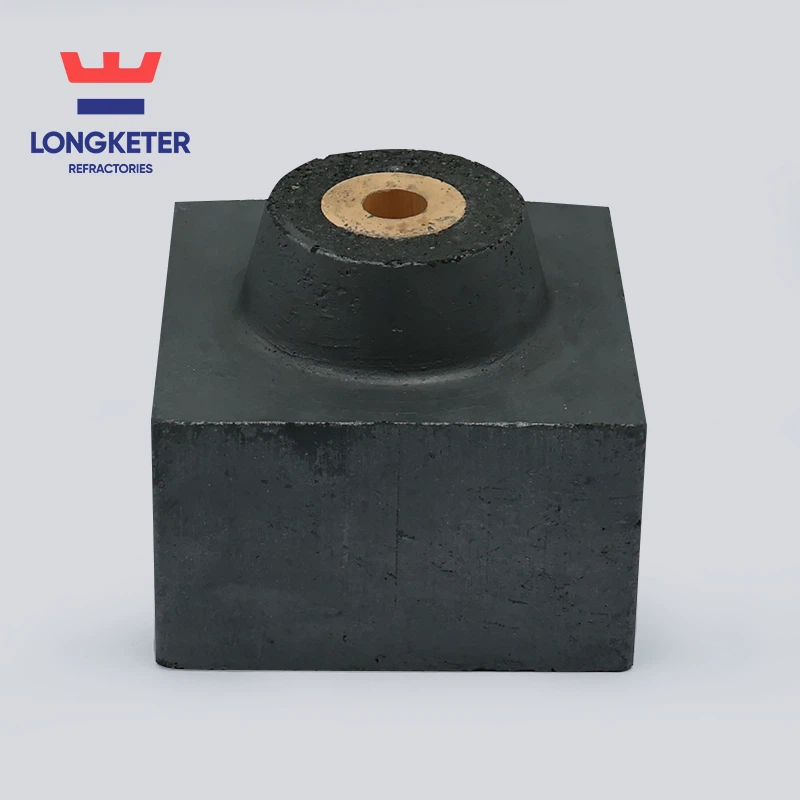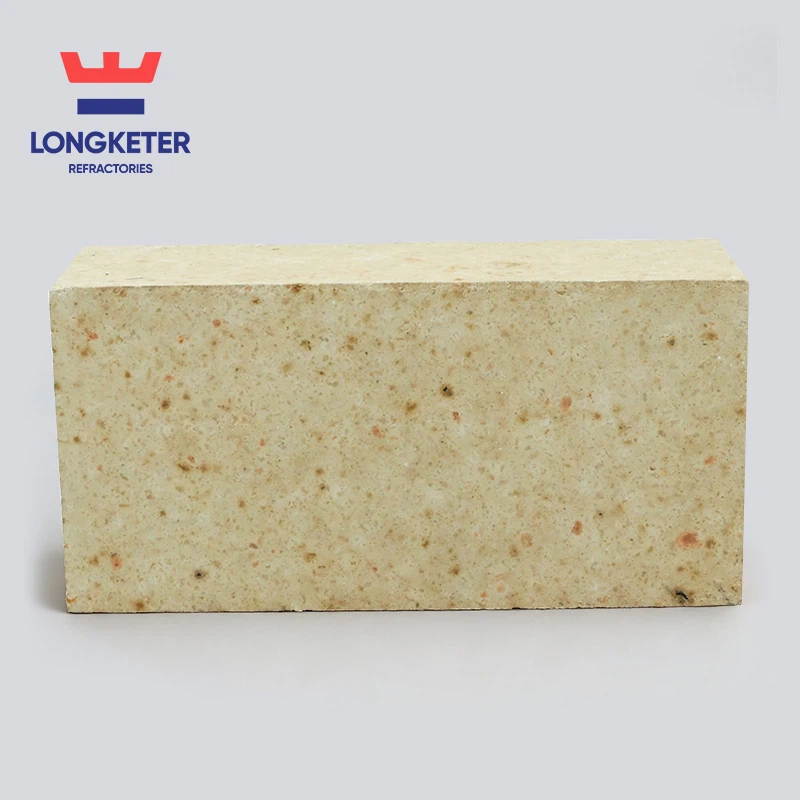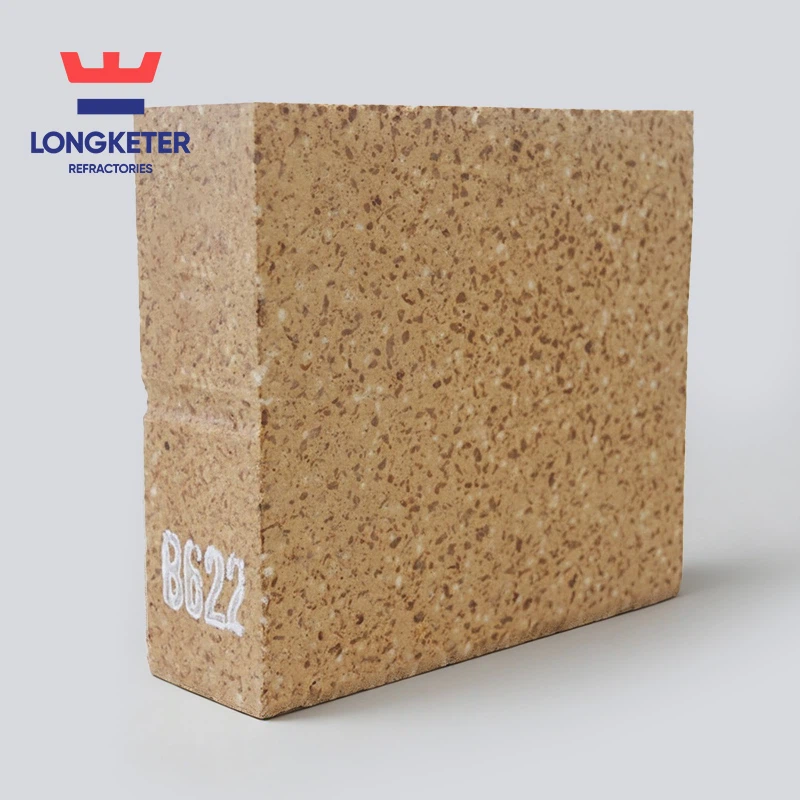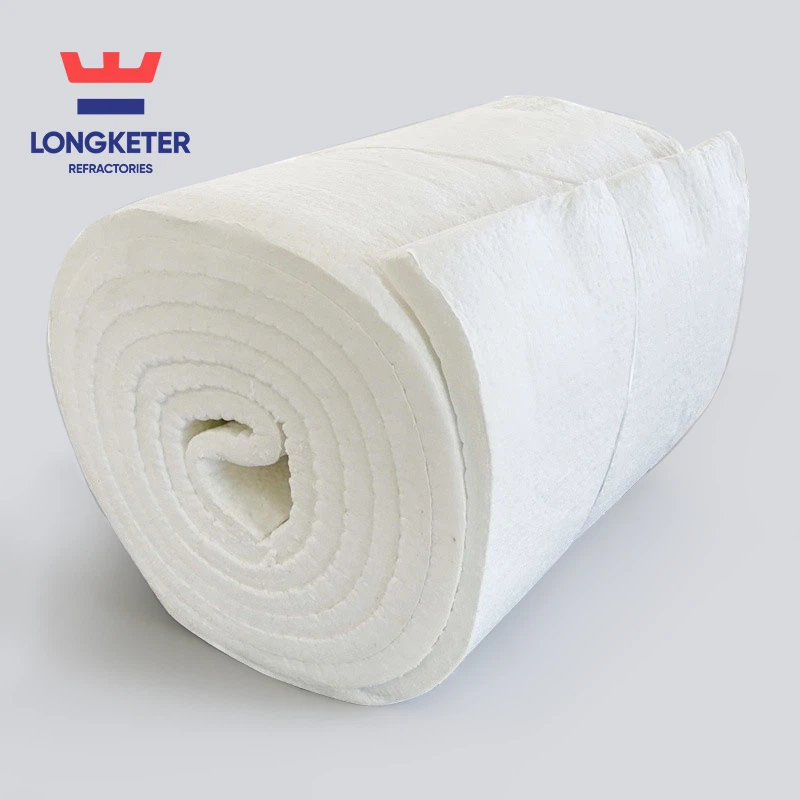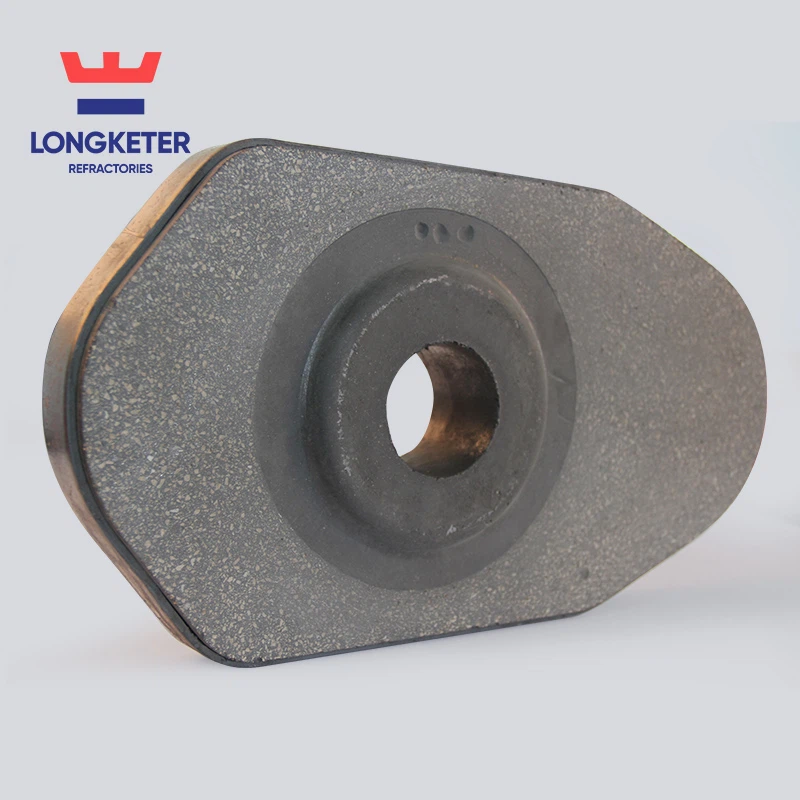
Refractory material is a material that can maintain its original properties under high temperature and chemical corrosion conditions. They are one of the most important materials in modern industry and can be used in many fields such as chemical industry, metallurgy, construction, and electricity. Here are some quick facts about refractory materials:
Functions of refractory materials
The main function of refractory materials is to protect the furnace body and products from damage by heat and chemical corrosion. Different applications require different refractory materials, such as furnaces, smelting furnaces, converters, kilns, etc.
Types of refractory materials
Refractory materials can be divided into acidic, neutral, alkaline and special types. Among them, acidic refractory materials include aluminosilicate, silicic acid, silicon oxide, zirconium silicate, etc.; alkaline refractory materials include magnesium carbide, silicon carbide, calcium oxide, etc.; neutral refractory materials include calcium silicate and silicon Zirconium acid.
Manufacturing and Application of Refractory Materials
The manufacturing process of refractory materials is complex and requires certain technologies and equipment, including the proportioning of raw materials, cooking, drying, shaping and sintering. Differences in these manufacturing steps result in different product characteristics. For example, high-temperature drying can make the material brittle, while burning back the biological infusion can make it resistant to cracking and peeling.
In short, refractory materials are one of the most important materials indispensable in modern industry. They play an irreplaceable role in various applications. The research and development of this material must also be paid more and more attention to meet the continuous demand for it in modern industry.