1. Prepare ingredients
Prepare ingredients such as binders and antioxidants. Raw materials are sent to the warehouse for storage through the material conveying system.
2. Soften and mix
The prepared ceramic raw materials are crushed, graded, screened, and mixed evenly before entering the softening unit. The softening machine softens the fibers in the material into thin sheets through heating, drying and kneading operations, which facilitates subsequent processing.
3. Coating and compacting
The softened ceramic fiber paper is coated through a coating machine. The fiber-formed paper is stacked in layers, and the upper and lower layers are coated alternately to finally form a ceramic fiber paper with a thickness of several millimeters. The thickness of the paper is then compressed to the desired thickness through multiple compactions.
4. Drying and hardening
The compacted paper is dried and hardened through equipment such as ovens and roller hot presses. During the drying process, temperature, humidity and other indicators need to be controlled to ensure that the moisture in the paper is completely exhausted and the pores in the paper are evenly distributed. The hardened paper can be turned into ceramic fiber paper with good fire resistance after trimming and punching.
5. Quality inspection and packaging
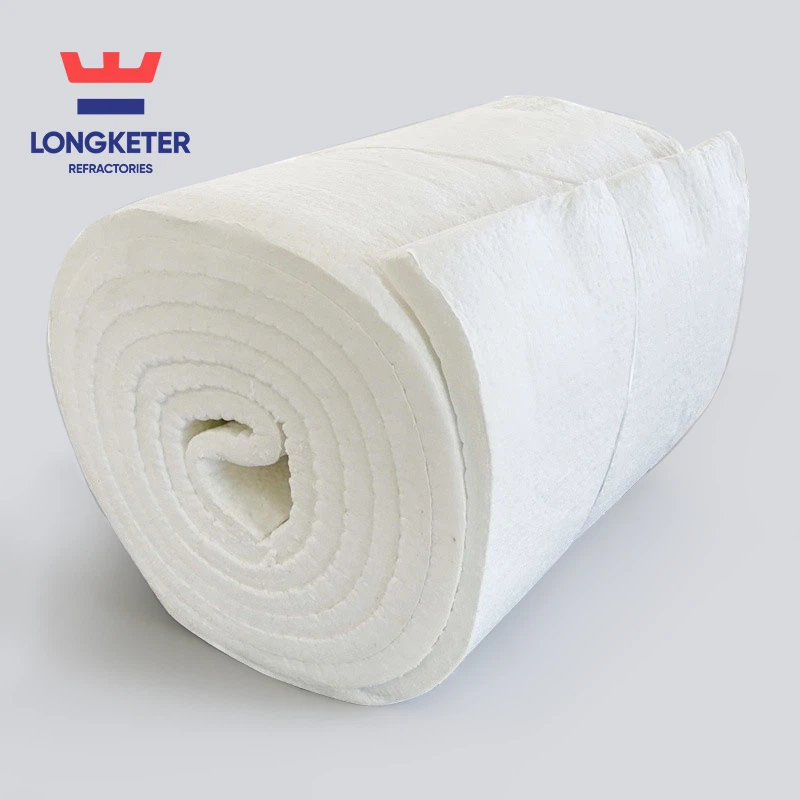
Finally, the physical and chemical properties of the ceramic fiber paper are tested by quality inspection personnel to ensure that the product quality meets the requirements before packaging. Generally packaged in rolls or folded specifications.
The above is a detailed introduction to the production process of ceramic fiber paper. There are many various parameters that need to be controlled, which require fine control of equipment and strict execution of processes to ensure product quality and performance.