definition:
It is a non-metallic material with a refractoriness of not less than 1580°C, good resistance to thermal shock and chemical erosion, low thermal conductivity and low expansion coefficient. Refractory resistance refers to the temperature in degrees Celsius at which a conical sample of
refractory material can resist the action of high temperature without softening and melting without load. Refractory materials are widely used in metallurgy, chemical industry, petroleum, machinery manufacturing, silicate, power and other industrial fields. They are used the largest amount in the metallurgical industry, accounting for 50%-60% of the total output.
type:
There are many types of refractory materials, which are usually divided into ordinary refractory materials (1580~1770℃), advanced refractory materials (1770~2000℃) and special-grade refractory materials (above 2000℃) according to their refractoriness; according to their chemical properties, they are divided into acidic refractory materials, medium refractory materials and medium-grade refractory materials. Resistant refractory materials and alkaline refractory materials. In addition, there are refractory materials for special occasions.
Element:
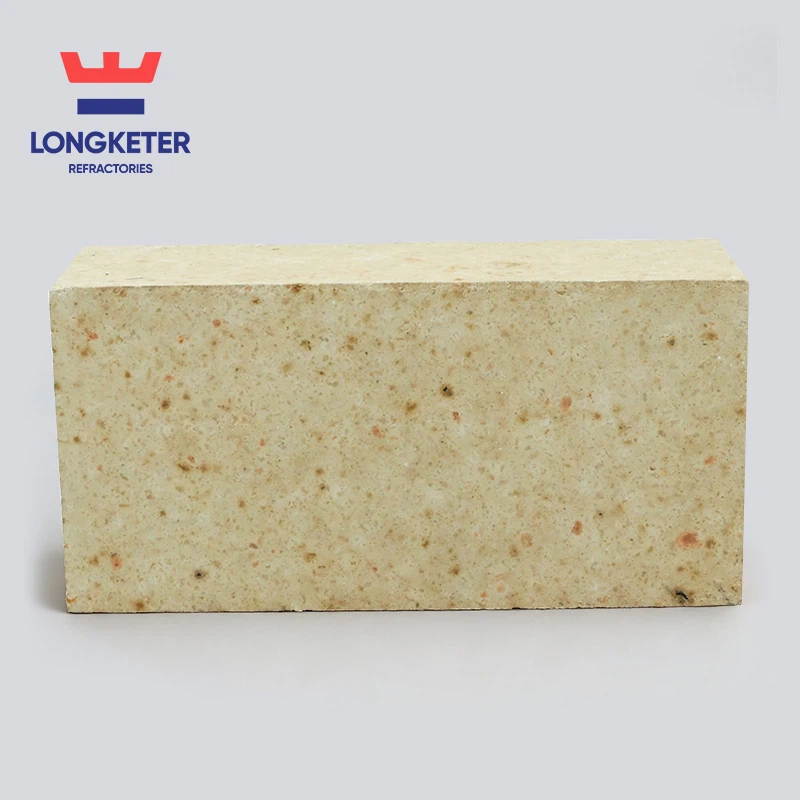
Acidic refractory materials contain silicon oxide as the main component, and silica bricks and clay bricks are commonly used. Silica bricks are siliceous products containing more than 94% of silicon oxide. The raw materials used include silica, waste silica bricks, etc. They have strong resistance to acidic slag erosion, high softening temperature under load, and their volume does not shrink or even expand slightly after repeated calcinations; However, it is susceptible to erosion by alkaline slag and has poor thermal shock resistance. Silica bricks are mainly used in thermal equipment such as coke ovens, glass melting furnaces, and acid steelmaking furnaces. Clay bricks are made of refractory clay as the main raw material and contain 30% to 46% alumina. They are weakly acidic refractory materials with good thermal shock resistance and corrosion resistance to acidic slag and are widely used.
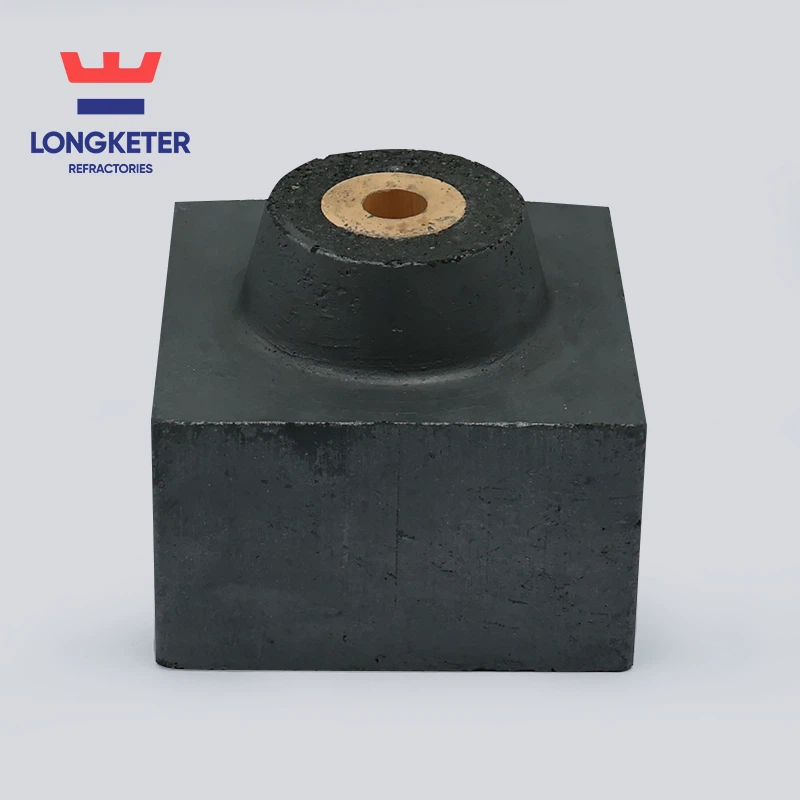
Neutral refractory materials are mainly composed of aluminum oxide, chromium oxide or carbon. Corundum products containing more than 95% alumina are high-quality refractory materials with a wide range of uses. Chromium bricks with chromium oxide as the main component have good corrosion resistance to steel slag, but have poor thermal shock resistance and low deformation temperature under high-temperature load. Carbonaceous refractory materials include carbon bricks, graphite products and silicon carbide products. They have low thermal expansion coefficient, high thermal conductivity, good thermal shock resistance, high high temperature strength, and resistance to acid, alkali and salt erosion, especially weak acids and alkali. Good resistance, not wetted by metal and slag, light weight. It is widely used as high-temperature furnace lining material and also used as autoclave lining in petroleum and chemical industries.
Alkaline refractory materials contain magnesium oxide and calcium oxide as the main components, and magnesia bricks are commonly used. Magnesia bricks containing more than 80% to 85% magnesium oxide have good resistance to alkaline slag and iron slag, and have higher refractoriness than clay bricks and silica bricks. Mainly used in open hearth furnaces, oxygen-blown converters, electric furnaces, non-ferrous metal smelting equipment and some high-temperature equipment. Refractory materials used in special occasions include high-temperature oxide materials, such as alumina, lanthanum oxide, beryllium oxide, calcium oxide, zirconium oxide, etc., and refractory compound materials, such as carbides, nitrides, borides, silicides and sulfides. etc.; high-temperature composite materials mainly include cermets, high-temperature inorganic coatings and fiber-reinforced ceramics.
Common refractory materials:
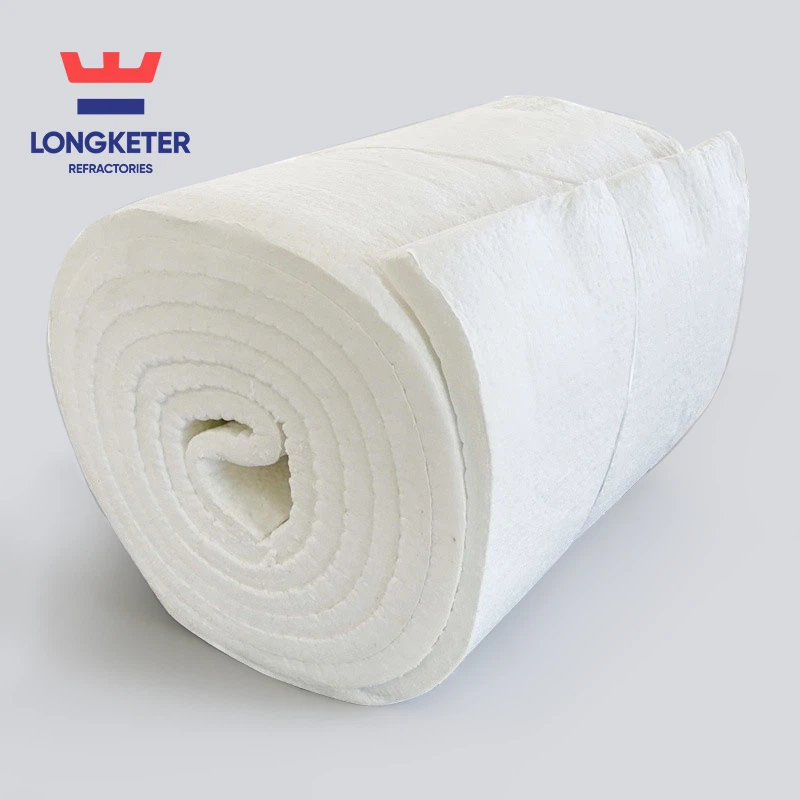
Frequently used refractory materials include AZS bricks, corundum bricks, direct bonded magnesia chromium bricks, silicon carbide bricks, silicon nitride bonded silicon carbide bricks, and non-oxide refractory materials such as nitrides, silicides, sulfides, borides, and carbides. ;Calcium oxide, chromium oxide, aluminum oxide, magnesium oxide, beryllium oxide and other refractory materials. Commonly used insulating refractory materials include diatomite products, asbestos products, insulation boards, etc. Commonly used unshaped refractory materials include furnace patching materials, refractory ramming materials, refractory castables, refractory plastics, refractory mud, refractory gunning materials, refractory projection materials, refractory coatings, lightweight refractory castables, etc.
Acid refractory materials
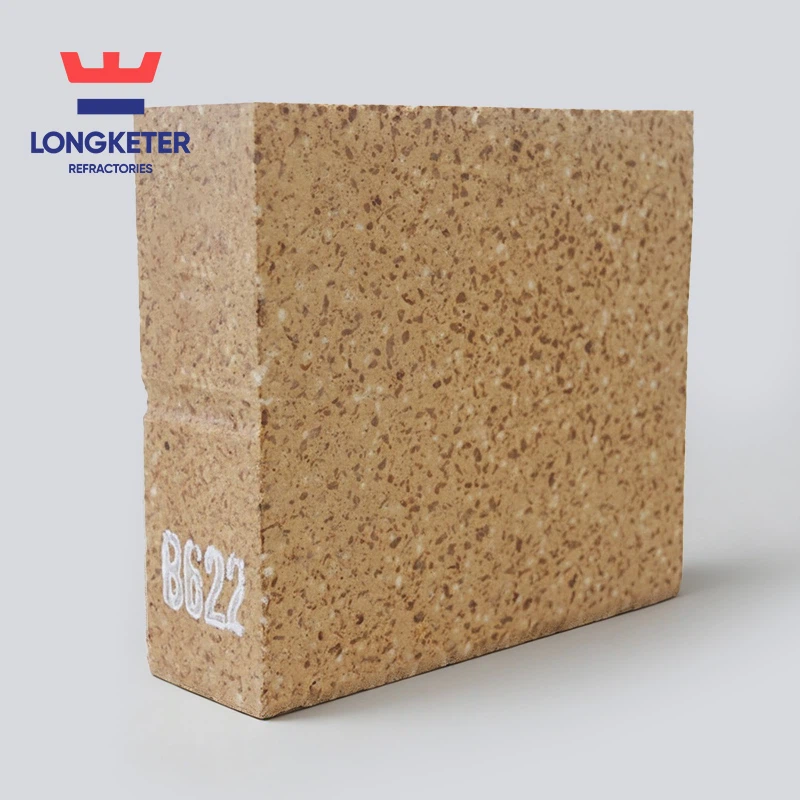
Silica bricks and clay bricks are used in larger quantities. Silica bricks are siliceous products containing more than 93% SiO2. The raw materials used include silica, waste silica bricks, etc. Silica bricks have strong resistance to acidic slag erosion, but are susceptible to alkaline slag erosion. Its load softening temperature is very high, close to its refractoriness. After repeated calcinations, its volume does not shrink or even expands slightly, but its thermal shock resistance is poor. Silica bricks are mainly used in thermal equipment such as coke ovens, glass melting furnaces, and acid steelmaking furnaces. Clay bricks contain 30%~46% alumina. They use refractory clay as the main raw material. They have a refractory degree of 1580~1770°C and good thermal shock resistance. They are weakly acidic refractory materials that are resistant to acidic slag and have a wide range of uses. It is currently the most produced type of refractory material.
Neutral refractory materials
The main crystal phases in high-aluminum products are mullite and corundum. The content of corundum increases with the increase in alumina content. Corundum products containing more than 95% alumina are high-quality refractory materials with a wide range of uses. Chrome bricks are mainly made of chromium ore, and the main crystal phase is chromite. It has good corrosion resistance to steel slag, but poor thermal shock resistance and low deformation temperature under high temperature load. Chrome-magnesia bricks made of chromium ore and magnesia in different proportions have good thermal shock resistance and are mainly used as alkaline open hearth roof bricks.
Carbonaceous products are another type of neutral refractory materials. According to the composition of carbonaceous raw materials and the mineral composition of the products, they are divided into three categories: carbon bricks, graphite products and silicon carbide products. Carbon bricks are made of high-grade petroleum coke as raw material, with tar and asphalt as binders, and are fired at 1300°C in air-isolated conditions. Graphite products (except natural graphite) are made of carbonaceous materials through graphitization treatment at 2500~2800℃ in an electric furnace. Silicon carbide products use silicon carbide as raw material, add clay, silicon oxide and other binders and are fired at 1350~1400℃. Silicon carbide and silicon powder can also be added to make silicon nitride-silicon carbide products in an electric furnace under a nitrogen atmosphere. Carbon products have low thermal expansion coefficient, high thermal conductivity, good thermal shock resistance, and high high temperature strength. It does not soften after long-term use at high temperatures, is not corroded by any acid or alkali, has good salt resistance, is not wetted by metal and slag, is lightweight, and is a high-quality high-temperature resistant material. The disadvantage is that it is easily oxidized at high temperatures and should not be used in an oxidizing atmosphere. Carbonaceous products are widely used in high-temperature furnace linings (furnace bottom, hearth, lower part of furnace body, etc.) and linings of non-ferrous metal smelting furnaces. Graphite products can be used as linings for reaction tanks and petrochemical autoclaves. Silicon carbide and graphite products can also be made into crucibles for smelting copper, gold and light alloys.
Alkaline refractory materials
Represented by magnesium products. It contains more than 80% to 85% magnesium oxide, with periclase as the main crystal phase. The main raw materials for the production of magnesia bricks are magnesite, seawater magnesia (which is obtained by calcining magnesium hydroxide extracted from seawater at high temperatures), etc. It has good resistance to alkaline slag and iron slag. The melting point of pure magnesium oxide is as high as 2800°C. Therefore, the refractoriness of magnesia bricks is higher than that of clay bricks and silica bricks. Since the mid-1950s, due to the use of oxygen-blown converters for steelmaking and the use of alkaline open-hearth furnace tops, the production of alkaline refractories has gradually increased, while the production of clay bricks and silica bricks has decreased. Alkaline refractory materials are mainly used in open hearth furnaces, oxygen-blown converters, electric furnaces, non-ferrous metal smelting and some high-temperature thermal equipment.
Oxide materials such as aluminum oxide, lanthanum oxide, beryllium oxide, calcium oxide, zirconium oxide, uranium oxide, magnesium oxide, cerium oxide and thorium oxide have melting points between 2050 and 3050°C.
Refractory compound materials such as carbides (silicon carbide, titanium carbide, tantalum carbide, etc.) nitrides (boron nitride, silicon nitride, etc.) borides (zirconium boride, titanium boride, hafnium boride, etc.) silicides (di Molybdenum silicide, etc.) and sulfides (thorium sulfide, cerium sulfide, etc.). Their melting points are 2000~3887℃, and the most refractory among them is carbide.
High-temperature composite materials such as cermets, high-temperature inorganic coatings and fiber-reinforced ceramics.
application:
Frequently used special materials include AZS bricks, corundum bricks, direct bonded magnesia chromium bricks, silicon carbide bricks, silicon nitride bonded silicon carbide bricks, nitrides, silicides, sulfides, borides, carbides and other non-oxide refractory materials ;Calcium oxide, chromium oxide, aluminum oxide, magnesium oxide, beryllium oxide and other refractory materials. Commonly used insulating refractory materials include diatomite products, asbestos products, insulation boards, etc. Commonly used unshaped refractory materials include furnace patching materials, refractory ramming materials, refractory castables, refractory plastics, refractory mud, refractory gunning materials, refractory projection materials, refractory coatings, lightweight refractory castables, gun mud, etc.
performance:
The physical properties of refractory materials include structural properties, thermal properties, mechanical properties, usage performance and operating performance. The structural properties of refractory materials include porosity, volume density, water absorption, air permeability, pore size distribution, etc. The thermal properties of refractory materials include thermal conductivity, thermal expansion coefficient, specific heat, heat capacity, thermal conductivity coefficient, thermal emissivity, etc. The mechanical properties of refractory materials include compressive strength, tensile strength, flexural strength, torsional strength, shear strength, impact strength, wear resistance, creep property, bonding strength, elastic modulus, etc. The performance of refractory materials includes refractoriness, load softening temperature, reburning line change, thermal shock resistance, slag resistance, acid resistance, alkali resistance, hydration resistance, CO erosion resistance, conductivity, and oxidation resistance. wait.