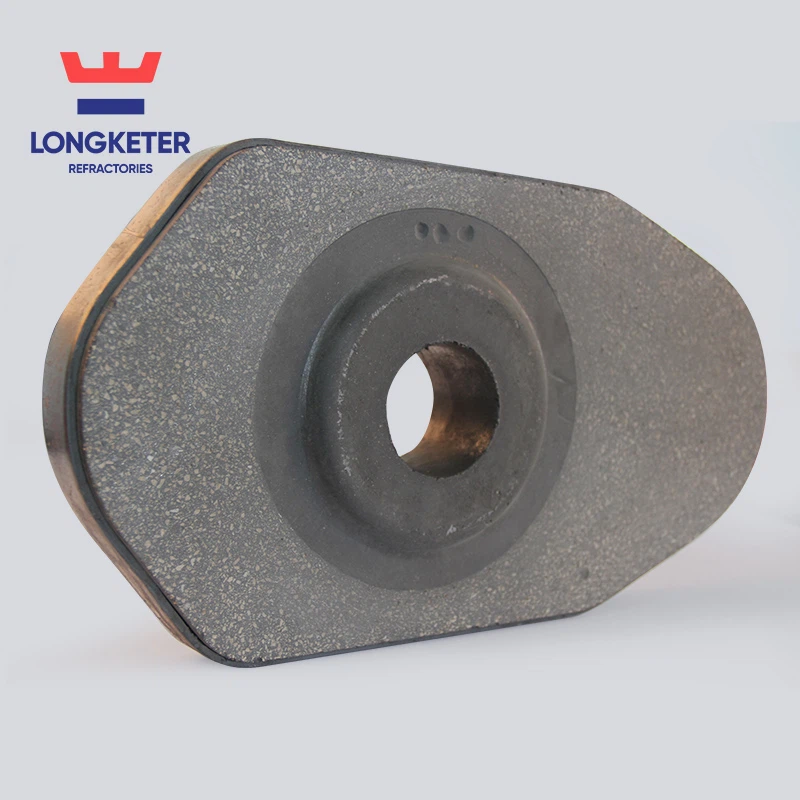
Refractory material classification:
According to the refractory degree: 1580-1770℃ is ordinary refractory material; 1770-2000℃ is high-grade refractory material; 2000-3000℃ is special grade refractory material.
According to shape and size, they are divided into ordinary (i.e. standard) bricks, special-shaped bricks and special-shaped bricks.
According to the firing method, it can be divided into unfired bricks, refractory castables, refractory plastics, refractory ramming materials, fired bricks and fused cast bricks.
However, they are generally classified according to the chemical and mineral composition of refractory materials, which are roughly divided into the following five categories:

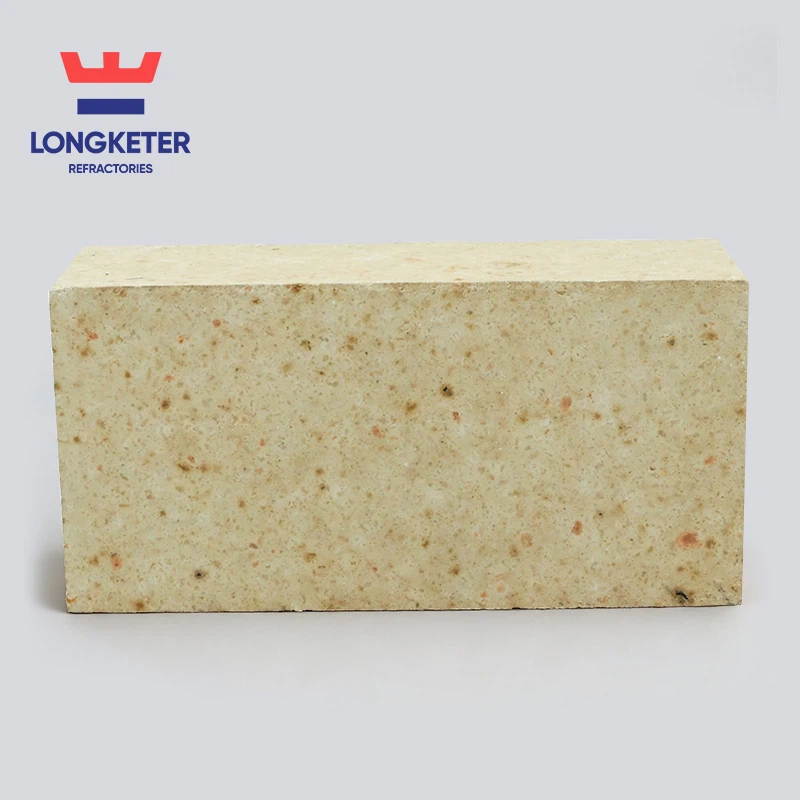
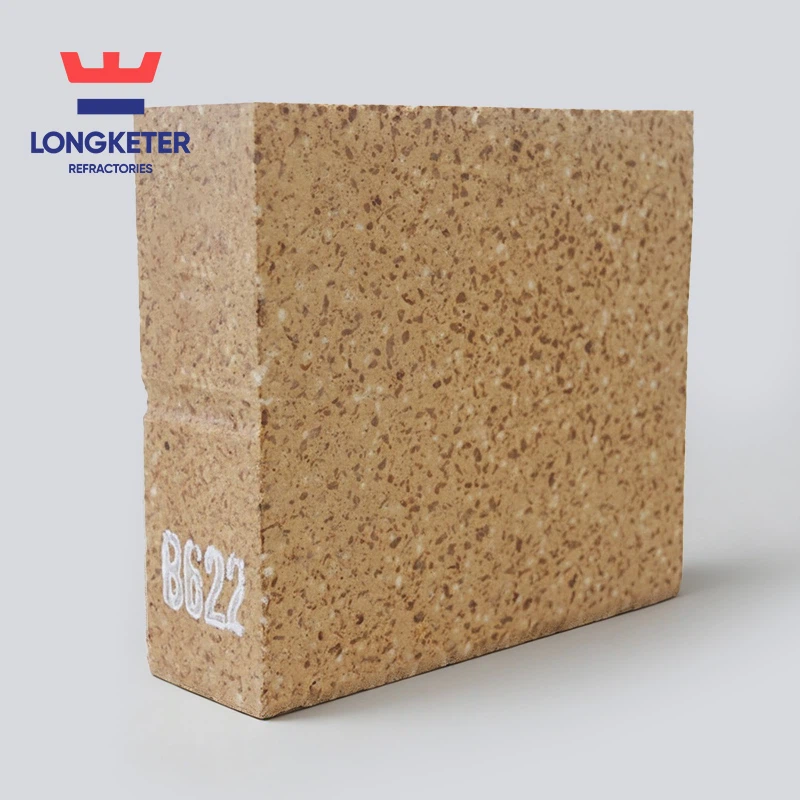
Aluminum silicate refractory products.
1. Clay refractory products: silica content is less than 65%, and aluminum oxide content is 35%-48%.
2. High-aluminum refractory products: aluminum oxide content is greater than 48%. Ordinary high alumina bricks are divided into three grades: 55%, 65%, and 75%. In addition, there are also varieties such as mullite bricks and corundum bricks.
3. Semi-siliceous refractory products: silica content is greater than 65% and alumina content is less than 30%.
Silicon refractory products.
1. Silica brick: silica content is not less than 93%;
2. Fused quartz: Silica content is above 99%.
Magnesium products.
1. Magnesia brick: magnesium oxide content is more than 87%;
2. Magnesia-alumina brick: magnesia brick combined with magnesia-alumina spinel;
3. Forsterite bricks: Magnesium oxide content is 35%-55%.
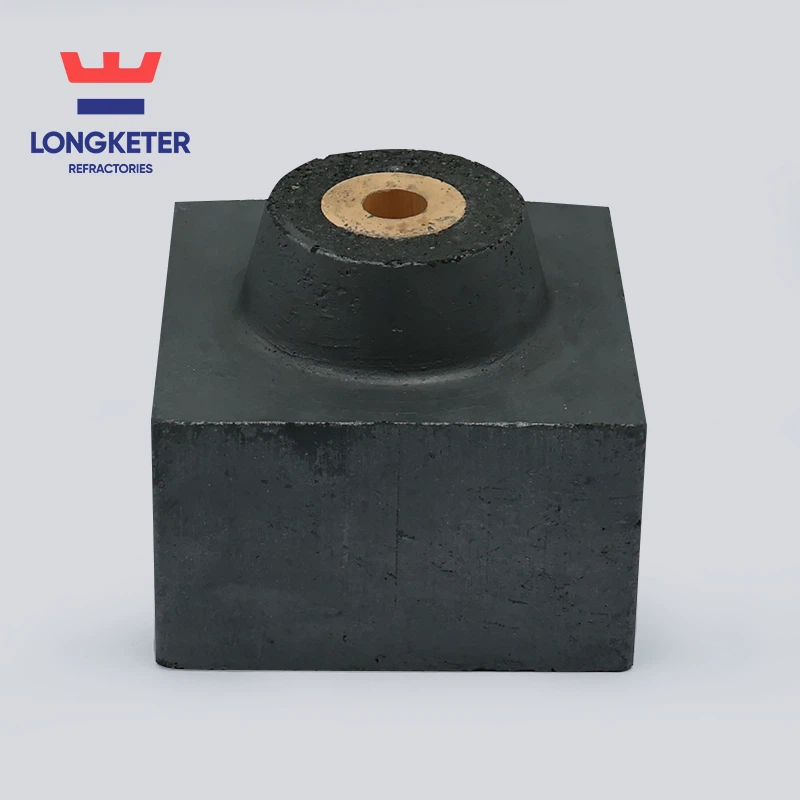
Carbon products.
1. Carbon brick: carbon content 70%-90%;
2. Graphite products: graphite content is more than 30%;
3. Silicon carbide products: There are two types: recrystallization and inorganic combination.
Special refractory materials.
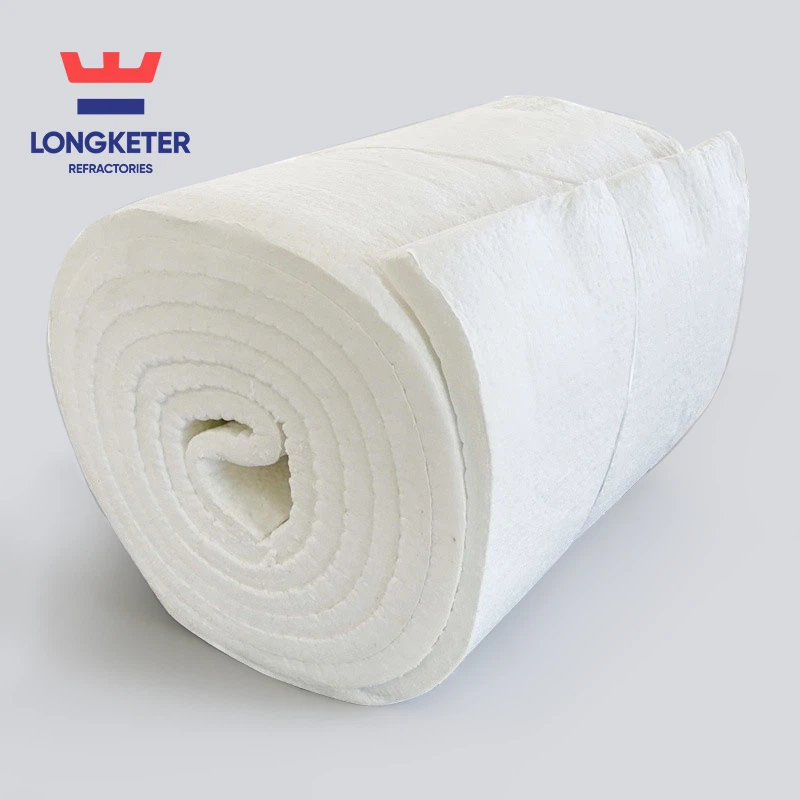
1. High-temperature ceramic materials: There are pure oxide products, such as aluminum oxide, magnesium oxide, zirconium oxide, boron oxide and other products, as well as carbide, nitride, boride, silicide and other products. Fibers made of the above materials are called ceramic fibers or refractory fibers;
2. Cermet material: It is a material composed of metallic phase and ceramic phase.
In addition to the above categories, lightweight refractory materials, bulk refractory materials, etc. are also commonly used refractory materials.