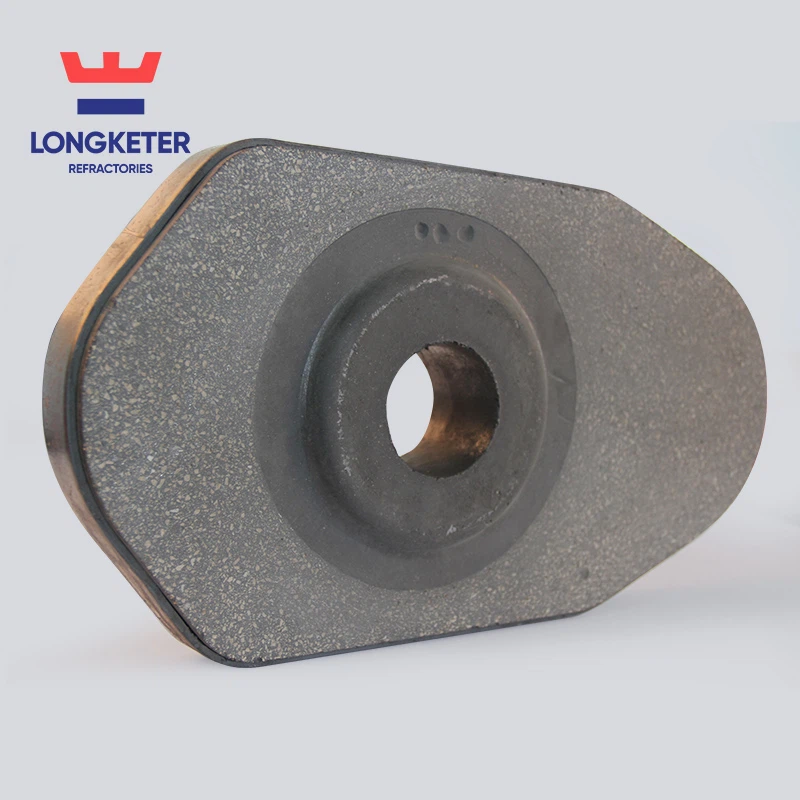
With the acceleration of industrialization, the demand for refractory materials has also shown an increasing trend. As a representative of refractory materials, activated alumina has received more and more attention and has become a high-profile product on the market. Activated alumina is a high-performance refractory material with extremely strong heat resistance, corrosion resistance, wear resistance and other properties. It can be widely used in metallurgy, chemical industry, environmental protection, electric power and other industries.
Regarding activated alumina, many people will ask: What is the difference between it and alumina? In fact, activated alumina is a highly active alumina material. Compared with ordinary alumina, it has a higher surface density, more ion defects and stronger acidity and alkalinity. This highly active characteristic makes activated alumina widely used in many fields.
In the metallurgical industry, activated alumina is widely used in furnace linings, sintered ore balls, etc. Because of its extremely strong heat resistance and ability to withstand the erosion of molten iron at high temperatures, it is used by many large steel companies. In addition, activated alumina can also replace graphite as the anode material of electrolytic furnaces, giving the electrolytic furnaces a longer service life and better corrosion resistance.
In the chemical industry, activated alumina also plays an important role. It is widely used in chemical catalysts, adsorbents, separation agents and other fields. Especially in petrochemical production, activated alumina can improve the selectivity of cracking reactions and product quality, while also reducing overflow losses and saving the amount of diesel and catalyst.
In the field of environmental protection, activated alumina also plays a very important role. It can be used as a catalyst for exhaust gas purification, converting harmful gases into harmless substances at high temperatures to achieve the effect of purifying the air. At the same time, activated alumina can also be used as an adsorbent for wastewater treatment, adsorbing pollutants on the surface of materials, thereby achieving efficient, economical, and environmentally friendly treatment effects.