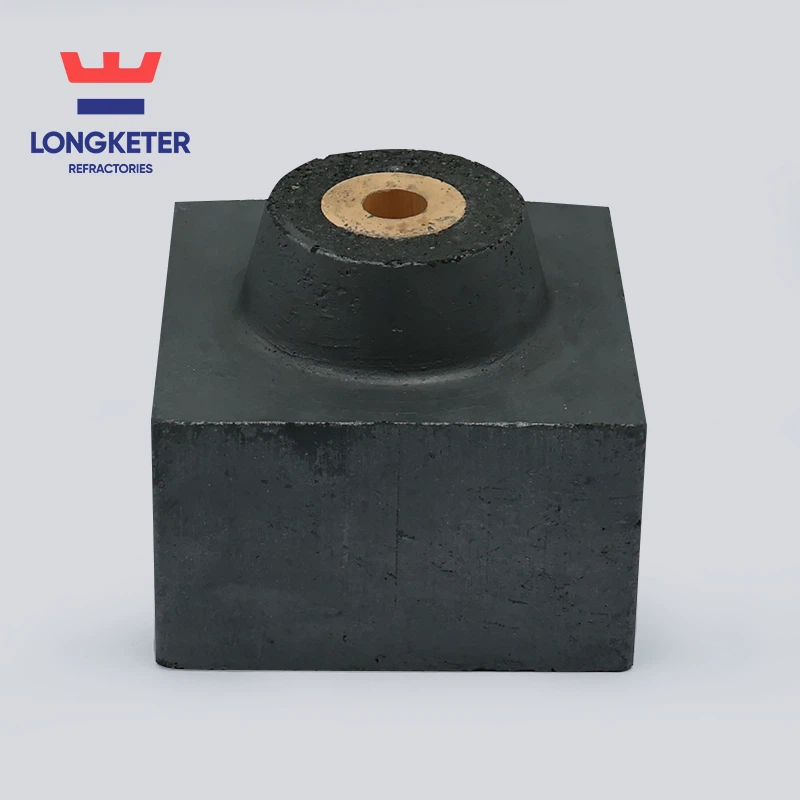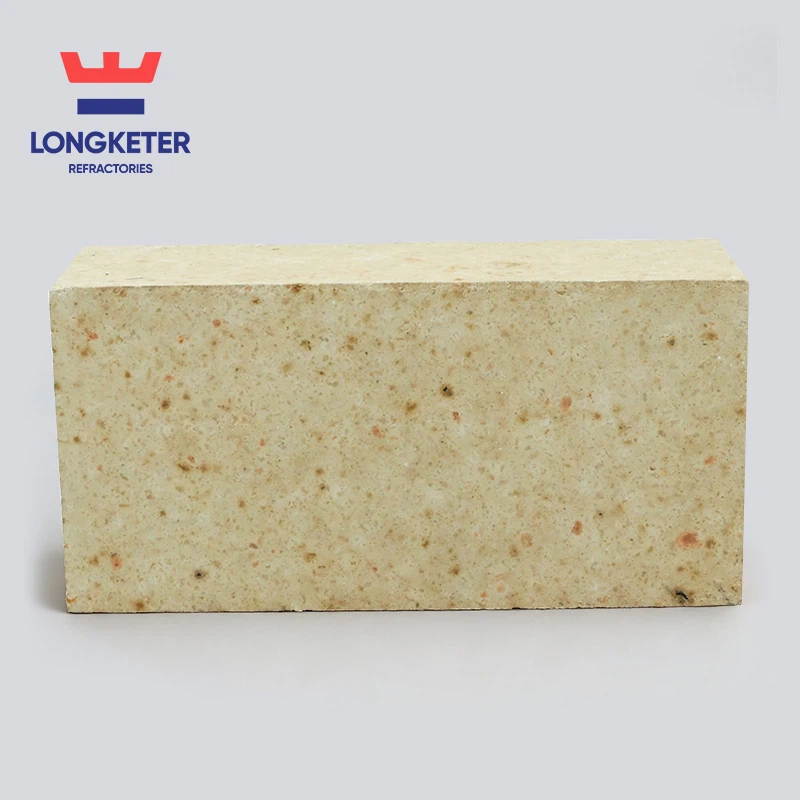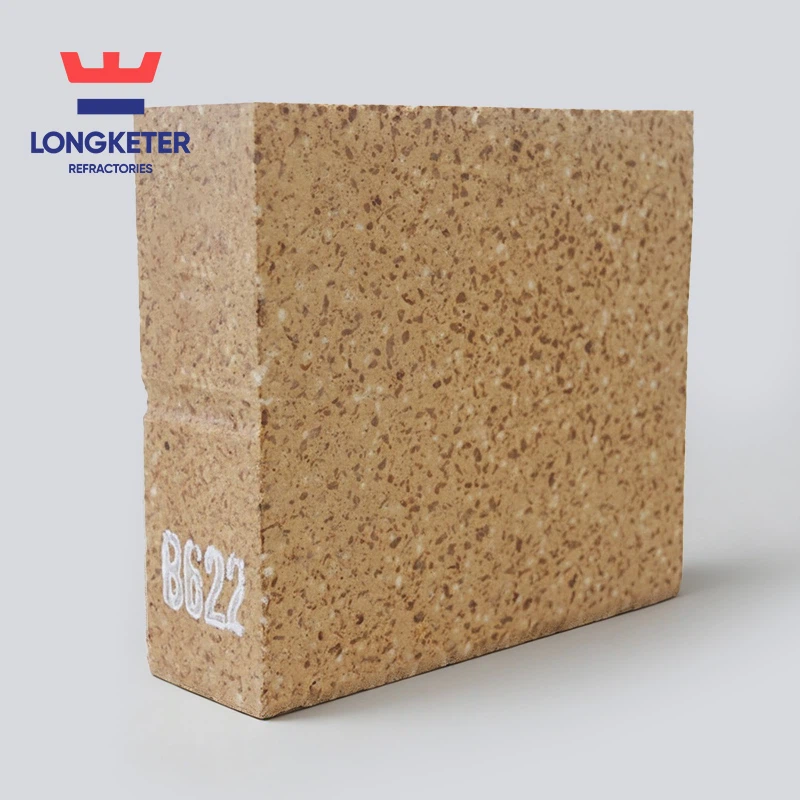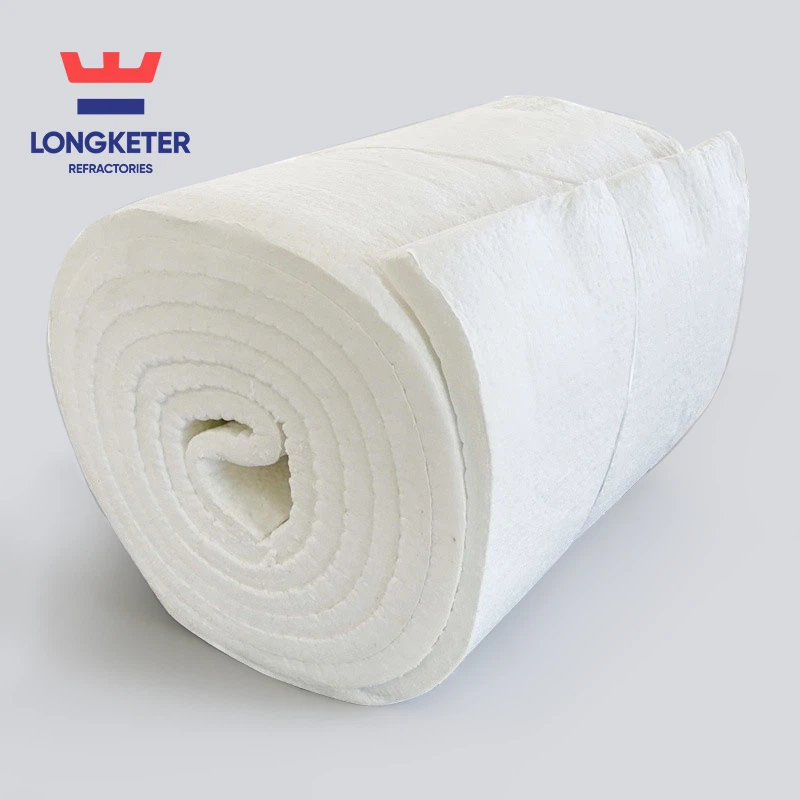
Amorphous refractories, also known as bulk refractories, are composed of bulk particles and fine powder, and do not need to be burned or formed before use. It can flexibly change the composition, properties and process of materials according to needs, such as the composition and particle size of refractory materials; Type and amount of binder; The selection and adjustment of admixtures (such as plasticizers, hardeners, retarders, water reducing agents, etc.) and the diversification of construction methods (pouring, tamping, spraying, projection, plastic construction, etc.) have made the brick shape of refractory a big step towards large-scale, profiled and integrated structure, which is called the second generation of refractory.
Amorphous refractory is one of the important basic materials in the application of refractory lining technology in high temperature kiln industry. Refractory castable is an important kind of unshaped refractory materials. Its important characteristics are that it has a short supply cycle, is not limited by the shape of the equipment, and can be directly used without calcining in advance, and the loose mixture is matched with the appropriate anchor parts to form and bake on site. Refractory castables can be used to make seamless linings, also known as integral refractories. Amorphous refractories such as high alumina castables, high alumina Low Cement Castables, steel fiber wear-resistant castables and corundum castables have been widely used in the lining design of cement kilns. For many years, they have been used in the refractory layer of thermal equipment in different parts.
1. Classification of amorphous refractories
1) Grouting material
A kind of material with good fluidity after mixing with water, also known as pouring material. After molding, it needs to be properly cured to make it coagulate and harden. It can be used after baking according to a certain system. Grouting materials are aluminum silicate clinker, corundum material or alkaline refractory clinker as aggregates; The light-weight grouting materials take expanded perlite, vermiculite, ceramsite and alumina hollow balls as aggregates. The binding agent is calcium aluminate cement, water glass, ethyl silicate, polyaluminum chloride, clay or phosphate, etc. The additive depends on the use, and its function is to improve the construction performance and physical and chemical performance.
The construction molding methods of grouting materials include vibration method, pump injection method, pressure injection method, spray method, etc. Grouting materials are often used together with metal or ceramic anchors to make the overall lining. If reinforced with stainless steel fiber, its mechanical vibration resistance and thermal shock resistance can be improved. The grouting material is used as the lining of various heat treatment furnaces, ore roasting furnaces, catalytic cracking furnaces, conversion furnaces, etc., and also as the lining of smelting furnaces and high-temperature melt launders, such as lead-zinc melting furnaces, tin baths, salt bath furnaces, tapping or iron tapping tanks, steel buckets, suction nozzles of molten steel vacuum circulation degassing devices, etc.
2) Plastic
Clay or adobe with plasticity. When appropriate external force is applied, it is easy to deform without cracking; After the stress is eliminated, it will no longer deform. Plastic materials include semi siliceous, clayey, high alumina, zircon, carbon, etc., as well as light plastic materials. But plastic must be added with plasticizing materials, most of which are high plasticity clay, and plasticizers can also be used to improve the plasticity of this clay. Plasticizers include carboxymethyl cellulose, dextrin, lignosulfonate, etc. The binders used for plastics include plastic clay, phosphoric acid, aluminum dihydrogen phosphate, aluminum sulfate, etc. Aluminum oxide plastic with phosphoric acid or phosphate binding agent will react with aluminum oxide during storage to produce insoluble aluminum orthophosphate and harden the mud. Therefore, preservatives such as oxalic acid, citric acid, acetylacetone, etc. should be added.
The construction method generally adopts tamping method or vibration method. When building the integral furnace lining with plastic, metal or ceramic anchors must be equipped. Plastic can be used as the lining of soaking pits, heating furnaces, boilers and other thermal equipment, and also used to wrap the water-cooling pipes of heating furnaces.
3) Gunning material
A fire-resistant mixture used for gunning or spraying with a sprayer. According to the gunning method, it can be divided into wet gunning (or slurry gunning), semi dry gunning and fire (flame) gunning. Wet gunning uses compressed air to spray mud containing 20 ~ 40% fire-resistant powder, which can achieve high fog dispersion, high adhesion rate, and more uniform thin-layer gunning. Semi dry gunning is to add water at the nozzle to wet the refractory powder sprayed by compressed air. The amount of water added is 11 ~ 14%, and the adhesion rate is low, so it can be gunned in a thicker layer. Fire gunning belongs to dry gunning. The gunning material is sent to the flame of the fuel oxygen spray gun, and the gunning material is partially melted in the nozzle flame and attached to the brick lining.
Gunning materials include aluminum silicon, aluminum silicon zirconium, magnesium, magnesium calcium, magnesium chromium, etc. The binders used include sodium silicate, phosphate, polyphosphate, asphalt, resin, etc. In order to improve the adhesion rate, clay, bentonite, lime and other additives are added. In order to ensure good sintering of gunning materials, sintering aids such as serpentine, pure olivine, lime, refractory clay, iron oxide, etc. are also added.
4) Fire resistant coating
Materials applied to refractory brick lining. According to the different use requirements and construction methods, the fire-resistant coating can be prepared in the form of mud paste and mud. The binders used vary with materials, such as phosphate, polyphosphate and magnesium sulfate for preparing alkaline coatings for continuous casting tundish; Clay, aluminum dihydrogen phosphate, aluminum chromium phosphate, water glass, etc. are used to prepare high alumina coatings. In order to improve the coating's smearability, additives such as plasticizers are generally added. The coating is mainly used as a protective coating for the lining of various thermal equipment, or for repairing the local damage of brick lining.
5) Ramming material
A loose refractory material with very low or no plasticity. The materials are siliceous, clayey, high alumina, corundum, zircon, silicon carbide, carbon, magnesium, etc. According to the material and service conditions of ramming materials, inorganic or organic binders similar to pouring materials can be used, such as water-soluble dextrin, carboxymethyl cellulose, lignin, sulfonate, polyvinyl alcohol; Paraffin wax, asphalt, tar, phenolic resin, random polypropylene, etc. with water resistance and thermal plasticity.
The ramming material adopts forced ramming construction, with low porosity and high density. Therefore, among the amorphous refractory materials, the ramming material is particularly suitable for the lining of smelting furnace and various containers containing high-temperature metal melt. Such as open hearth and electric furnace hearth, various induction furnace linings, blast furnace tappings, steel buckets, etc.
6) Projective material
A semi dry mud that is projected and lined by a projector. It is mainly used to build the lining of the integral steel drum. The materials are siliceous, waxstone, clayey, high alumina and zircon. High silicon and high aluminum projectiles are widely used.
2. Application of amorphous refractories
1) Characteristics of castable precast block
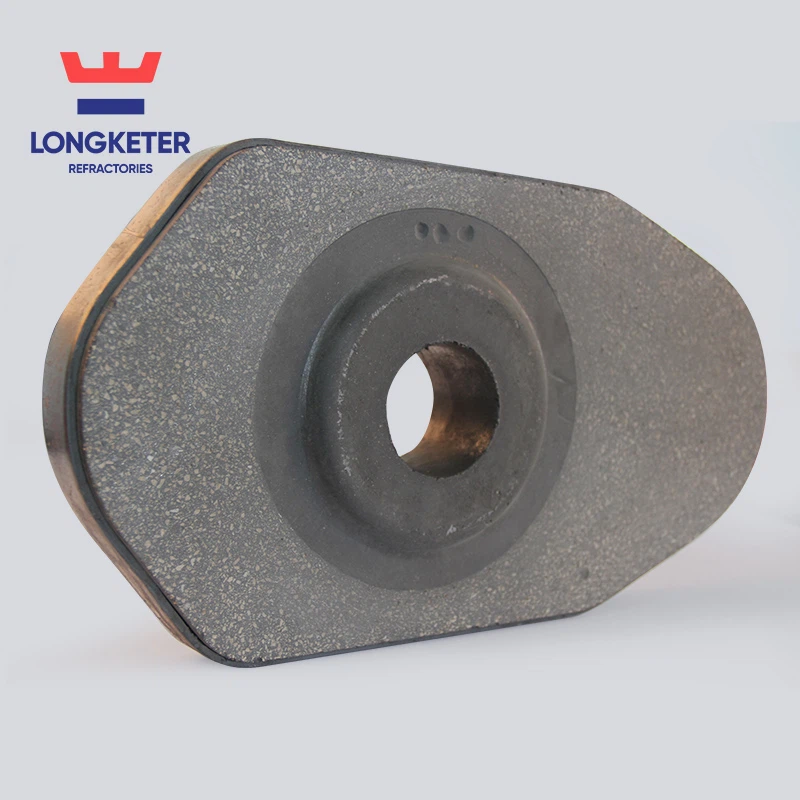
The precast block of castable only needs to be heat treated at a lower temperature. It is a low-carbon and green refractory and a unique technology in the refractory lining technology. It can improve the service performance of refractory lining, reduce the consumption of refractory materials, have stable quality and reliable performance. We know that the purpose of adding steel fiber to the castable is to improve the mechanical properties of the castable, inhibit the generation of cracks or limit the expansion of cracks when they form. The figure below shows the steel fiber castable. The steel fiber castable precast block is made by special process. Make a certain shape according to the process position and needs, and conduct heat treatment according to its working conditions after demoulding.