For industries like ceramics manufacturing and steel production, how well refractory materials perform under extreme heat isn't just a minor detail-it's a key factor for operational safety, energy efficiency, and product quality. Among the wide range of high-temperature insulation options, ceramic fiber insulation is a go-to choice for many engineers and procurement managers.
But just how well does this material stand up to extreme heat? Let's break down the science, performance data, and real-world uses that make it a leader in kiln refractory and industrial insulation.

The Science Behind Ceramic Fiber Insulation's High-Temperature Resistance
The secret behind ceramic fiber insulation's outstanding heat resistance lies in its unique makeup and structure. It's mainly made from high-purity alumina (Al₂O₃) and silica (SiO₂) - materials melted at extremely high temperatures (often over 2000℃) and then turned into fine, interlocking fibers using methods like blowing or spinning. This fibrous structure creates millions of tiny air pockets that trap heat, while the alumina-silica base naturally resists damage from high temperatures.
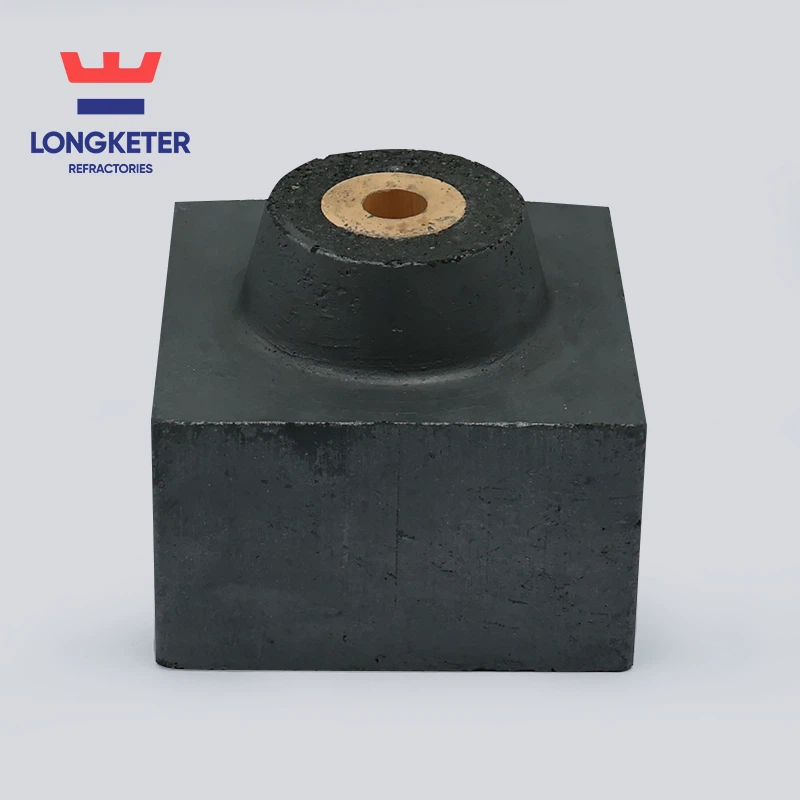
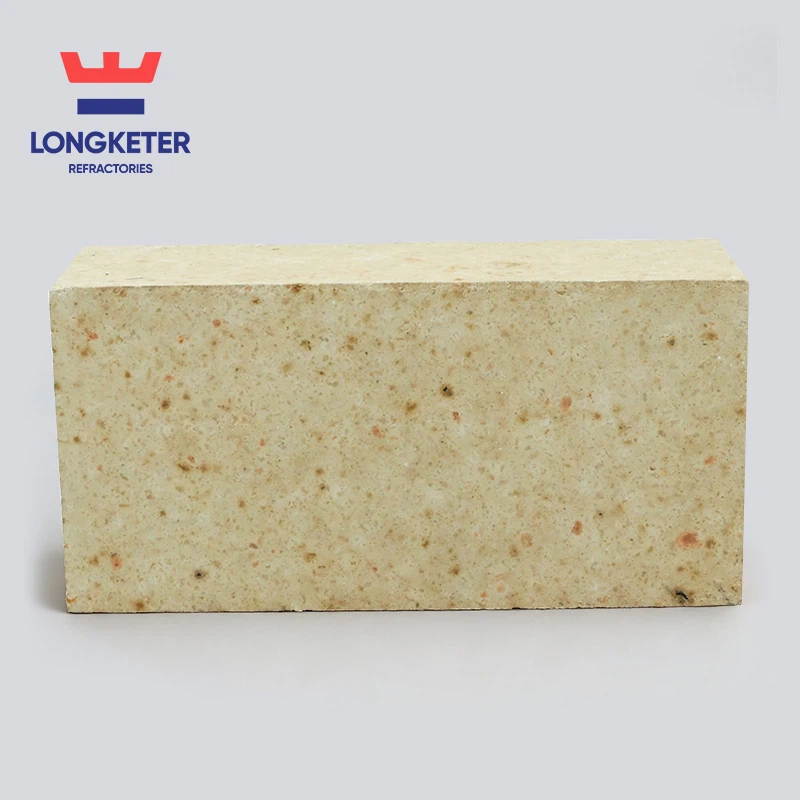
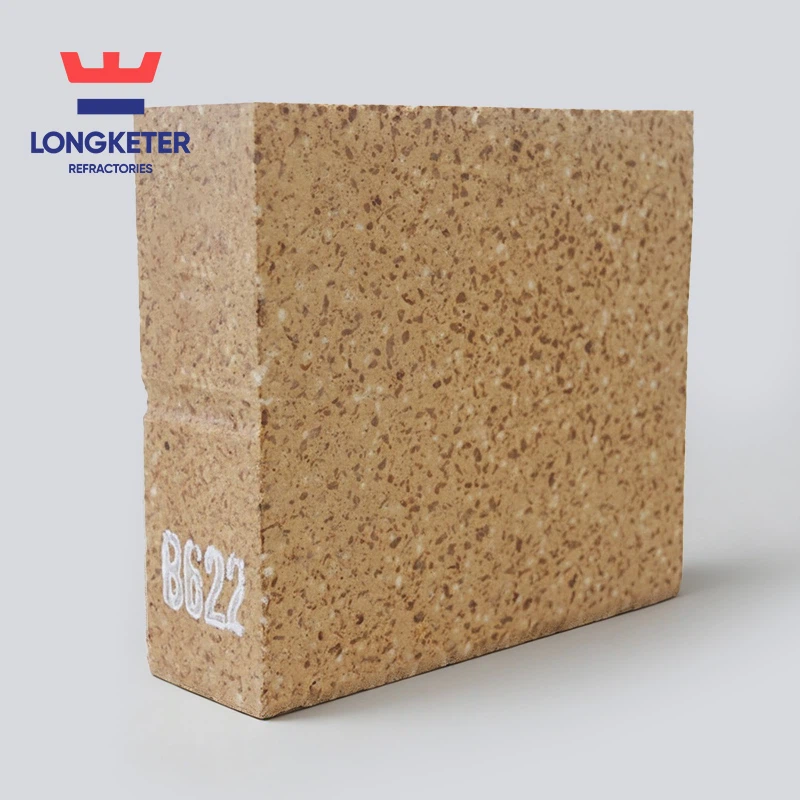
Unlike traditional refractory bricks that rely on density to block heat, ceramic fiber's lightweight, porous design has two big advantages: it cuts down on heat transfer via conduction and radiation, and it reduces the structural weight on industrial equipment like kilns and furnaces. What's more, high-quality ceramic fiber insulation has no organic binders, so it won't release gases or lose structural strength even when exposed to constant high temperatures.
Real-World Temperature Performance: Numbers That Matter
When evaluating refractory materials, "high-temperature resistance" isn't an empty claim - it's defined by measurable metrics like continuous use temperature and peak temperature tolerance. Ceramic fiber insulation performs exceptionally well across different grades:
- Standard grades (1260℃): The most commonly used type, perfect for industrial kilns and heat treatment ovens. These products stay stable when used continuously at temperatures up to 1260℃ and can handle short-term peaks of 1400℃. That makes them an ideal kiln refractory choice for ceramic and glass manufacturing.
- High-performance grades (1400℃–1649℃): For tougher environments - like aerospace component testing or advanced steel smelting - grades with higher alumina content (up to 72%) work continuously at 1400℃ to 1500℃. Some specialized versions even handle peak temperatures up to 1649℃. These grades often include additives like zirconia (ZrO₂) to boost thermal stability.
- Thermal shock resistance: Beyond steady-temperature performance, ceramic fiber insulation handles rapid temperature changes (from cold startup to 1000℃+ in hours) without cracking or peeling. This is crucial for equipment that heats up and cools down frequently, like batch-process kilns.
Ceramic Fiber Blanket: A Versatile Star in High-Temperature Applications
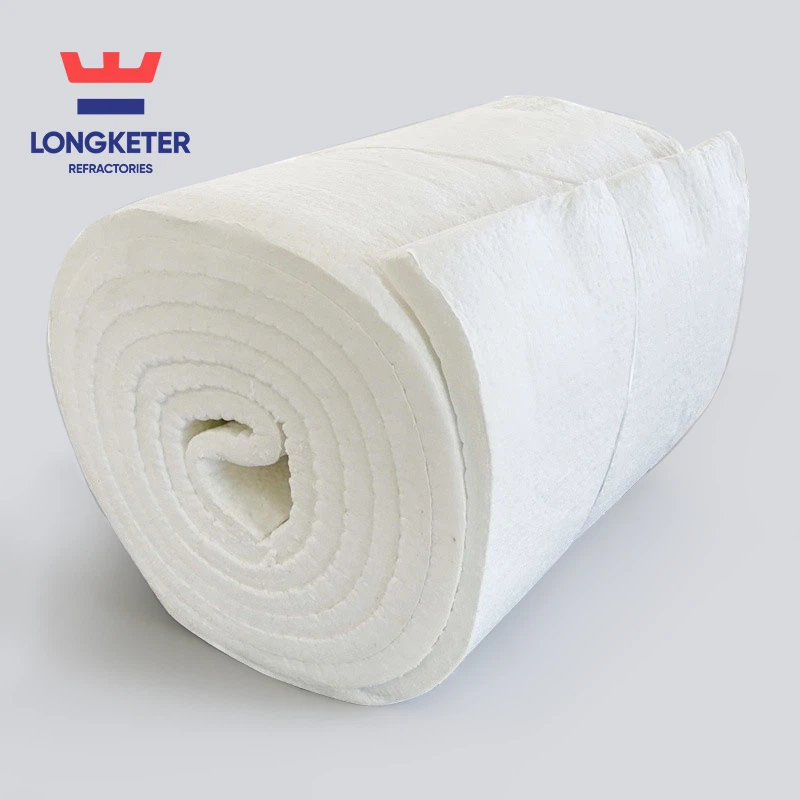
Among the different forms of ceramic fiber insulation, ceramic fiber blanket stands out for balancing performance and practicality. Made with double-sided needle punching, it has improved tensile strength and resists layer separation - which makes it easy to install on curved or irregular surfaces like kiln linings and furnace walls.
Key benefits of ceramic fiber blanket in high-temperature settings include:
- Low thermal conductivity: At 800℃, its thermal conductivity is as low as 0.16 W/mK - way lower than traditional refractory materials. That translates to 20–30% energy savings for industrial operations.
- Durability: It resists chemical corrosion (including acids and alkalis) and mechanical vibration, maintaining performance for 5–10 years in typical industrial environments - longer than many competing insulation options.
- Easy maintenance: Its flexibility allows for quick repairs or replacements, minimizing downtime for critical equipment like petrochemical reactors and steel furnaces.
Why Ceramic Fiber Insulation Outperforms Other Refractory Materials
When compared directly to traditional refractory materials (like fire bricks or rock wool), ceramic fiber insulation has clear advantages for high-temperature applications:
|
Performance Metric |
Ceramic Fiber Insulation |
Traditional Refractory Bricks |
Rock Wool |
|
Continuous Use Temperature |
950–1649℃ |
800–1200℃ |
Up to 600℃ |
|
Thermal Conductivity (800℃) |
0.16 W/mK |
0.3–0.5 W/mK |
0.25–0.3 W/mK |
|
Weight (Density) |
128–260 kg/m³ |
2000–3000 kg/m³ |
100–150 kg/m³ |
|
Thermal Shock Resistance |
Excellent |
Poor |
Moderate |
These differences are game-changing specifically for kiln refractory uses. A kiln lined with ceramic fiber insulation heats up faster, maintains more consistent temperatures, and uses less fuel than one lined with traditional bricks - all while cutting the kiln's structural weight by up to 80%.
Real-World Success: Ceramic Fiber Insulation in Action
Across industries, ceramic fiber insulation has proven its reliability in high-temperature environments:
- Ceramics manufacturing: A top ceramic tile maker replaced its fire brick kiln lining with ceramic fiber blanket. The result? 22% less energy use, heating time cut from 4 hours to just 1.5 hours, and a 15% drop in tile defects thanks to more consistent kiln temperatures.
- Steel production: A steel mill used high-grade ceramic fiber insulation in its heat treatment furnaces. This allowed continuous operation at 1400℃ and extended the furnace's lifespan to 5 years - up from just 2 years with traditional refractory materials.
- Petrochemicals: A refinery installed ceramic fiber insulation on its reactor walls. It withstood corrosive gases and 1200℃ temperatures for 8 years without needing replacement - doubling the service life of the previous insulation.
Choose the Right Ceramic Fiber Insulation for Your Needs
Not all ceramic fiber insulation is the same. To get the best high-temperature performance, keep these factors in mind:
1. Temperature range: Match the product grade to your equipment's continuous and peak operating temperatures.
2. Application type: Choose ceramic fiber blanket for flexible installs (like kiln linings) or rigid boards for structural insulation needs.
3. Certifications: Look for ISO or CE certifications to ensure compliance with industrial safety standards.