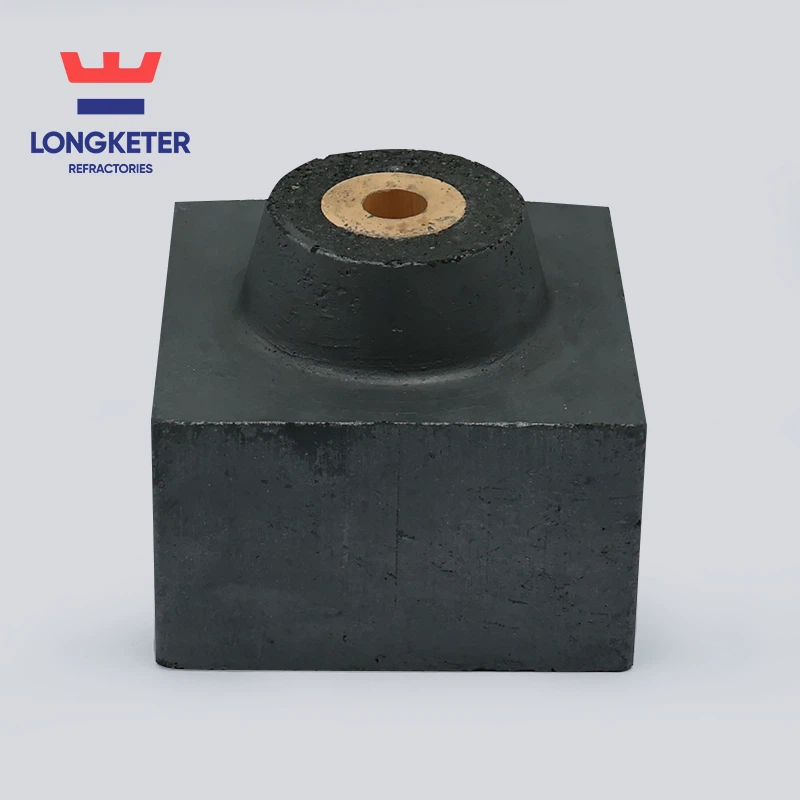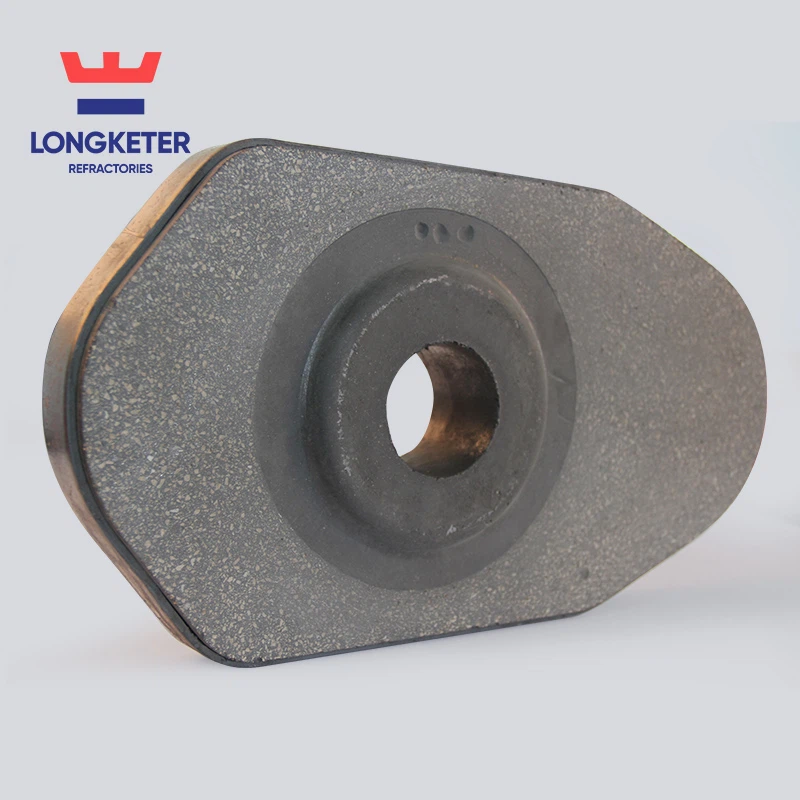
Ladle nozzles are important components that help control the flow of molten steel during the casting process.
1. Improved safety: Refractory ladle nozzles are designed to withstand high temperatures, which reduces the possibility of accidents caused by molten metal spillage.
2. Improve efficiency: the refractory material ladle nozzle cools the refractory material, which helps to extend the service life of the liner. This in turn reduces downtime and maintenance costs for the steel plant.
3. Better control: Refractory ladle nozzles allow for better control over the flow of molten steel, resulting in more precise casting and less waste.
Application of refractory upper nozzle and lower nozzle in steel plant
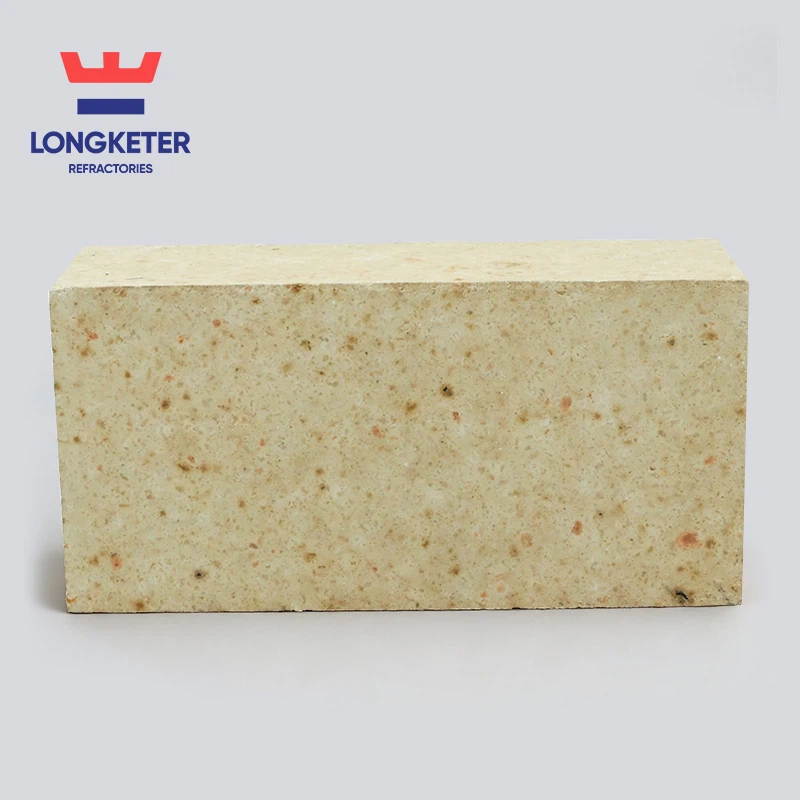
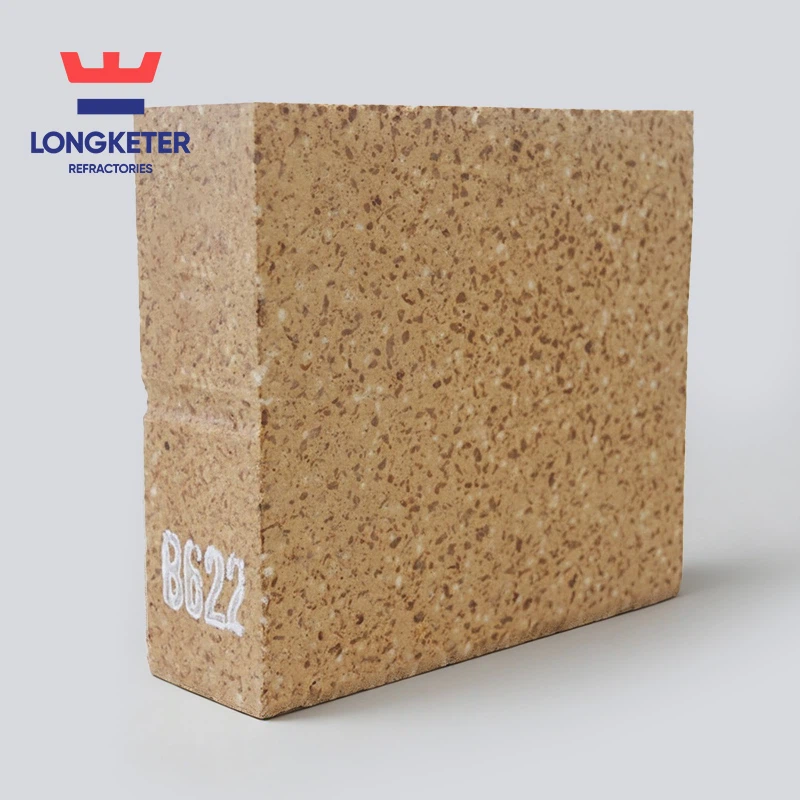
In addition to refractory ladle nozzles, another key refractory material used in steel mills is the upper and lower nozzles. These materials are used in blast furnaces, which are high-temperature furnaces used to produce pig iron.
There are several advantages to using refractory upper and lower nozzles in blast furnaces. These materials are designed to withstand extreme temperatures, which helps ensure efficient production of pig iron. Additionally, the use of these materials helps reduce maintenance costs and downtime associated with furnace repairs.
Detailed overview of refractory ladle nozzles
The refractory ladle nozzle consists of two main parts: the nozzle and the cooler. Nozzles are usually made of high-density alumina refractory materials designed to withstand the high temperatures of molten steel. Refractory materials are strong and durable and help ensure the efficient flow of molten steel during the casting process.
Refractory ladle nozzles come in a variety of sizes and shapes depending on the requirements of the steel mill. The most commonly used shapes are flared and tapered.
In conclusion
Refractory nozzles and slides play an important role in the steelmaking industry. These materials offer several advantages including enhanced safety, efficiency and better control of the flow of molten steel. The steelmaking industry relies heavily on refractory materials to ensure sustainable steel and efficient production.