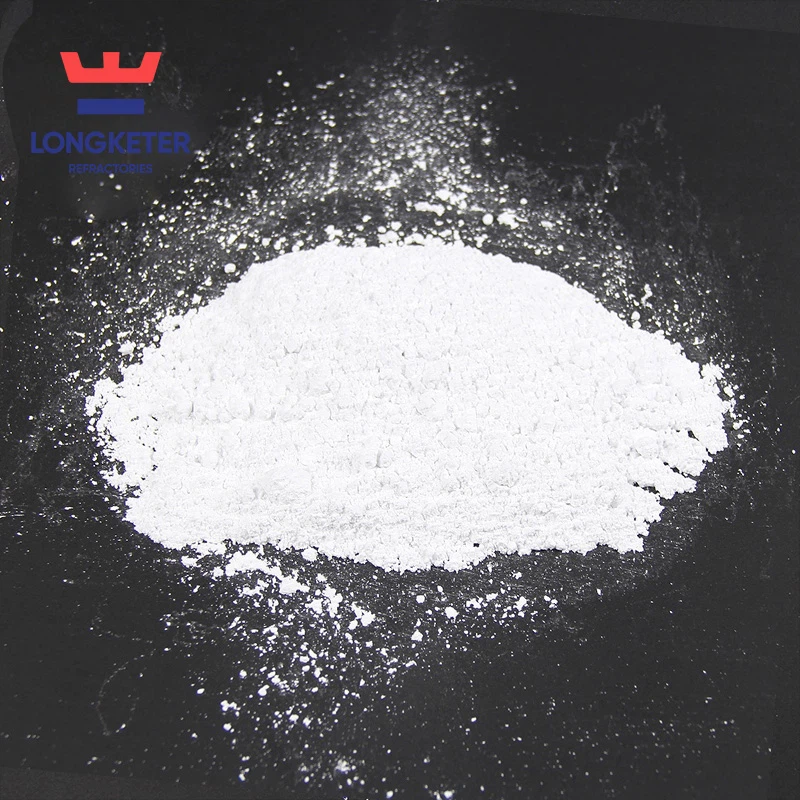
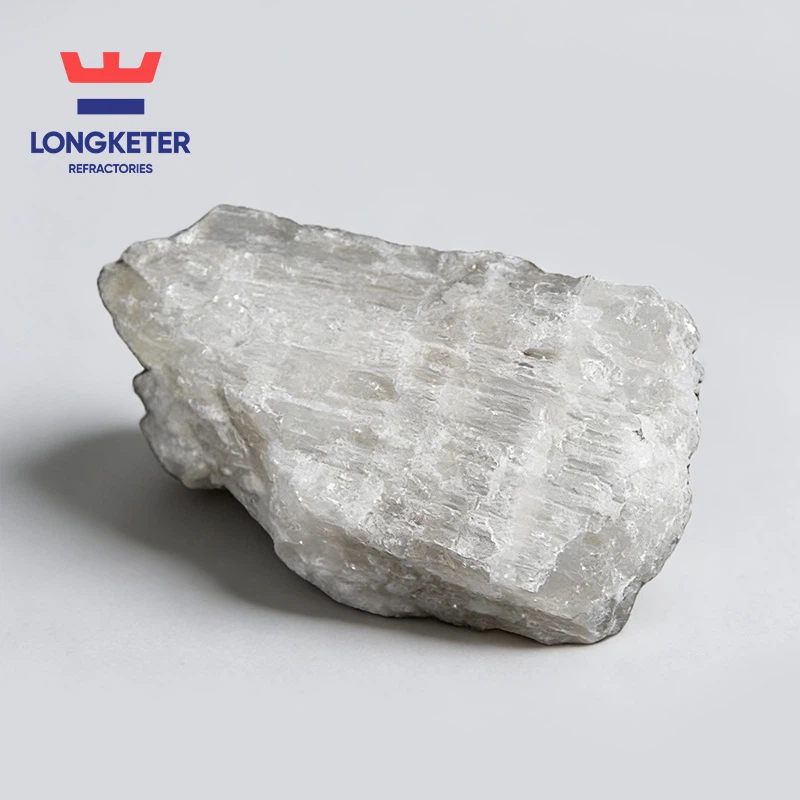

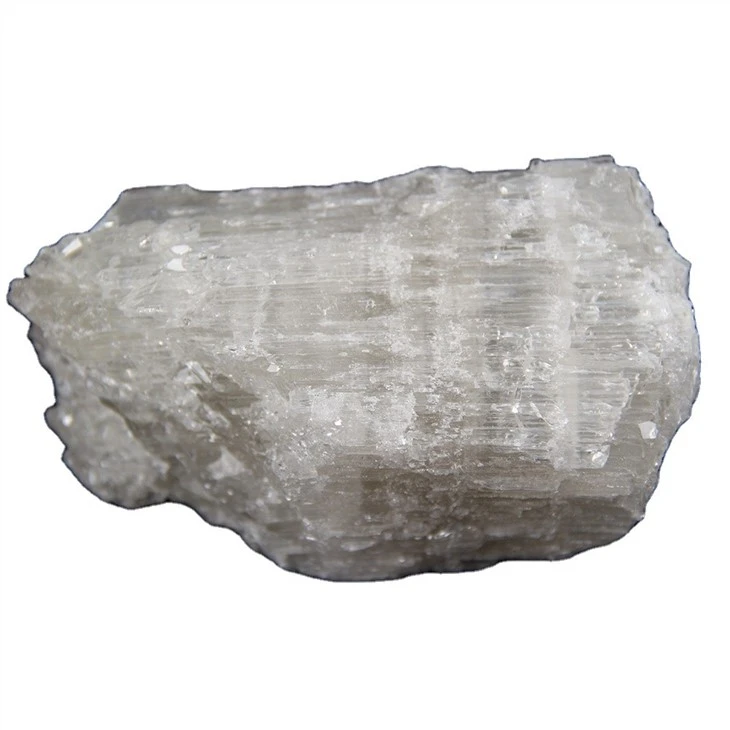

Magnesia is one of the raw materials for refractories. Also known as magnesia refractory raw materials, it refers to raw materials with MgO as the main component and periclase as the main crystal phase. Magnesia can be divided into two categories: sintered magnesia and fused magnesia. Today, a magnesia manufacturer will briefly summarize sintered magnesia and fused magnesia.
Sintered magnesia is a sintered block obtained by calcining natural magnesite ore MgCo3 at high temperature, and then crushed and screened. Or the magnesium oxide raw material obtained by fully sintering magnesium hydroxide made from seawater or brine at 1450-1900°C. Generally speaking, sintered magnesia refers to the product obtained by calcining magnesite as raw material. Because the sintering temperature of magnesite is high and the degree of sintering is good, sintered magnesia is also called dead-burned magnesia. Magnesium is different. It is the raw material for producing ordinary magnesia bricks and unshaped refractories.
Fused magnesia is a magnesia raw material formed by melting natural magnesite, light-burned magnesia powder or sintered magnesia in an electric arc furnace at a high temperature of 2750 degrees. Because of its strength, corrosion resistance and chemical inertness, it is better than sintered Magnesia. Periclase has large crystal grains, compact structure, good slag resistance, and excellent volume stability at high temperature. It is increasingly replacing sintered magnesia in magnesia and magnesia-carbon refractories. It is a good raw material for high-grade basic bricks, carbon-containing products and unshaped refractory materials.
When magnesite is calcined at 700-950°C, all the carbon dioxide will escape, and the resulting magnesia is soft, porous, loose and easy to agglomerate (also called caustic magnesia), which cannot be used for casting. The magnesia used for casting must be the so-called burnt magnesia that has been calcined at 1550-1600°C. After calcination at high temperature, the magnesia crystallizes to form periclase, the particles are dense and hard, and will not hydrate, so it will no longer Shrinkage occurs. Otherwise, when used as core sand, the castings are prone to pores, and when used as coatings, the coating is prone to cracks.


Hot Tags: Large crystal fused magnesite, China Large crystal fused magnesite manufacturers, suppliers, factory, brown fused alumina price, alumina ceramic powder, alumina powder price, activated alumina powder, white fused alumina uses, tabular alumina price