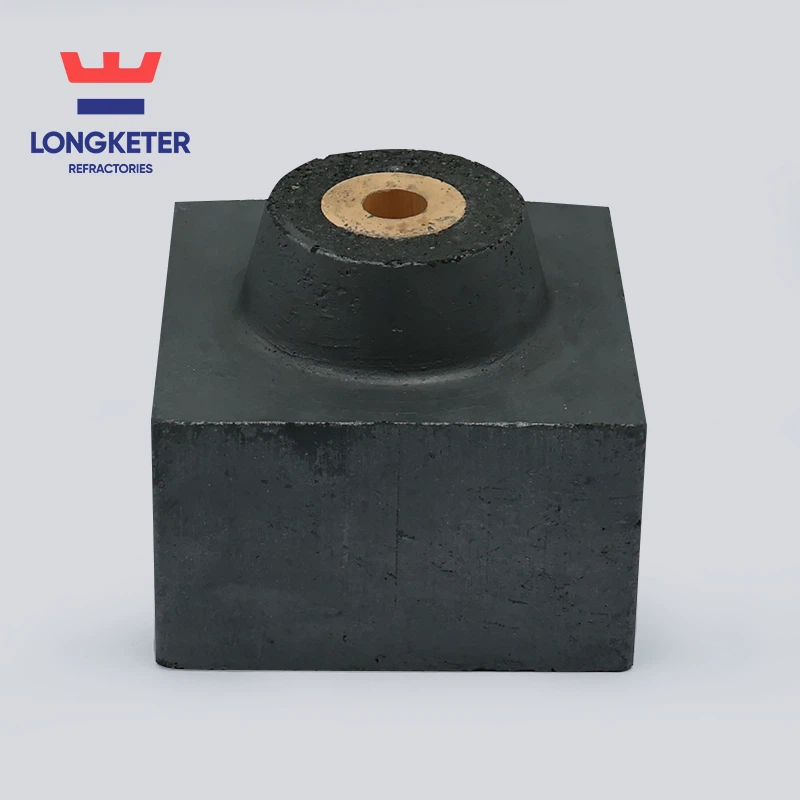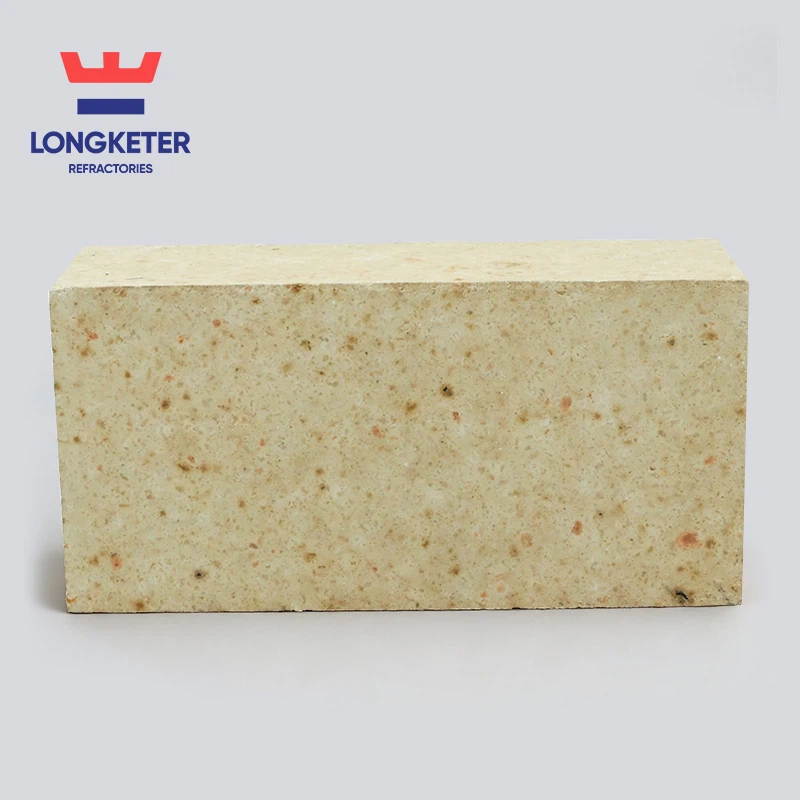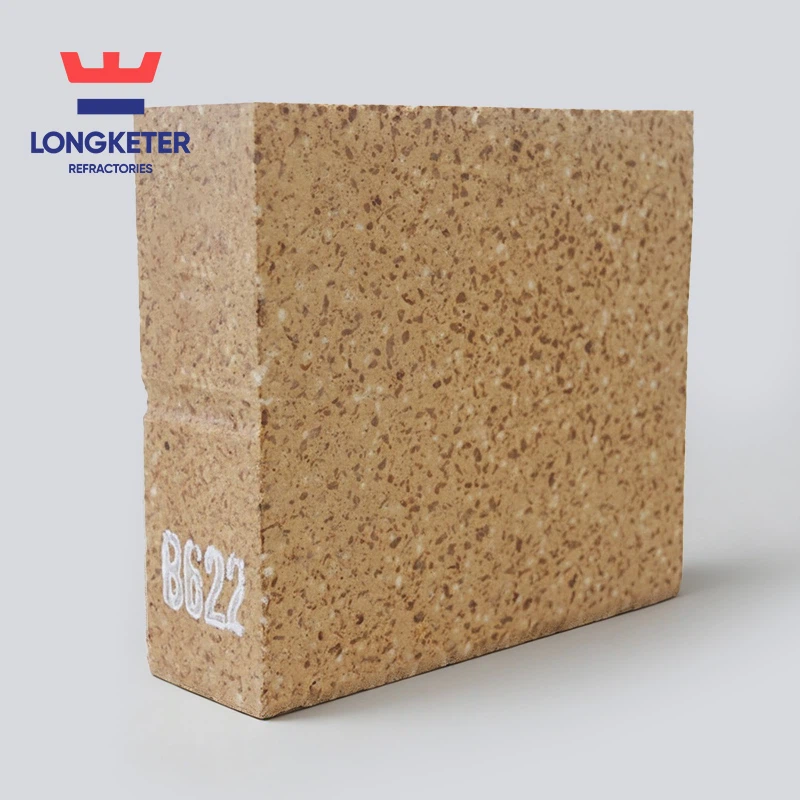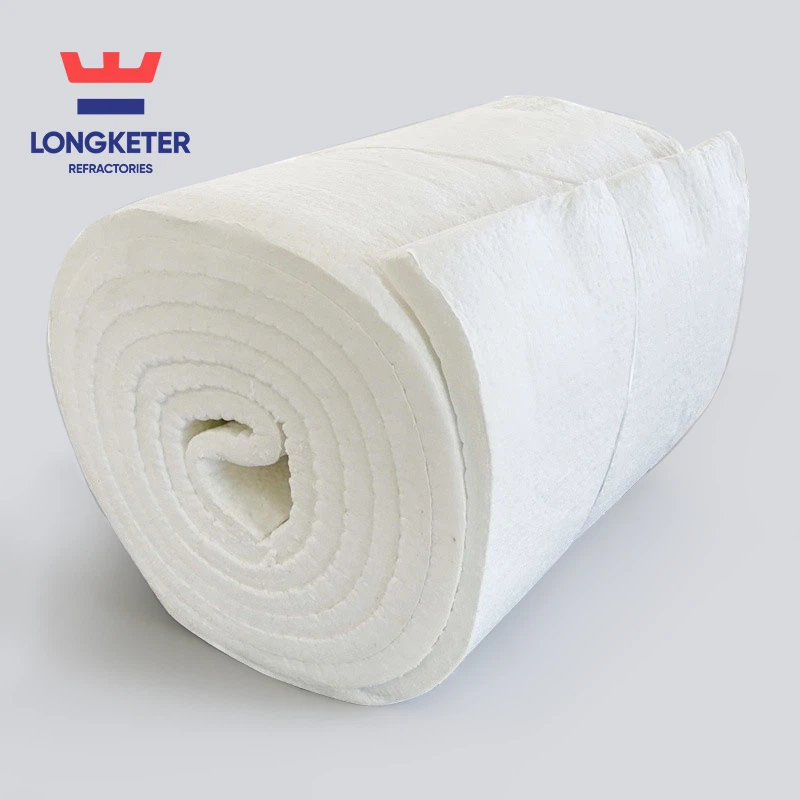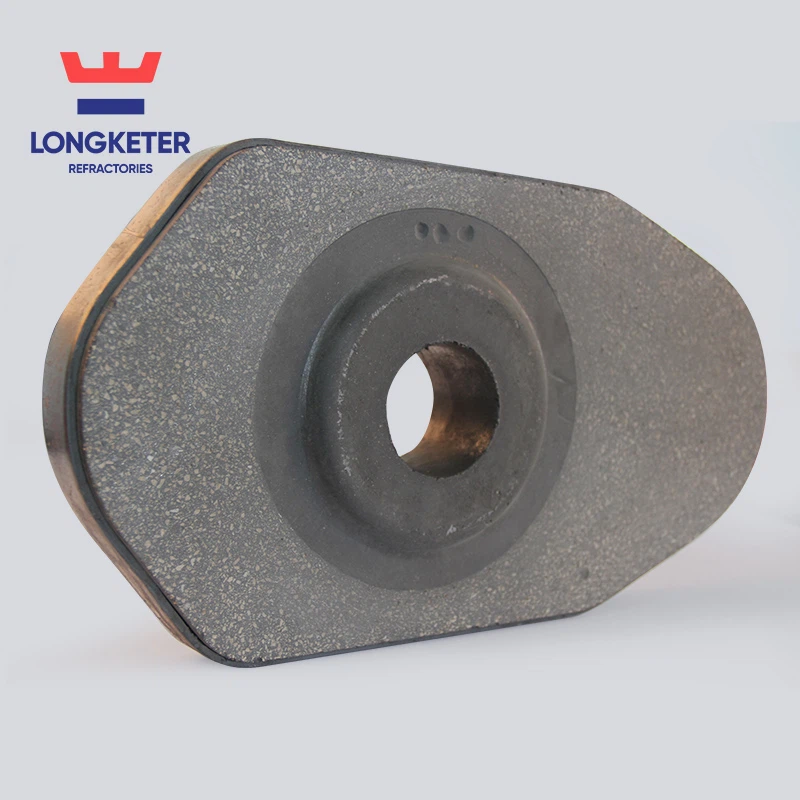
In high-temperature industrial processes-such as steelmaking, foundry operations, and thermal processing-slag erosion poses a persistent threat to refractory linings. Slag, a corrosive mixture of oxides, sulfides, and compounds generated as a byproduct, gradually degrades refractory bricks, leading to reduced kiln efficiency, skyrocketing maintenance costs, and even safety risks. For operators seeking a durable solution, Zibo Longketer New Materials Co., Ltd.'s SK34 clay firebricks emerge as a reliable choice, engineered to combat slag erosion effectively.
What Is Slag Erosion, and Why Does It Matter?
Slag forms during metal smelting and high-heat reactions, carrying aggressive chemical components that react with refractory materials on contact. Over time, this interaction erodes brick surfaces, creates cracks, and penetrates internal structures-compromising the lining's integrity. For industrial facilities, this means frequent kiln shutdowns for brick replacement, lost productivity, and elevated operational expenses. Addressing slag erosion is therefore critical to sustaining long-term, cost-effective operations.

SK34 Clay Firebricks: Composition-Driven Slag Resistance
As a high-alumina clay firebrick, the SK34 model from Zibo Longketer derives its anti-erosion performance from its core chemical makeup:
·High alumina content: Alumina (Al₂O₃), the primary component of SK34 bricks, boasts a high melting point and exceptional chemical stability. When exposed to hot slag, the alumina on the brick surface forms a protective barrier, blocking direct contact between slag and the brick's internal structure.
·Low reactivity with slag components: Unlike many refractory materials, SK34's alumina rarely reacts with common corrosive elements in slag (e.g., silica, calcium oxide, iron oxide), minimizing chemical degradation.
·Tailored additives: Microscopic additives in SK34 bricks enhance thermal shock resistance-a key factor in slag erosion prevention. Thermal stress often causes brick cracking, which acts as channels for slag penetration; improved thermal shock resistance maintains brick integrity, further limiting erosion.
Structural Benefits of SK34 Firebricks
Zibo Longketer's strict manufacturing processes ensure SK34 bricks have a dense, uniform structure:
·Dense texture: Fewer pores and gaps in the brick reduce pathways for slag infiltration, preventing internal corrosion that weakens the material over time.
·Uniformity: A consistent structure eliminates weak points that slag typically targets first, ensuring even resistance across the brick surface and extending its service life.
SK34 vs. Other Refractory Bricks
When compared to common alternatives, SK34 stands out in slag resistance:
·Premium clay bricks: These bricks have lower alumina content than SK34, failing to form a robust protective layer. Their looser, more porous structure also makes them prone to slag penetration.
·Ceramic refractory bricks: While ceramic bricks vary in performance, most are not optimized for slag resistance. SK34, by contrast, is specifically engineered for the harsh, slag-rich environments of high-temperature industries.
Real-World Performance & Why Choose Zibo Longketer
Industrial facilities worldwide have validated SK34's effectiveness: a large steel mill reported a 40% reduction in kiln downtime after switching to Zibo Longketer's SK34, boosting output and cutting costs.
Zibo Longketer ensures quality via top-tier raw materials, advanced manufacturing, and rigorous batch testing (covering alumina content, density, and anti-erosion performance). Our technical team also provides personalized support-from material selection to installation guidance.
For operators grappling with slag erosion, SK34 clay firebricks deliver durability and value. Contact Zibo Longketer today to discuss your refractory needs.